Twenty-one European Union countries now use the euro. Bulgaria became the newest on 1 January 2026, swapping the lev for the euro, so if you remember a list of nineteen, it's two countries behind.
This travel money guide to Europe covers which countries use the euro, which don't, and how to sort your foreign cash before you fly.
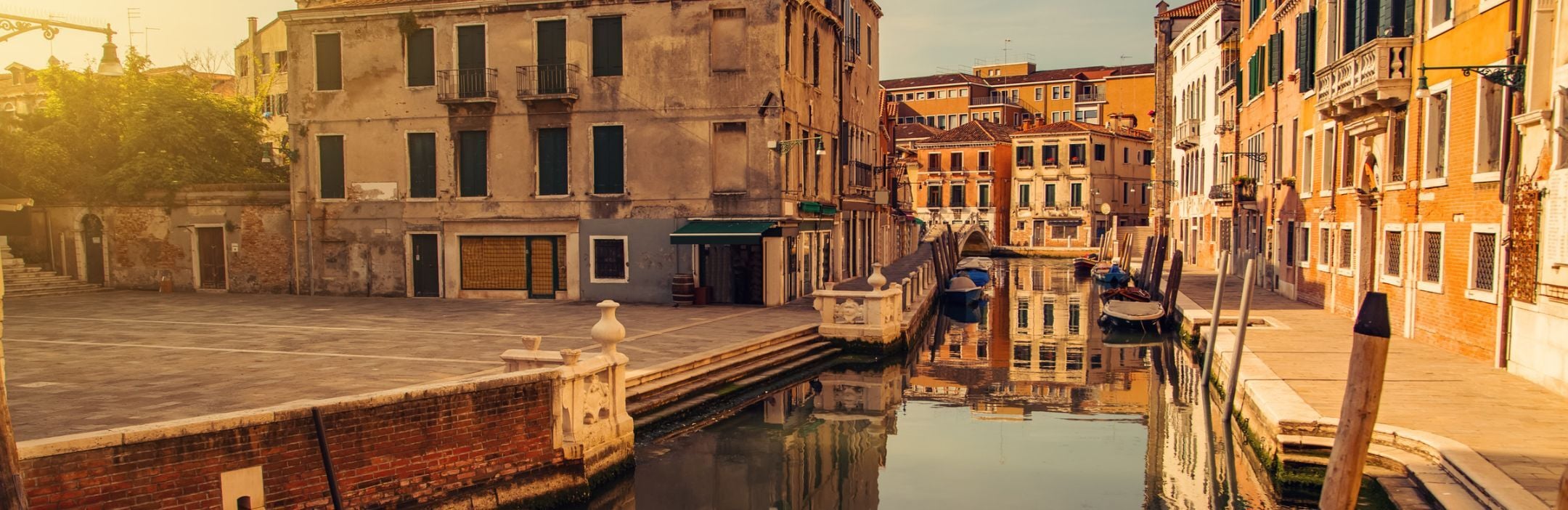
For most trips, that keeps things simple. One currency covers Paris, Rome, Lisbon, Athens, Vienna and Dubrovnik. But not every country on a typical European itinerary uses the euro, and a few you'd expect to don't.
Which countries use the euro?
These 21 EU countries use the euro (EUR): Austria, Belgium, Bulgaria, Croatia, Cyprus, Estonia, Finland, France, Germany, Greece, Ireland, Italy, Latvia, Lithuania, Luxembourg, Malta, the Netherlands, Portugal, Slovakia, Slovenia and Spain.
A handful of places outside the EU use it too. Andorra, Monaco, San Marino and Vatican City have formal agreements with the EU. Montenegro and Kosovo use it without one. Either way, it's euros in the wallet.
Which European countries don't use the euro?
Several other European currencies are still very much in use, and this is where multi-country trips catch people out. Six EU members have their own currency:
- Czech Republic: Czech koruna (CZK)
- Denmark: Danish krone (DKK)
- Hungary: Hungarian forint (HUF)
- Poland: Polish złoty (PLN)
- Romania: Romanian leu (RON)
- Sweden: Swedish krona (SEK)
Outside the EU, you'll need a different currency for the United Kingdom (pound sterling, GBP), Switzerland (Swiss franc, CHF), Norway (Norwegian krone, NOK), Iceland (Icelandic króna, ISK) and Türkiye (Turkish lira, TRY).
A week split between Vienna and Prague means two currencies. So does a Swiss rail trip that finishes on Lake Como. Plan for both before you leave.
Is cash still used in Europe?
Yes, though how much depends on where you are. Germany, Austria and Italy still lean on cash, particularly in cafés, bakeries, markets and smaller family-run places. Scandinavia sits at the other end, and plenty of Swedish shops no longer take notes at all.
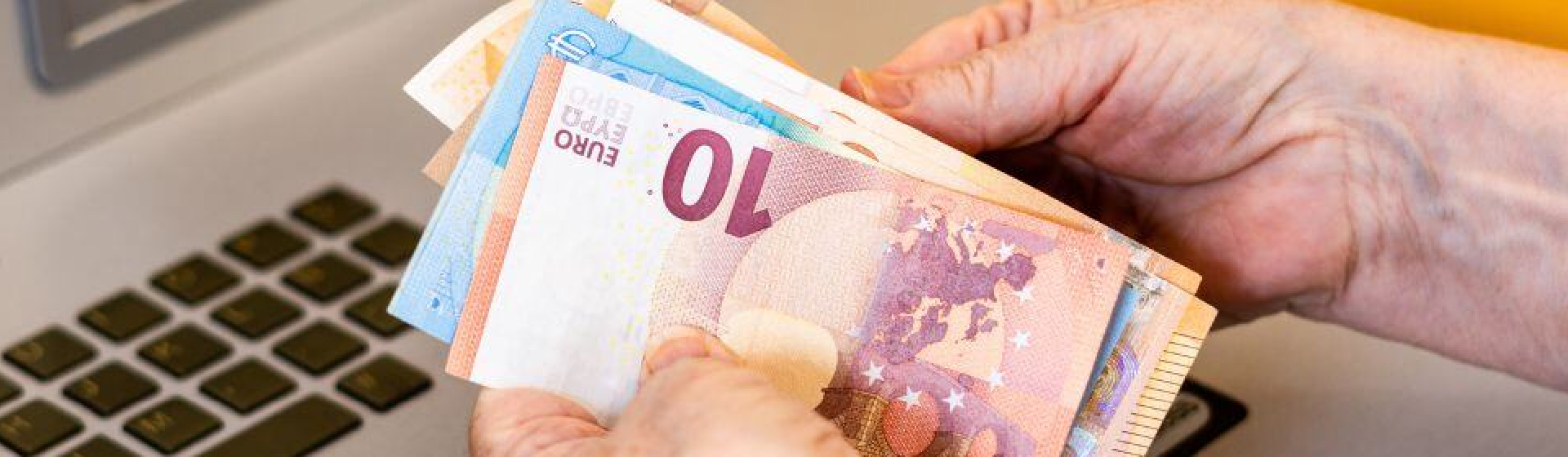
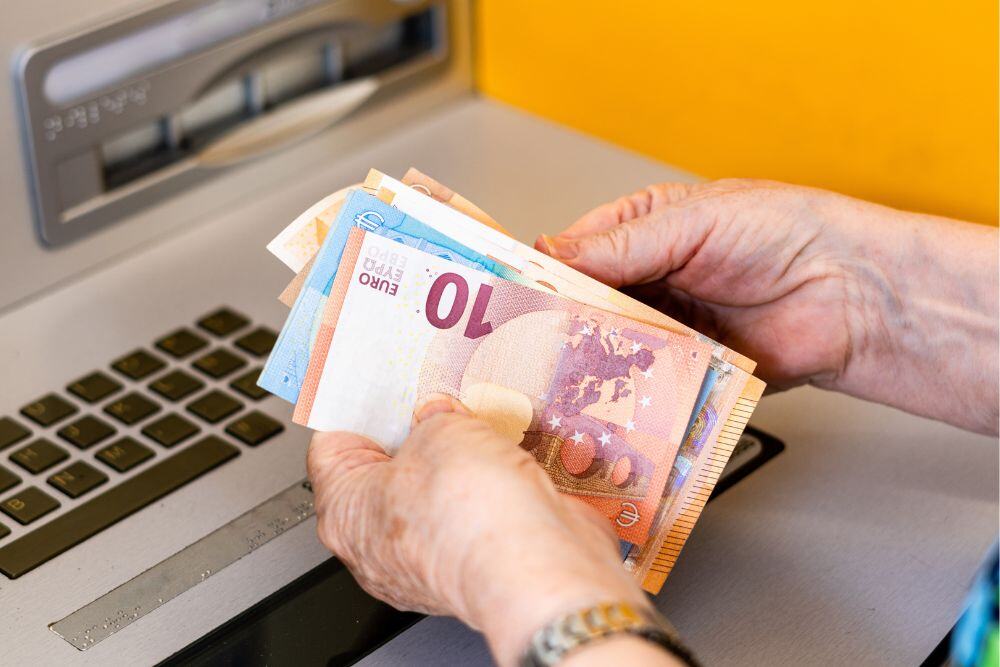
Cash keeps the small things moving. The espresso at the bar. The public toilet that wants 50 cents. The market stall. The taxi from a regional station. Landing with euros also means you're not hunting for an ATM after a long-haul flight.
Crown tip
Ask for smaller notes. A €200 note is perfectly legal, but try breaking one for a gelato in a Tuscan village. Fives, tens and twenties do the work. When you buy euros in Australia with us, we'll sort the mix in store. We also carry 60+ currencies same day, so the koruna or Swiss francs for the second half of the trip can be sorted at the same time.
Before you go
A few things to have sorted before the flight:
- Carrying AUD 10,000 or more (or the foreign currency equivalent) out of Australia? You need to declare it. The EU has a similar rule for €10,000 or more when entering or leaving the EU.
- Europe's Entry/Exit System (EES) is now fully operational, so expect your fingerprints and photo to be registered at the border.
- ETIAS, the EU's planned travel authorisation, isn't live yet and has no confirmed start date. Ignore any website offering to sell you one.
- Heading to the UK as well? Australians need an Electronic Travel Authorisation (ETA) before flying.
Bringing euros home
Leftover euros don't need to sit in a drawer. We buy them back with zero fees, just like when you bought them. Or hold onto them. Europe has a way of pulling people back.
Pick up your euros before you leave Australia.