Some of the best Christmas markets in Europe are in Nuremberg in Germany, Vienna in Austria and Prague in the Czech Republic. In 2026, most open in mid to late November and run until around Christmas, and not all of them use the euro.
Europe has been doing this for a long time. The market in Strasbourg, France dates back to 1570, and Nuremberg's to at least 1628. The formula hasn't needed much tweaking since: wooden stalls, a cathedral or town hall in the background, and a warm drink in a mug you can hand back for your deposit or take home.
When do Europe's Christmas markets open in 2026?
Most open between mid and late November. Vienna is one of the first, on 13 November. Advent, the four weeks before Christmas, starts on 29 November, and by the first weekend of December almost all of them are running. Prague, Copenhagen and Tallinn keep going into January 2027.
The best Christmas markets in Europe for 2026
Nuremberg, Germany: 27 November to 24 December
Nuremberg's Christkindlesmarkt is the one most people picture. It's opened at 5.30pm on 27 November by the Christkind, a Christmas angel played by a local young woman, and it closes at 2pm on Christmas Eve. Order the small grilled Nuremberg sausages, three to a bread roll, and a bag of Lebkuchen (spiced gingerbread) for the flight home. Currency: euro.
Vienna, Austria: 13 November to 26 December
Vienna doesn't have a Christmas market. It has around 20. The biggest, the Wiener Christkindlmarkt, fills the square in front of City Hall (Rathausplatz). Warm up with a cup of Punsch, a hot fruit punch often with a splash of rum, and a bag of roasted chestnuts. Currency: euro.
Strasbourg, France: late November to Christmas Eve
Strasbourg calls itself the Capital of Christmas, and its Christkindelsmärik spreads right across the old town. The city hasn't confirmed its 2026 dates yet. Last year it ran from 26 November to 24 December. Try vin chaud (French mulled wine) and bredele, small Christmas biscuits from the Alsace region. Currency: euro.
Cologne, Germany: mid-November to 23 December
Cologne runs several markets at once, with the biggest beneath the cathedral. Market-hopping is half the point. The cathedral market closes on 23 December, so don't leave it to Christmas Eve. Currency: euro.
Prague, Czech Republic: 28 November to 6 January 2027
Prague's Old Town Square market, with the astronomical clock and Týn Church behind it, is one of the most photographed in Europe, and it runs well into the new year. Order svařák, Czech mulled wine. Currency: Czech koruna (CZK).
Budapest, Hungary: from mid-November
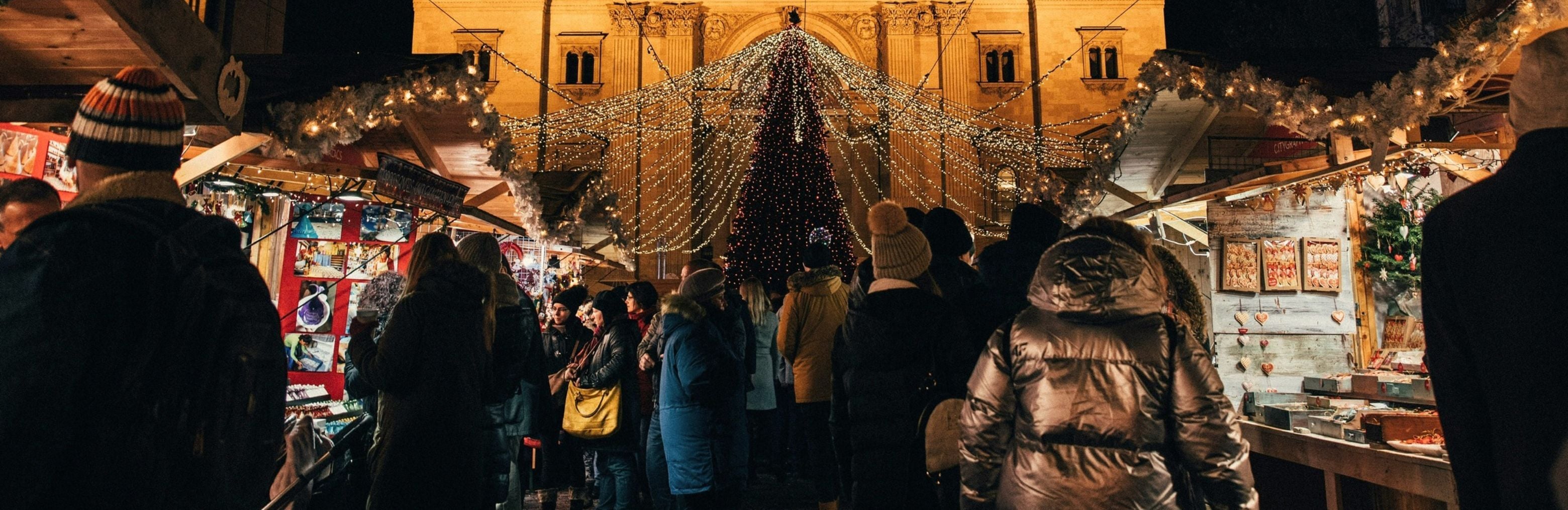
Budapest's main markets are in Vörösmarty Square and outside St Stephen's Basilica. Look for kürtőskalács, a sweet chimney cake baked on a spit. Currency: Hungarian forint (HUF).
Copenhagen, Denmark: mid-November to early January
Tivoli Gardens, the city's old amusement park, turns into a winter village of lights and stalls. Pair it with æbleskiver, small round pancakes dusted with sugar. Currency: Danish krone (DKK).
Tallinn, Estonia: until 6 January 2027
Tallinn's medieval Town Hall Square is often under snow, and its market is one of the most atmospheric in the Baltic states. Currency: euro.
Do European Christmas markets take card or cash only?
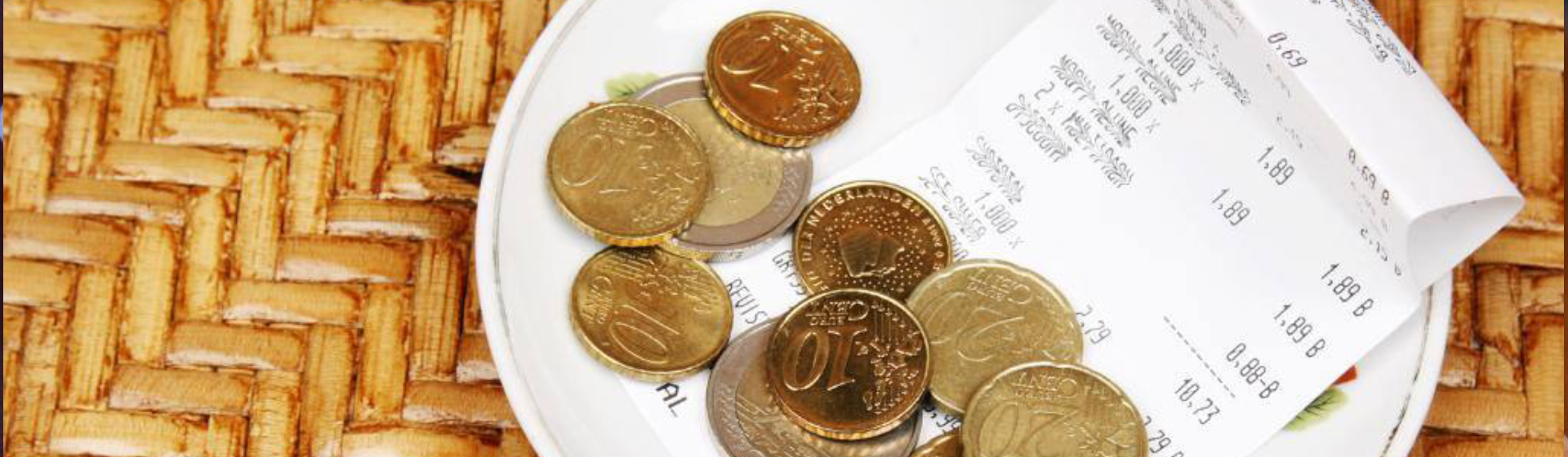
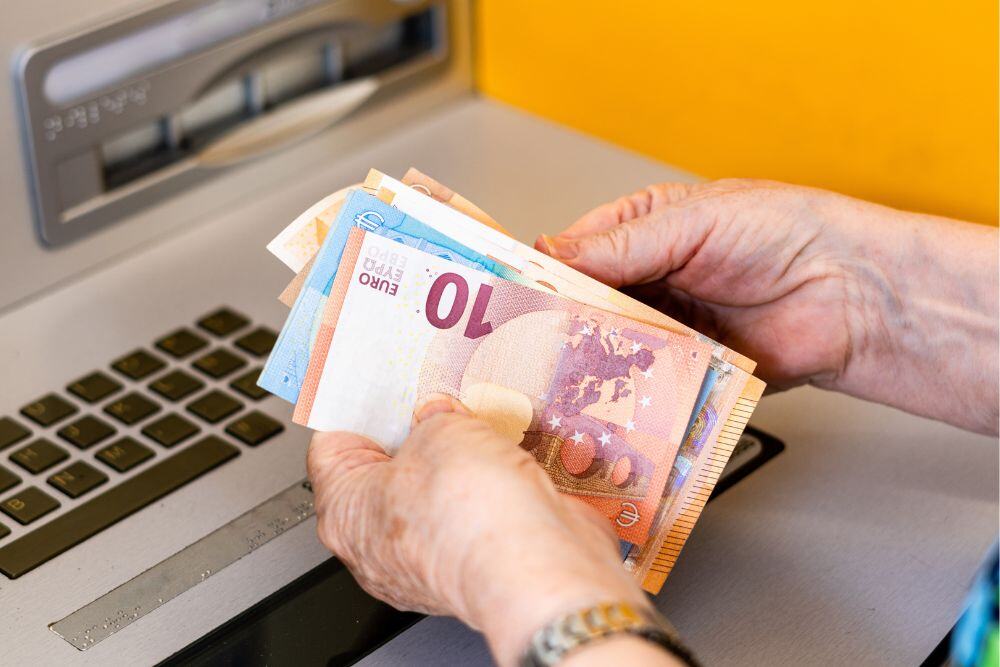
Some may take cards, but not all. Plenty of smaller stalls are still cash only. Cash is also quicker when there's a queue for mulled wine and a crowd behind you.
Most German and Austrian markets also charge a deposit on your mug. Hand the mug back and you get the deposit back. Keep it and it's the cheapest souvenir you'll buy.
Which Christmas market countries don't use the euro?
Of the markets above, Prague, Budapest and Copenhagen don't use the euro:
- Czech Republic: Czech koruna (CZK)
- Hungary: Hungarian forint (HUF)
- Denmark: Danish krone (DKK)
Germany, Austria, France and Estonia all use the euro. Adding Switzerland or the UK to the trip? They use the Swiss franc (CHF) and the British pound (GBP).
So a trip to Vienna and Prague means two currencies: euros and Czech koruna. Our Europe guide lists all the countries that accept the euro, so you can plan your Europe currency mix before you go.
What is the prettiest Christmas market in Europe?
Strasbourg, Prague and Colmar are the usual favourites. Strasbourg wins on scale and tradition. Prague's Old Town Square is one of the most photographed. Colmar, a small French town with canals and half-timbered houses, picks up plenty of votes too.
Crown tip: visiting more than one country? Buy all your currencies in Australia in one visit. We carry 60+ currencies same day in store, including euros, Czech koruna, Hungarian forint and Danish krone.
Pick up your euros before you leave Australia today.