
Most popular
Japanese yenJPYUS dollarsUSDEurosEURIndonesian rupiahIDRThai bahtTHBVietnamese dongVNDBritish poundsGBPNew Zealand dollarsNZDAsia Pacific
Chinese yuanCNYFijian dollarsFJDHong Kong dollarsHKDIndian rupeesINRSouth Korean wonKRWMalaysian ringgitMYRPhilippine pesosPHPSingapore dollarsSGDNew Taiwan dollarsTWDPNG kinaPGKVanuatu vatuVUVEurope
Swiss francsCHFCzech korunaCZKDanish kroneDKKHungarian forintHUFIcelandic kronaISKNorwegian kroneNOKPolish zlotyPLNSwedish kronaSEKTurkish liraTRYAmericas, Middle East, Africa
UAE dirhamAEDCanadian dollarsCADMexican pesosMXNSouth African randZAREgyptian poundsEGPMoroccan dirhamMADQatari riyalQARBrazilian realBRLChilean pesosCLPAll 60+ currencies
Tell us about your trip. Your nearest store will call with a personalised quote during store hours.
Get a QuoteRates move throughout the day, so we call to give you the most up-to-date rate, not one that's already old.
Asia
CambodiaKHRChinaCNYHong KongHKDIndiaINRIndonesiaIDRJapanJPYMalaysiaMYRPakistanPKRPhilippinesPHPSingaporeSGDSouth KoreaKRWSri LankaLKRThailandTHBVietnamVNDEurope
AustriaEURCroatiaEURCzech RepublicCZKFranceEURGermanyEURGreeceEURIrelandEURItalyEURNetherlandsEURPortugalEURSpainEURSwitzerlandCHFUnited KingdomGBP All of EuropeAmericas
ArgentinaARSBrazilBRLCanadaCADChileCLPColombiaCOPJamaicaJMDMexicoMXNPeruPENUnited StatesUSD South AmericaAfrica
EgyptEGPMoroccoMADSouth AfricaZAREach guide tells you what cash to carry, how much, and where cards fall short.
All Destination Guides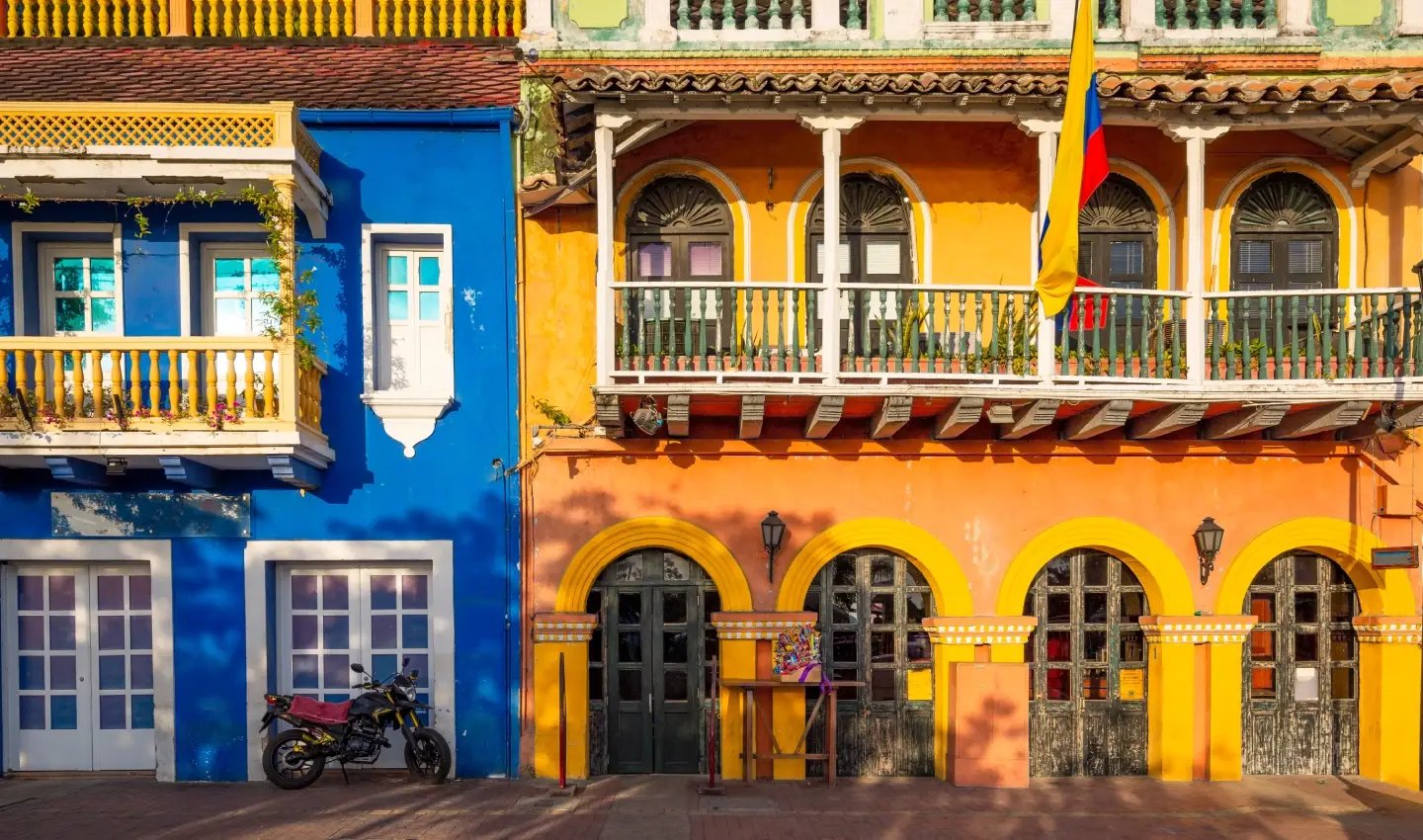
Colombia Currency Guide
Open your wallet in Colombia and you might feel like a millionaire. A COP$100,000 note looks enormous, but it’s only worth around AUD$40, and locals just call it cien lucas rather than reading out all those zeros. Beyond the currency quirks, Colombia has become one of South America’s most talked-about destinations for Australian travellers, from Cartagena’s colourful walled Old Town to Medellín’s cable cars and misty coffee farms.
Taking Travel Money to Argentina
If you’re heading to Colombia, sort your Aussie dollars into Colombian pesos (COP) before you leave home. It’s easier to lock in a fair rate and the right mix of notes with Crown Currency Exchange in Australia than hunting for pesos once you land. Read more in our AUD to COP currency exchange guide.
Should I exchange AUD to Colombian peso before leaving Australia?
Yes, exchanging Colombian pesos at airports or hotels usually means a worse rate and hidden costs. Sorting your COP with Crown Currency Exchange before you fly means no commission, no fees, and the right mix of notes for taxis, markets and everyday spending, ready for you when you land.
Is Colombia a cash or card country?
A bit of both. Cards are widely accepted in Bogotá, Medellín and Cartagena hotels, malls and bigger restaurants, but cash still runs the show at local markets, street food stalls, small tiendas and public transport. Carry pesos for the everyday stuff and save the card for bigger purchases.
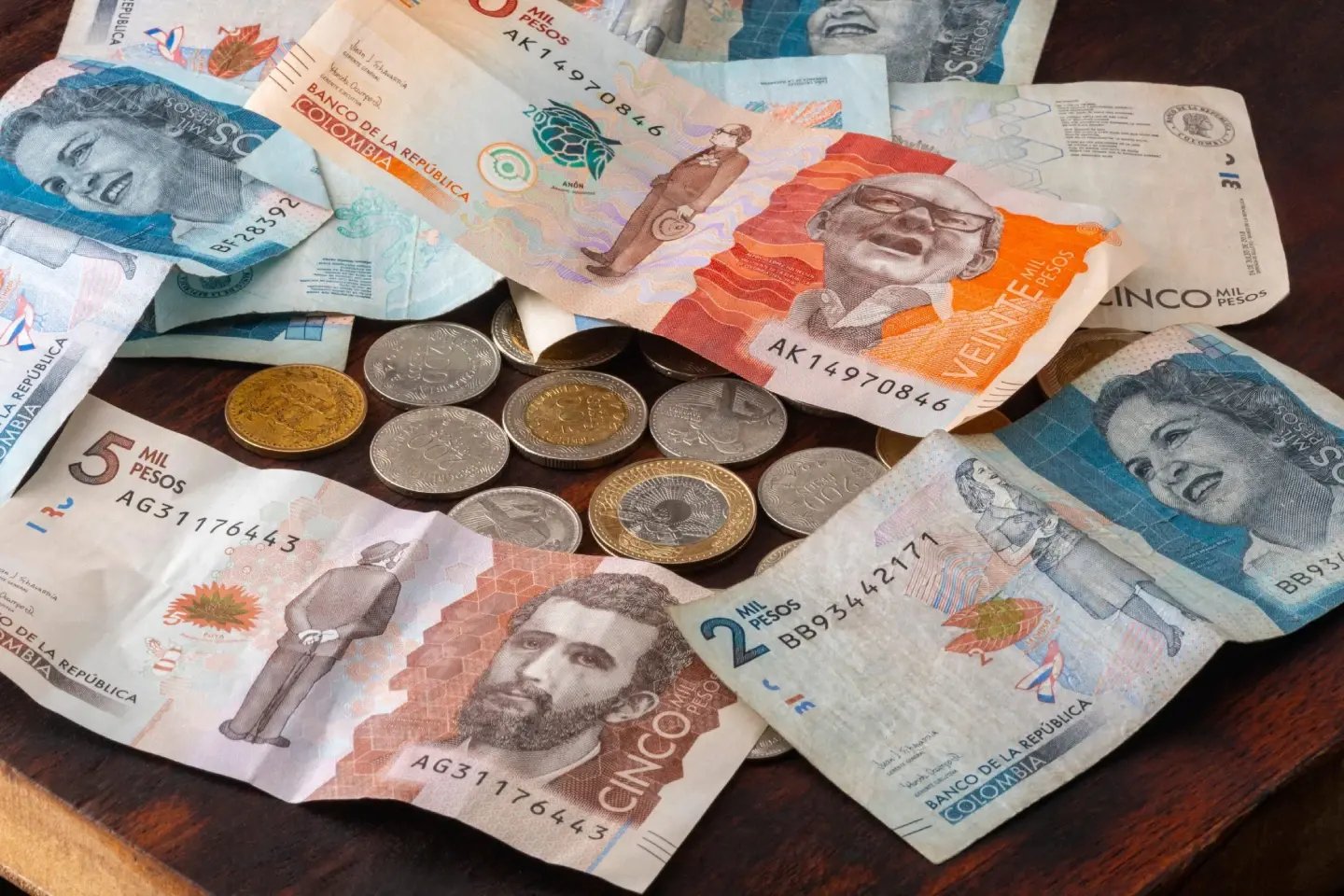
Why do Colombian peso notes have so many zeros?
Colombia has never dropped the zeros from its currency the way some neighbouring countries have, so your morning coffee might cost 6,000 pesos and dinner 80,000. Locals get around it by counting in lucas, so a 6,000 peso coffee is seis lucas rather than six thousand pesos. Give yourself a day to get used to the notes and it clicks fast.
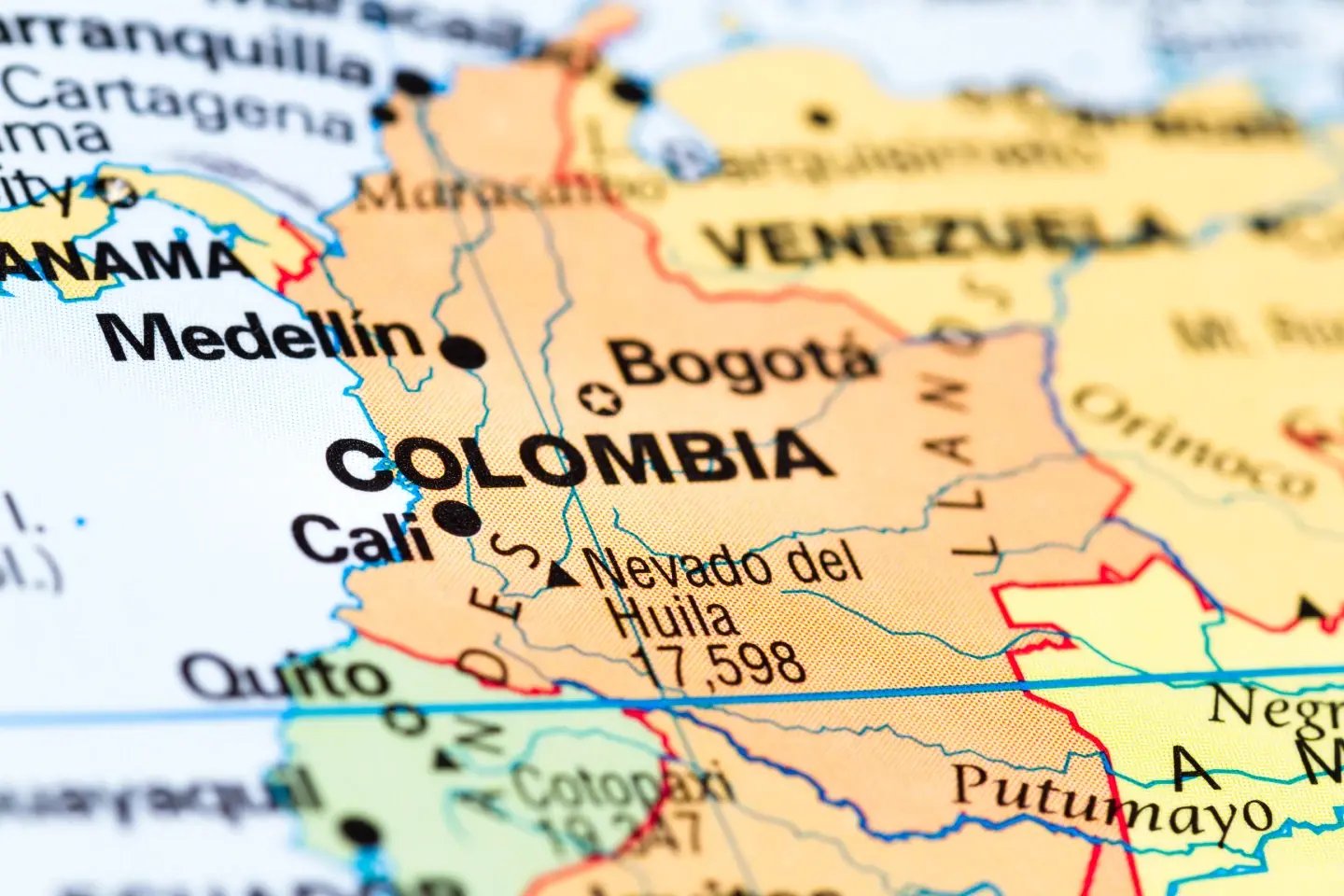
Is the Colombian peso the same as other South American pesos?
Budget
Nope, they just share a name. Only Argentina, Chile, Colombia and Uruguay use pesos in South America, while Brazil, Peru and Bolivia all have their own currency names entirely. The name goes back to old Spanish colonial coinage, which is why Mexico and even the Philippines also ended up with a peso. Every country's peso today is its own separate currency, own central bank, own value, with no relationship to any other peso.

Are ATMs safe to use in Colombia?
Generally yes, especially inside banks, shopping centres and malls. Stick to daylight hours, avoid standalone street machines, and always decline the “pay in your home currency” prompt. It's a poor exchange rate wearing a friendly face. We’d recommend arriving with some pesos already sorted through Crown Currency Exchange, which also means you're not relying on a machine the moment you land.
How much cash should I budget per day in Colombia?
It depends on your travel style, but a mid-range budget sits around COP$250,000 to $450,000 per day (roughly AUD$100 to $180), covering a comfortable hotel, meals out and the odd taxi. Backpackers can get by on less, and a more indulgent trip will run higher. For a number based on your actual dates, group size and travel style, run it through the HolidAi Budget Planner before you go.
When is the best time to visit Colombia?
No real bad time, but December to March is the easiest window for dry weather across most of the country, with a shorter dry stretch in July and August too. The Caribbean coast stays dry even longer, into April. Temperature barely shifts year-round since Colombia sits near the equator, so it's more about matching the month to the region than picking one perfect time for the whole trip.
A Few Safety Tips From Us
- Stick to ATMs inside banks or malls rather than the standalone ones on the street, and when it asks if you want to be charged in AUD instead of pesos, say no. That's dynamic currency conversion, and it's just a worse rate.
- Grab an Uber or Cabify instead of flagging a cab down. You'll see the fare and driver details upfront, which cuts out any haggling and means there's a record of exactly who you're with and where you're headed.
- Ask the front desk, or whoever you're staying with, which streets or areas to avoid after dark, and which ones are totally fine. Two minutes of chatting with a local beats guessing from a map, since plenty of places feel completely normal in daylight and change once the sun goes down.
- Leave the flashy watch or jewellery in the hotel room, or at least keep it tucked away when you're out. It's less about worst-case thinking and more that a phone or watch is just an easy thing to notice and pinch, so a bit of low-key goes a long way.
- Keep an eye on your drink at bars, and if you're meeting new people (especially from a dating app), make that first meet a public spot.
Must-Do's in Colombia
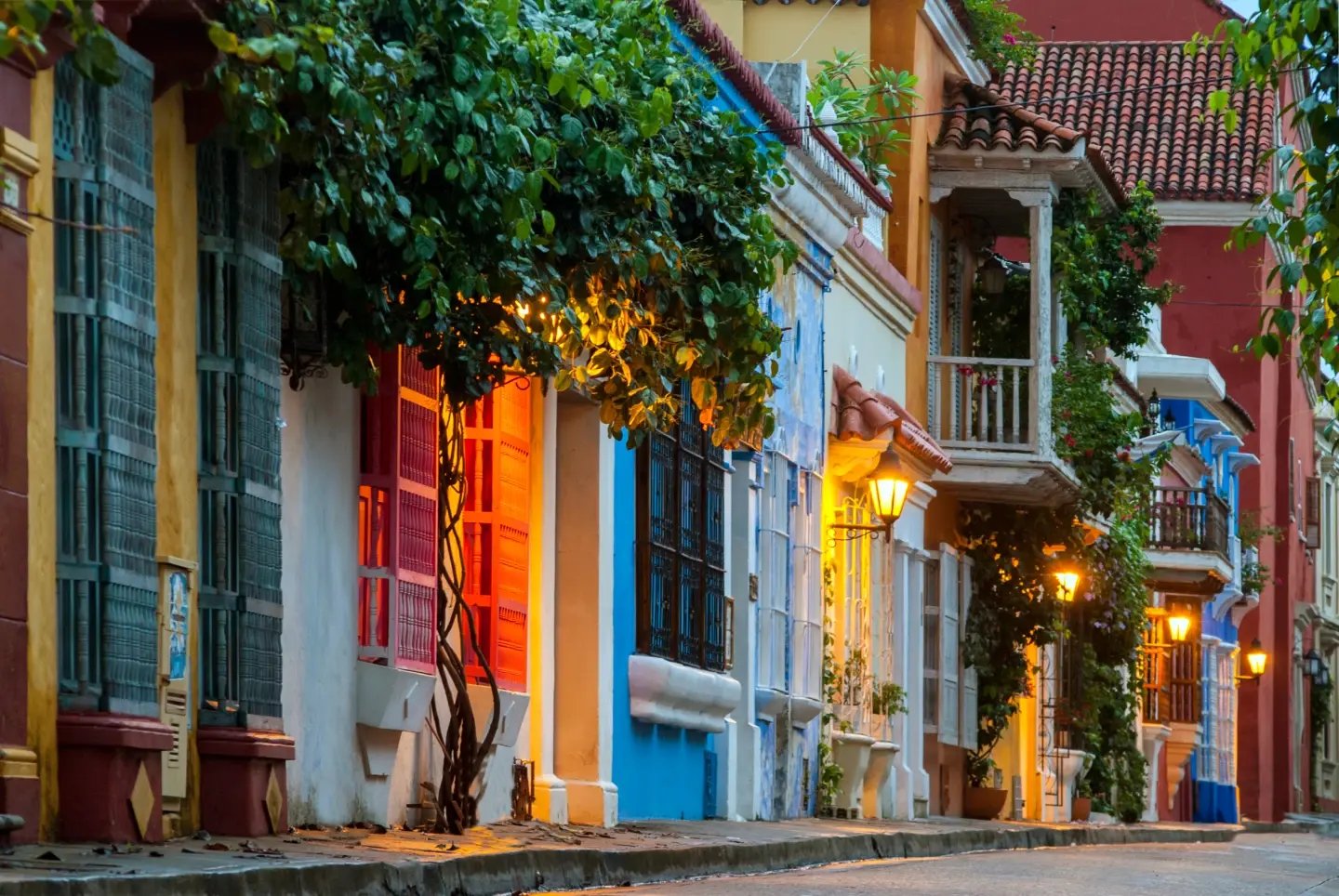 1
Wander Cartagena’s walled Old Town
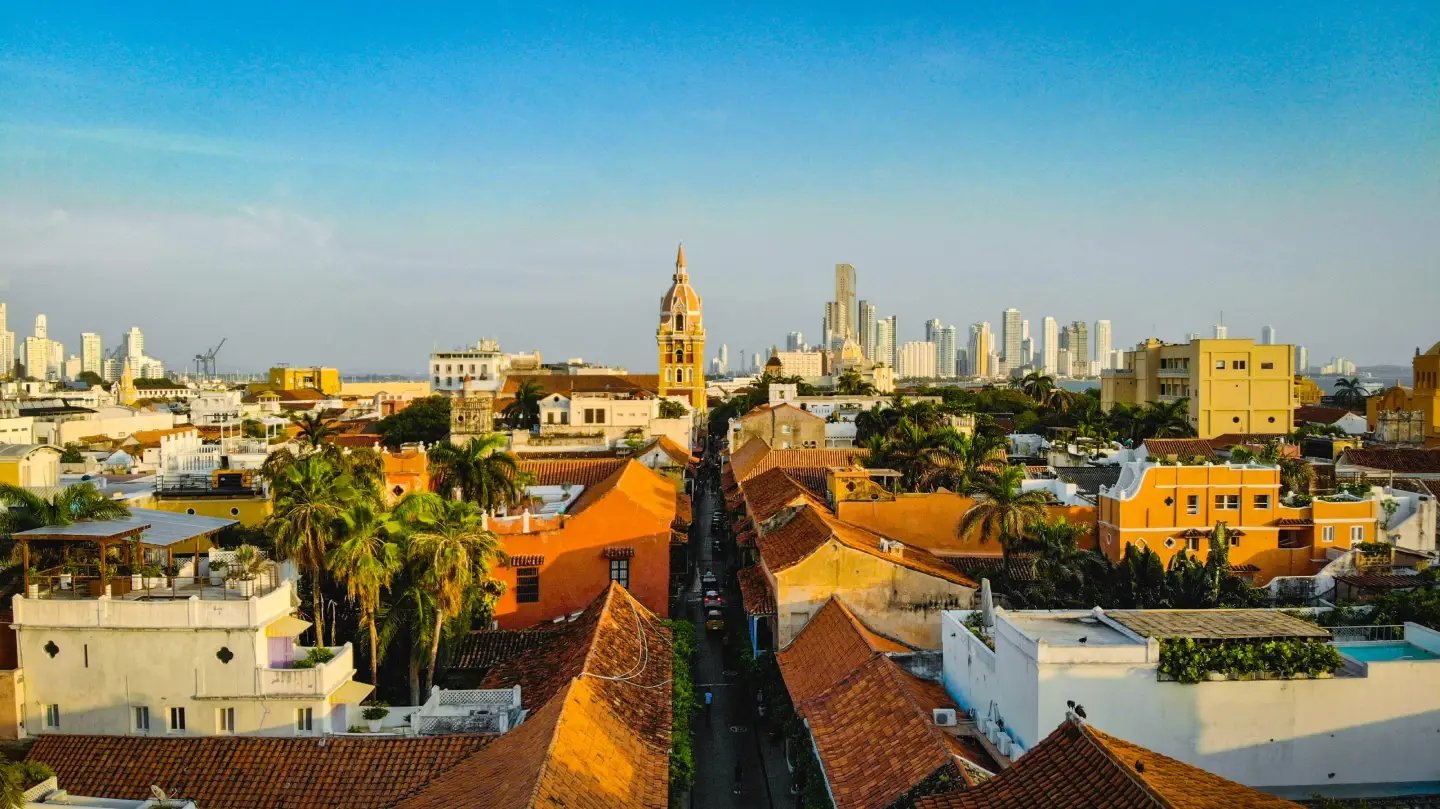
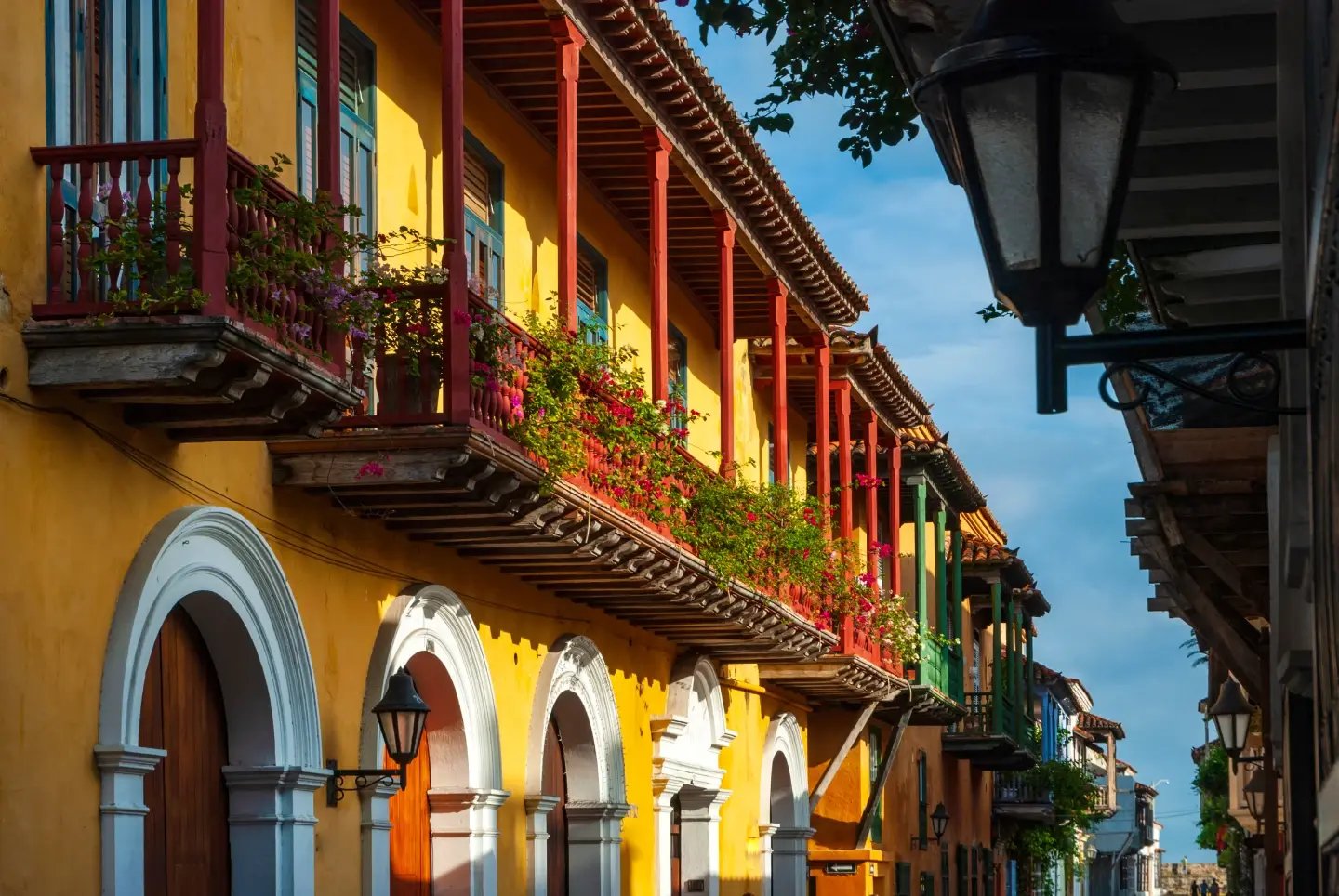
Cartagena's UNESCO-listed Old Town is a maze of colourful balconies, flower-draped courtyards and horse-drawn carriages over cobblestones. Wander without a plan and you'll find plazas, street art and fruit carts selling mango and papaya. Climb the old city walls at sunset for views over the Caribbean, then head into Getsemaní for its food and live music. It's touristy, but for good reason. Bring small peso notes, since not every vendor takes cards.
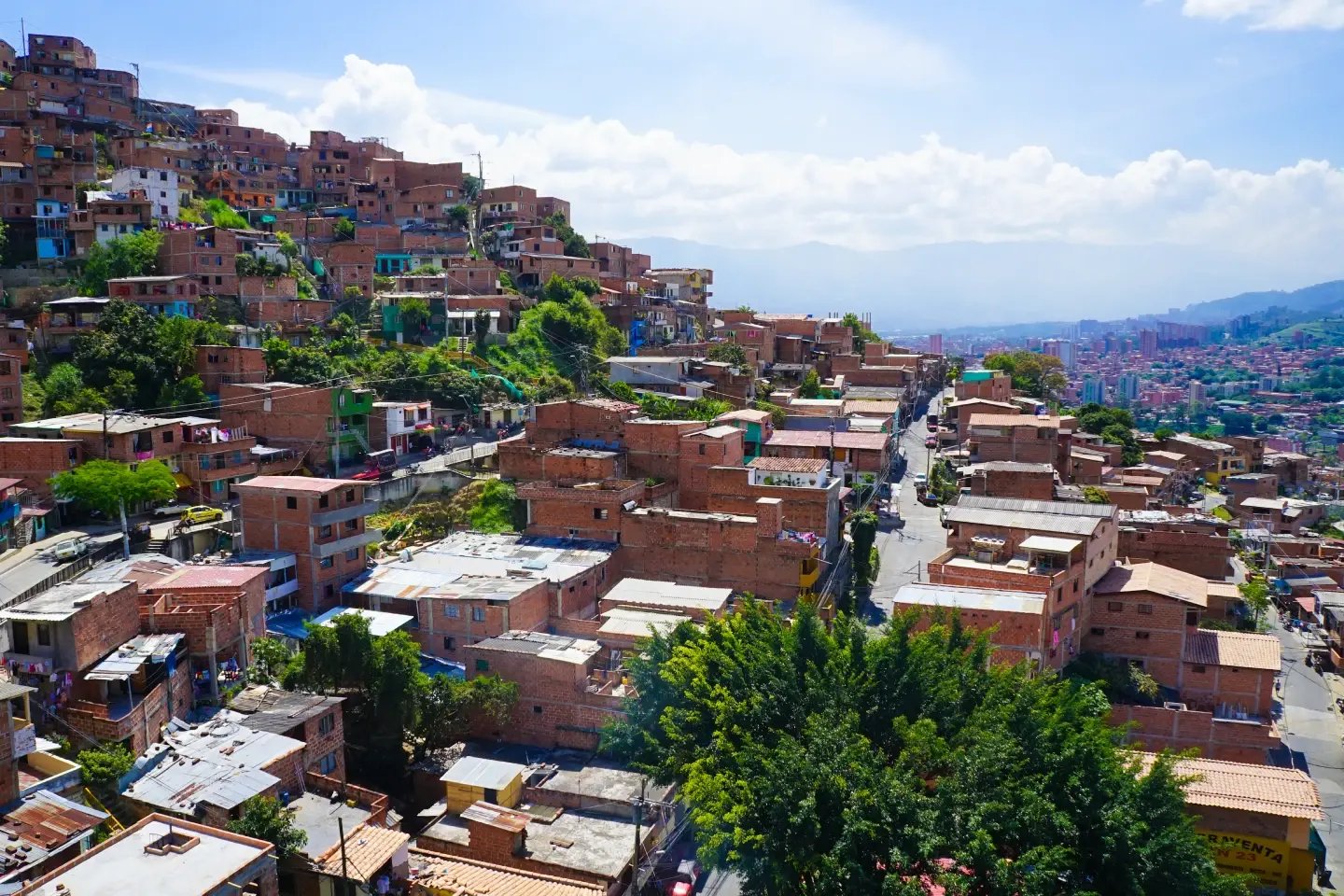 2
Ride the cable car over Medellín’s Comuna 13
Once one of Medellín's most dangerous neighbourhoods, Comuna 13's transformation is now one of the city's proudest stories. Ride the Metrocable for sweeping views, then wander the outdoor escalators past murals telling the community's history through street art. Local guides, many from the area, add context no guidebook can. Finish with a fresh juice or arepa from a stall along the way. It's an easy half-day trip from central Medellín.
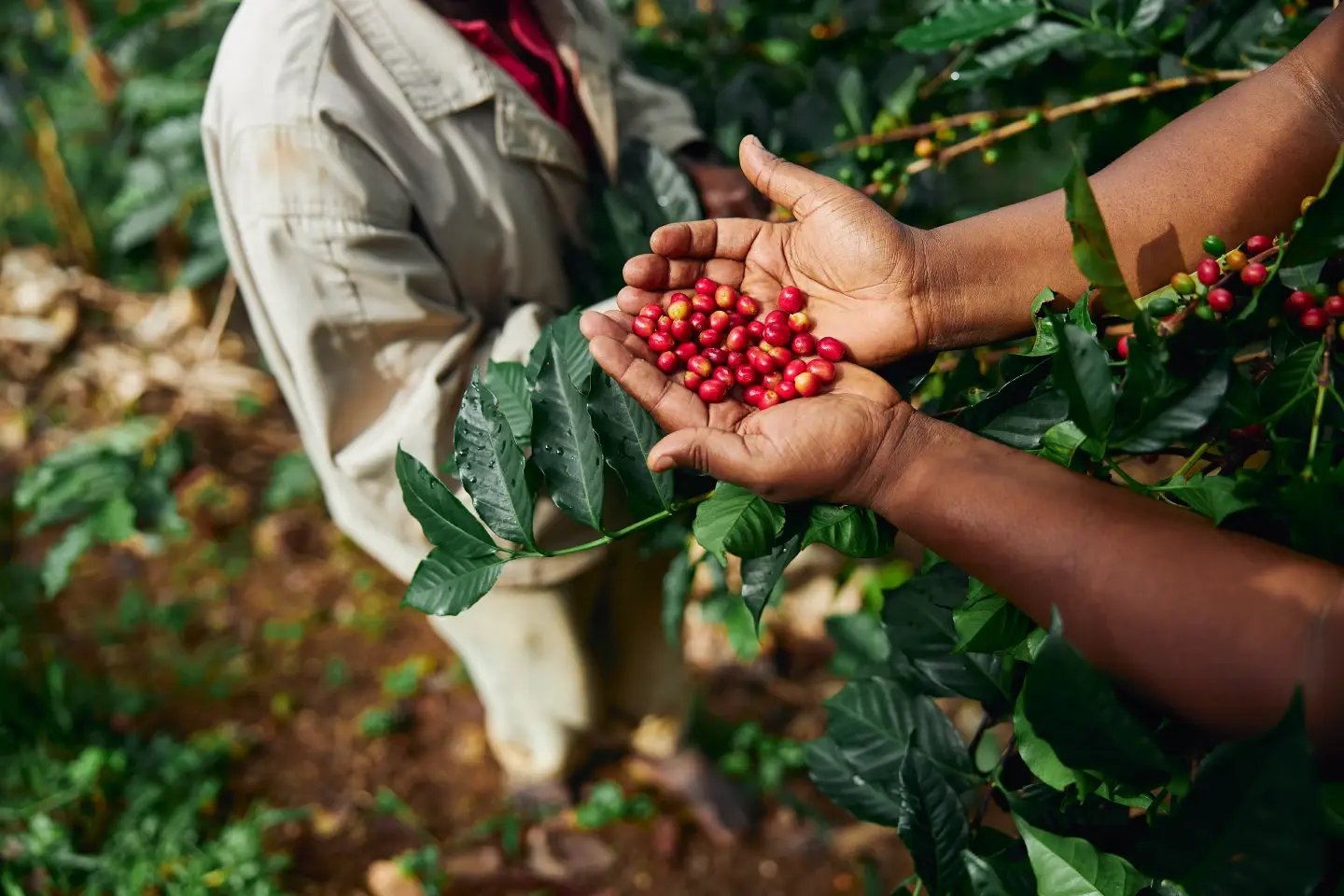 3
Tour a coffee farm in the Eje Cafetero
Colombia's Coffee Triangle, around towns like Salento and Manizales, is where your morning brew starts life. Book a farm tour, walk the plantation, pick ripe cherries and learn how they become your cup. The scenery alone is worth it: green hills dotted with wax palms, some of the tallest palm trees on earth. Pair it with a walk through the Cocora Valley, one of Colombia's most photographed views.
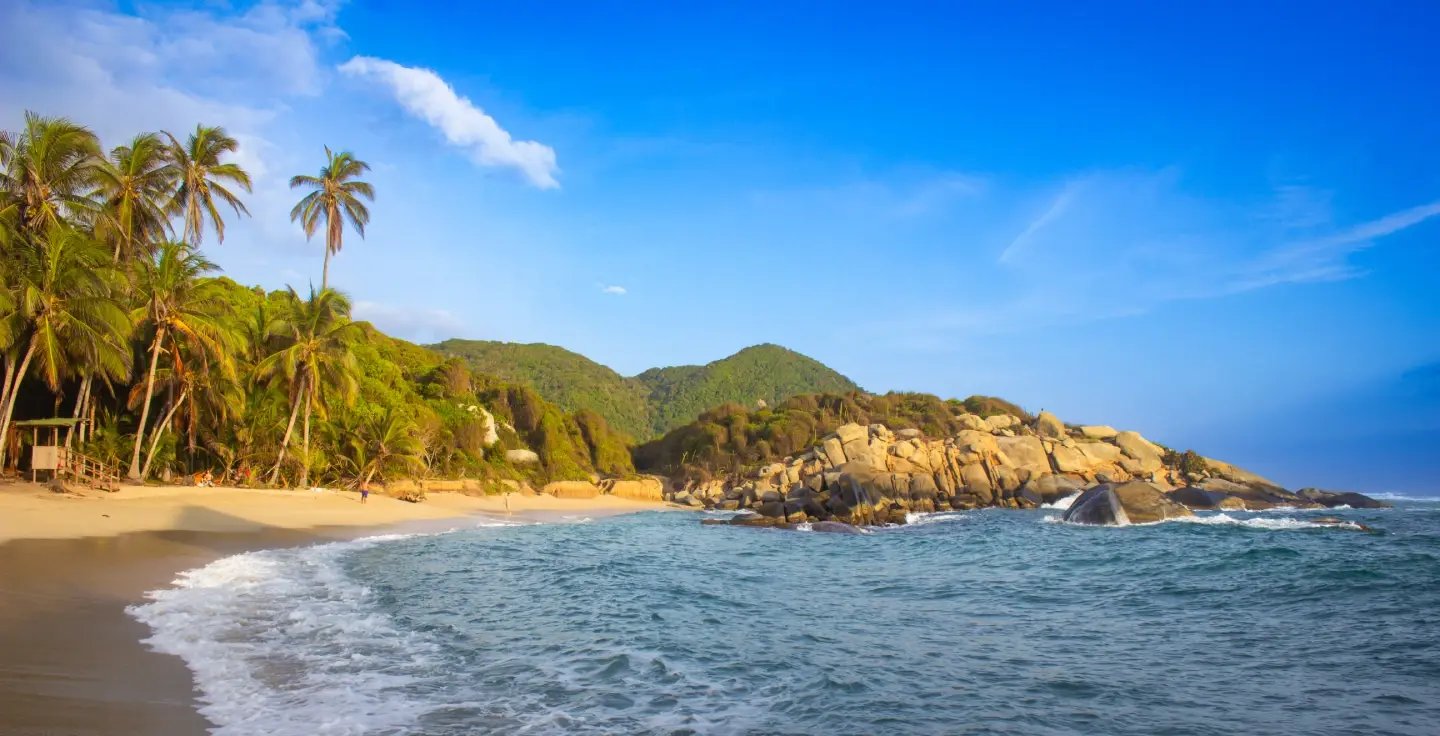 4
Hike into Tayrona National Park
Tayrona is where the Sierra Nevada mountains meet the Caribbean Sea, one of South America's most striking national parks. Hike through jungle trails to reach beaches like Cabo San Juan, then cool off beneath palm trees and granite boulders. There are no ATMs inside and phone signal is patchy, so bring cash for entry fees, food and a hammock or cabana for the night. It gets busy, so an early start pays off. The park closes for scheduled rest periods (1 to 15 February, 1 to 15 June and 19 October to 2 November) and access has been restricted at other times in 2026, so check with Parques Nacionales Naturales de Colombia before you go.
 5
Explore Bogotá’s Gold Museum and La Candelaria
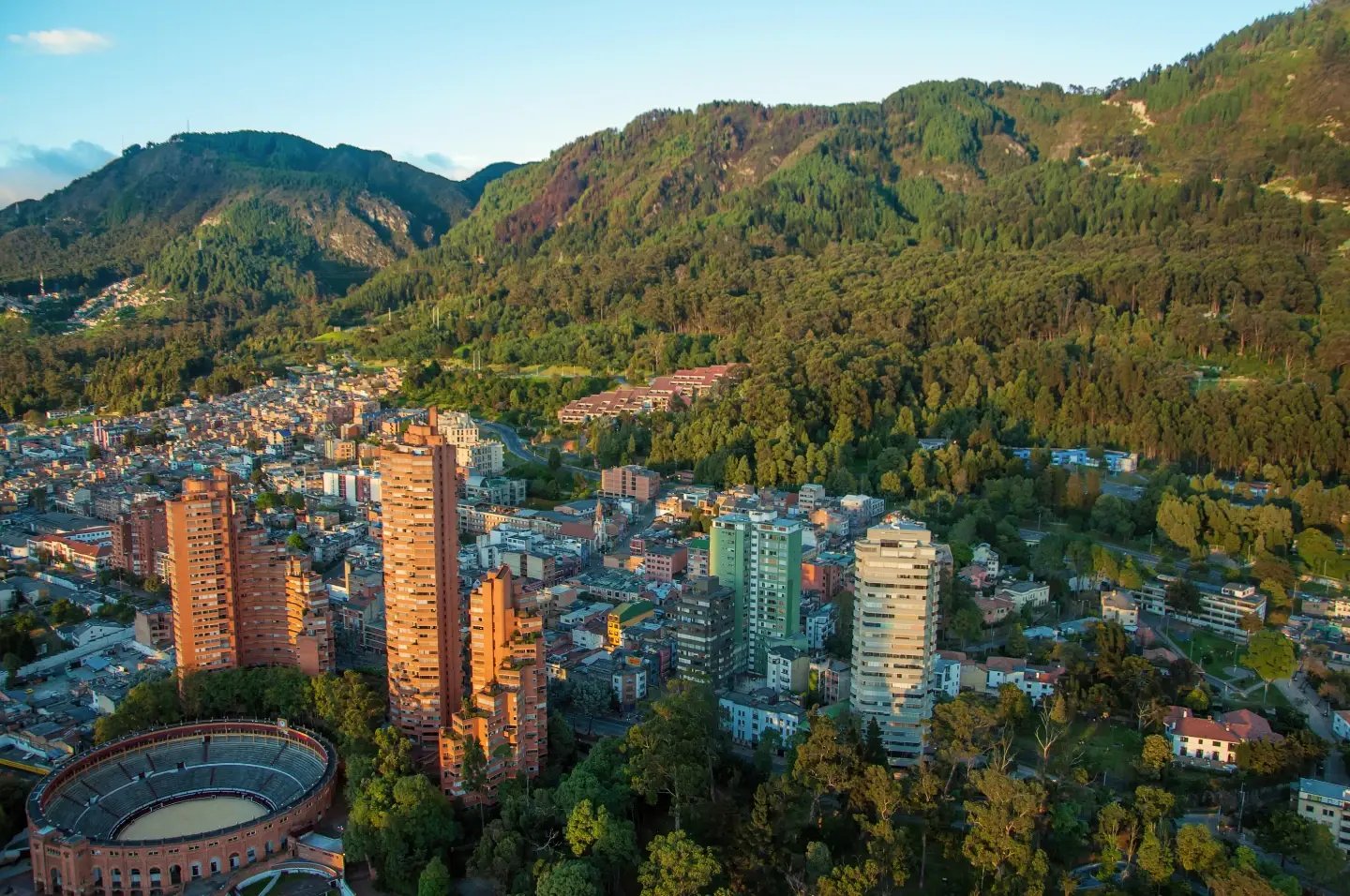
Bogotá sits 2,640 metres above sea level, so take the first day slow. Once acclimatised, the Museo del Oro is unmissable, home to around 34,000 pre-Hispanic gold pieces and one of the largest gold collections on earth. From there, wander La Candelaria's colourful streets, known for street art and a university-town buzz. Take the cable car or funicular up Monserrate for a sweeping view, especially good at sunset.
 6
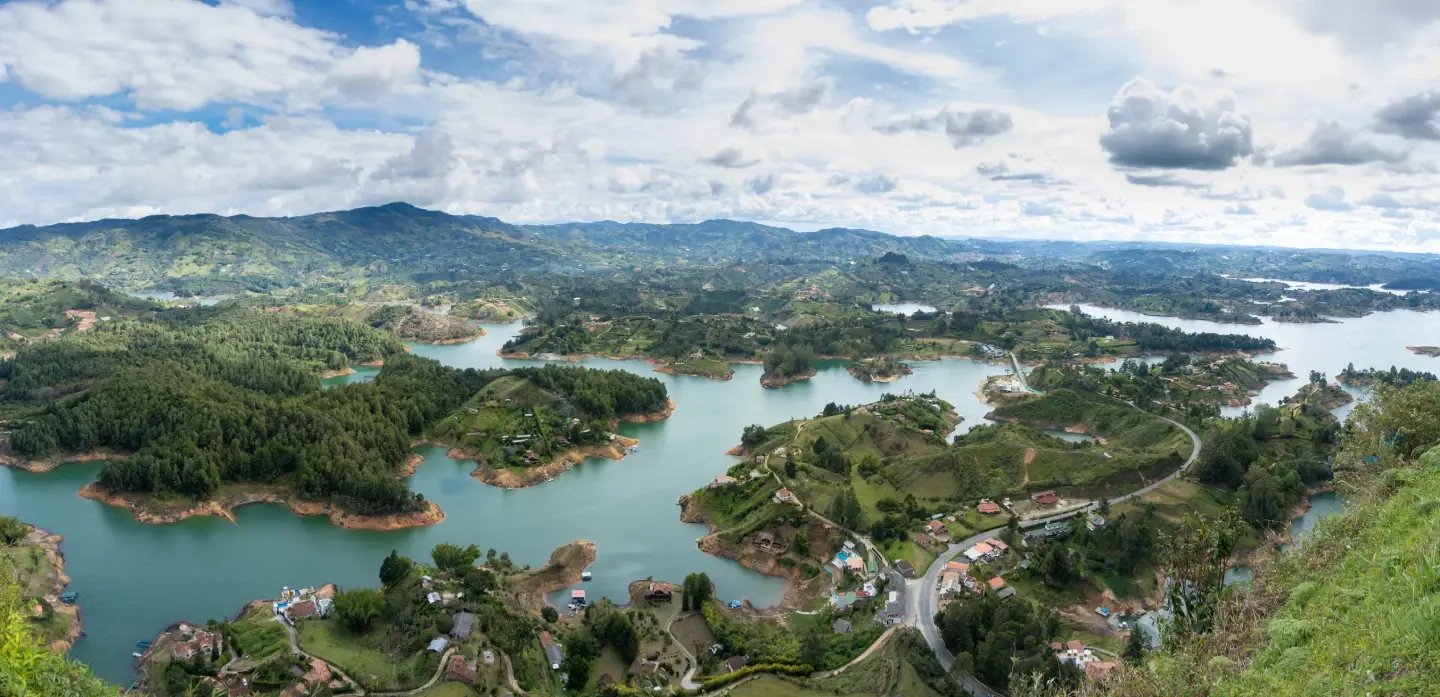
Climb El Peñol and explore Guatapé
About two hours from Medellín, El Peñol is a giant granite rock with around 700 steps zig-zagging up to a viewing platform. The climb is worth it: the view over the reservoir's islands is one of Colombia's best. Afterwards, head into Guatapé, a lakeside town where every building is decorated with colourful zócalos, painted panels depicting flowers, animals and family trades. Grab a boat trip or just wander the streets with an ice cream.