
Most popular
Japanese yenJPYUS dollarsUSDEurosEURIndonesian rupiahIDRThai bahtTHBVietnamese dongVNDBritish poundsGBPNew Zealand dollarsNZDAsia Pacific
Chinese yuanCNYFijian dollarsFJDHong Kong dollarsHKDIndian rupeesINRSouth Korean wonKRWMalaysian ringgitMYRPhilippine pesosPHPSingapore dollarsSGDNew Taiwan dollarsTWDPNG kinaPGKVanuatu vatuVUVEurope
Swiss francsCHFCzech korunaCZKDanish kroneDKKHungarian forintHUFIcelandic kronaISKNorwegian kroneNOKPolish zlotyPLNSwedish kronaSEKTurkish liraTRYAmericas, Middle East, Africa
UAE dirhamAEDCanadian dollarsCADMexican pesosMXNSouth African randZAREgyptian poundsEGPMoroccan dirhamMADQatari riyalQARBrazilian realBRLChilean pesosCLPAll 60+ currencies
Tell us about your trip. Your nearest store will call with a personalised quote during store hours.
Get a QuoteRates move throughout the day, so we call to give you the most up-to-date rate, not one that's already old.
Asia
CambodiaKHRChinaCNYHong KongHKDIndiaINRIndonesiaIDRJapanJPYMalaysiaMYRPakistanPKRPhilippinesPHPSingaporeSGDSouth KoreaKRWSri LankaLKRThailandTHBVietnamVNDEurope
AustriaEURCroatiaEURCzech RepublicCZKFranceEURGermanyEURGreeceEURIrelandEURItalyEURNetherlandsEURPortugalEURSpainEURSwitzerlandCHFUnited KingdomGBP All of EuropeAmericas
ArgentinaARSBrazilBRLCanadaCADChileCLPColombiaCOPJamaicaJMDMexicoMXNPeruPENUnited StatesUSD South AmericaAfrica
EgyptEGPMoroccoMADSouth AfricaZAREach guide tells you what cash to carry, how much, and where cards fall short.
All Destination Guides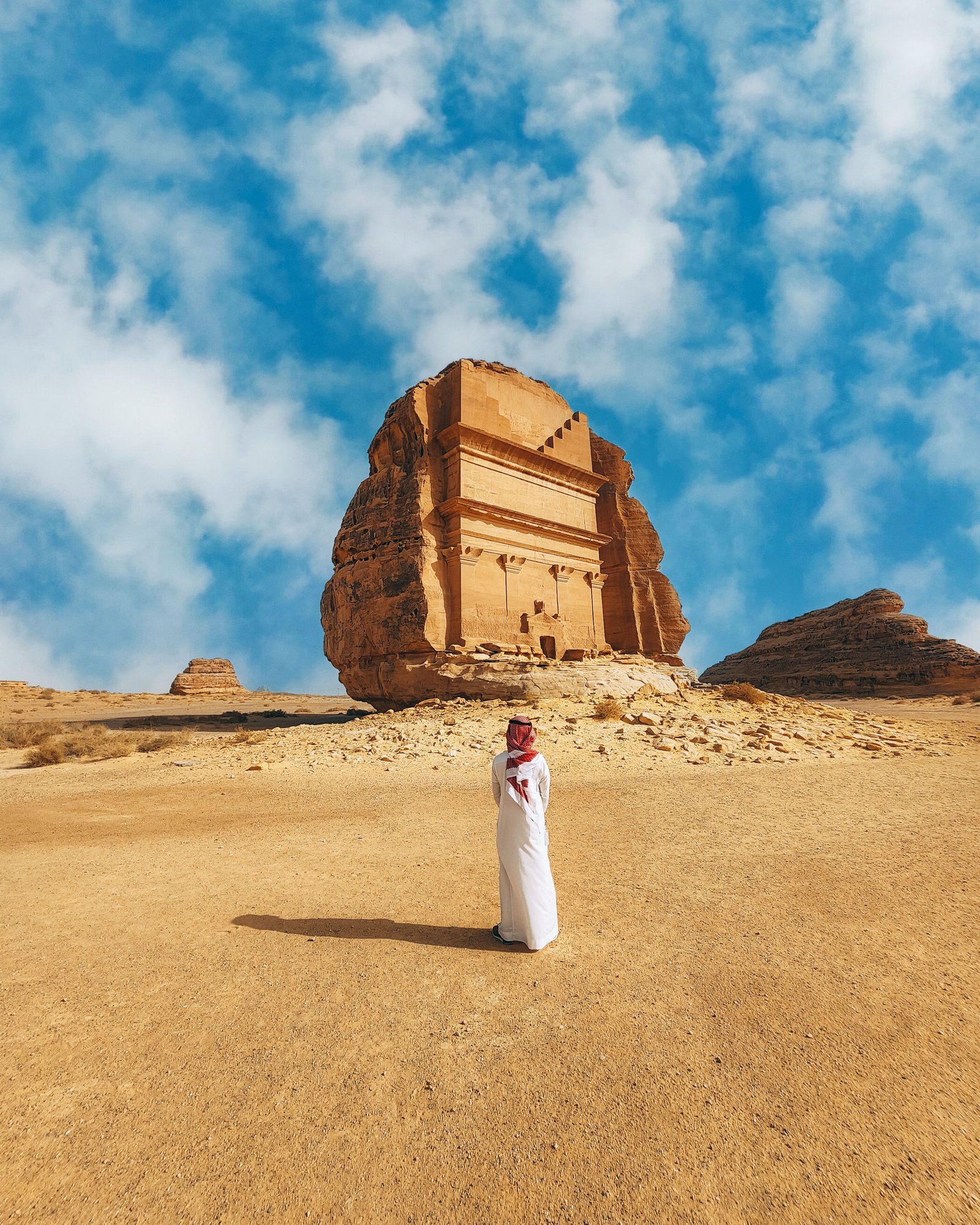
Saudi Arabia Currency Guide
Heading to Saudi Arabia? We stock the Saudi riyal (SAR) across our 67+ stores, so you can swap AUD to Saudi riyal in a single, simple visit. The riyal is locked to the US dollar at a fixed 3.75 riyals to the dollar, which makes it easy to budget around. Cards cover most big spends, but tips, souk stalls and porters still run on cash, and that's where the right notes matter. Our team will sort your mix, from SAR 5s for tipping to SAR 100s for the souk.
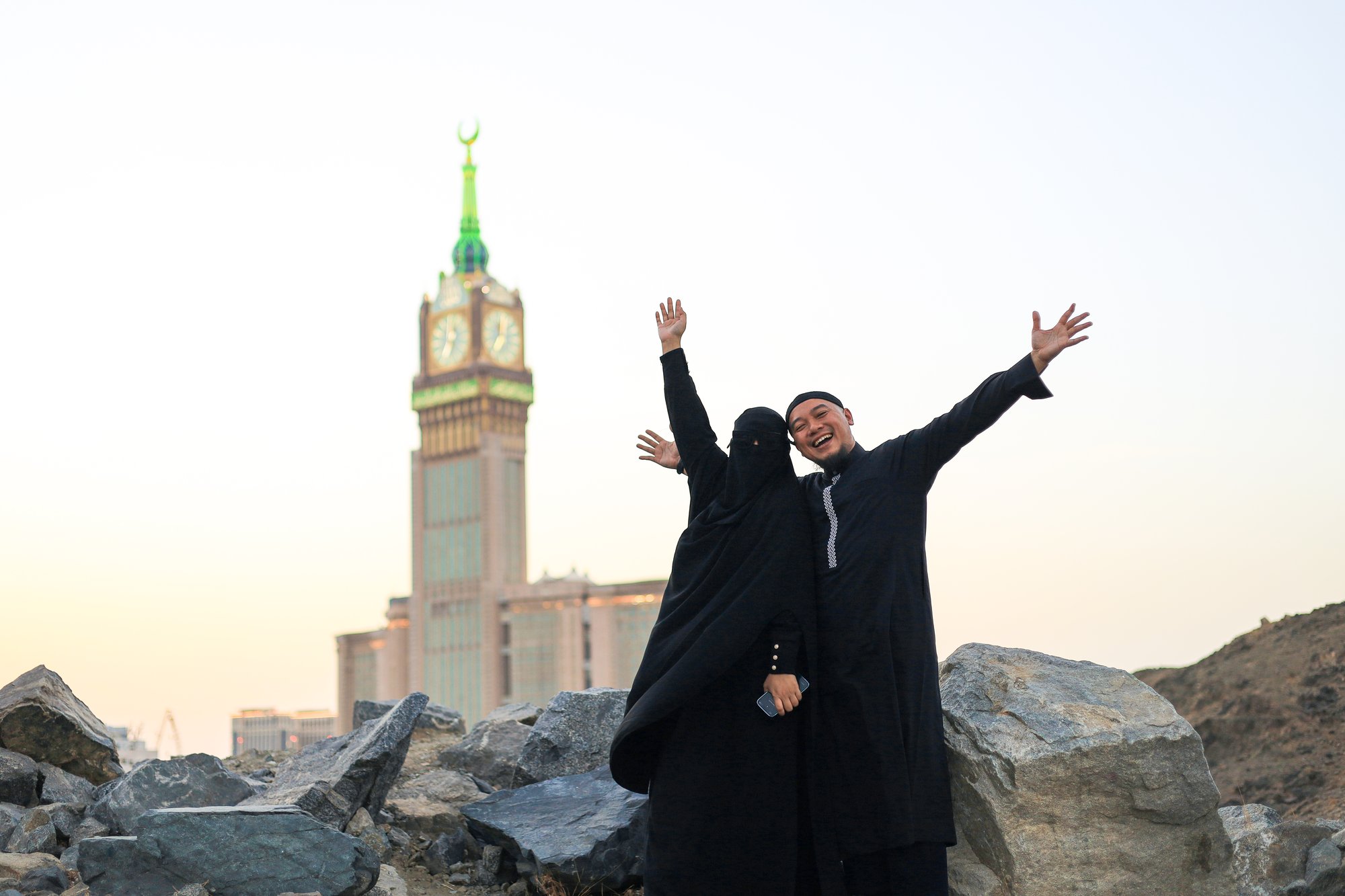
Taking Travel Money to Saudi Arabia
Australian dollars won't get you far at a Riyadh café, so swap AUD to Saudi riyal before you fly. Not sure how much to bring? Work it out with the HolidAi Budget Planner, then pop into one of our 67+ stores and walk out with riyals on the spot. Check today's rate on our AUD to SAR currency exchange page.
Should I exchange AUD to Saudi riyal before leaving Australia?
Yes. We exchange Saudi riyal with zero commission and zero fees, so one quick visit has your first tip, porter and coffee covered before you land. Airport exchange counters exist, but their rates are usually less competitive. Get a quote and lock in your rate before you go.
Is Saudi Arabia a cash or card country?
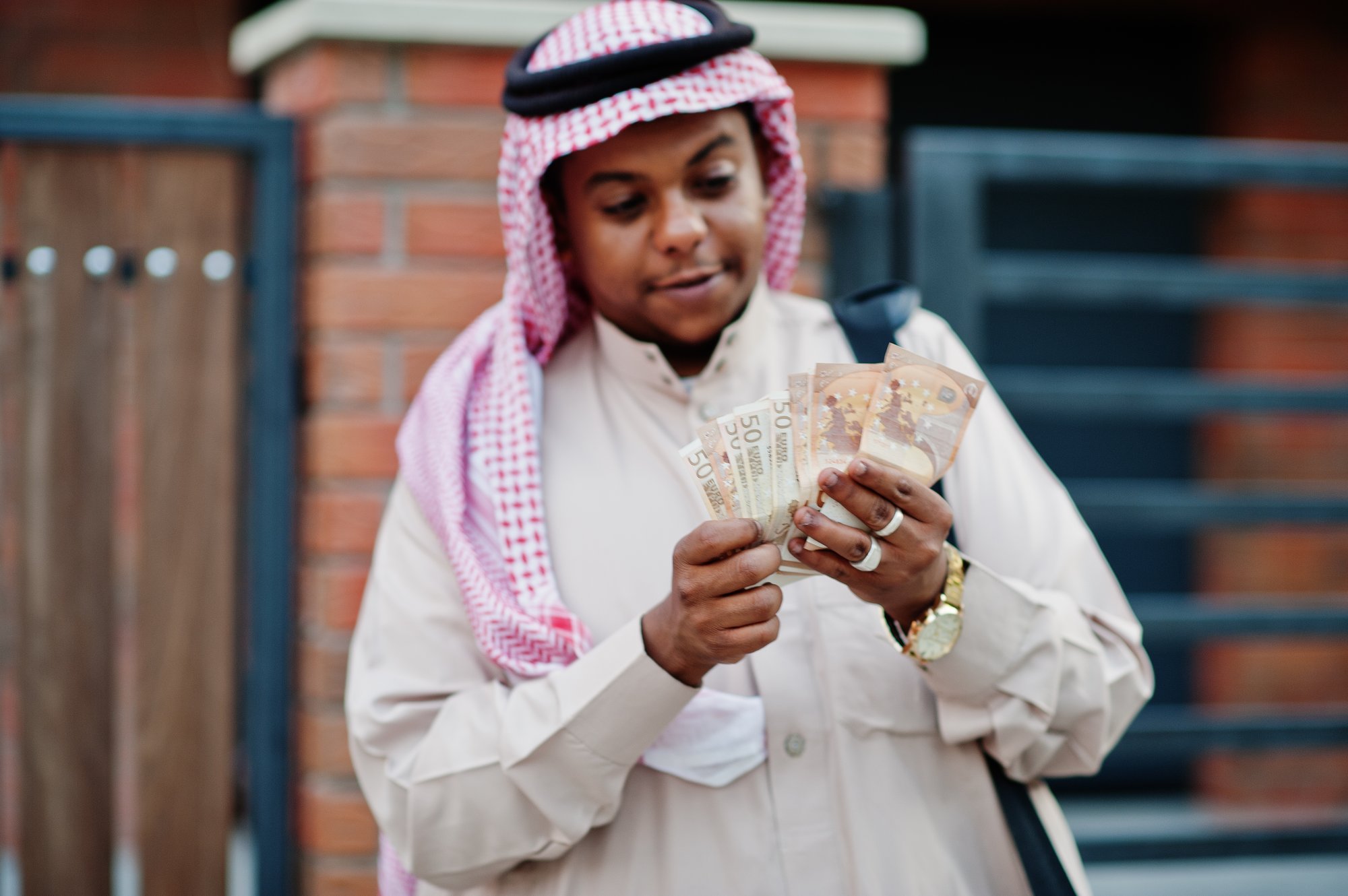
Mostly card. 85% of retail payments in Saudi Arabia are now electronic, and tap-to-pay works almost everywhere in Riyadh and Jeddah. Cash still matters for tips, souk stalls, small cafés and the odd driver. After 20+ years of sorting travel money, our team's advice is simple: card for the big stuff, Saudi money for the personal stuff.
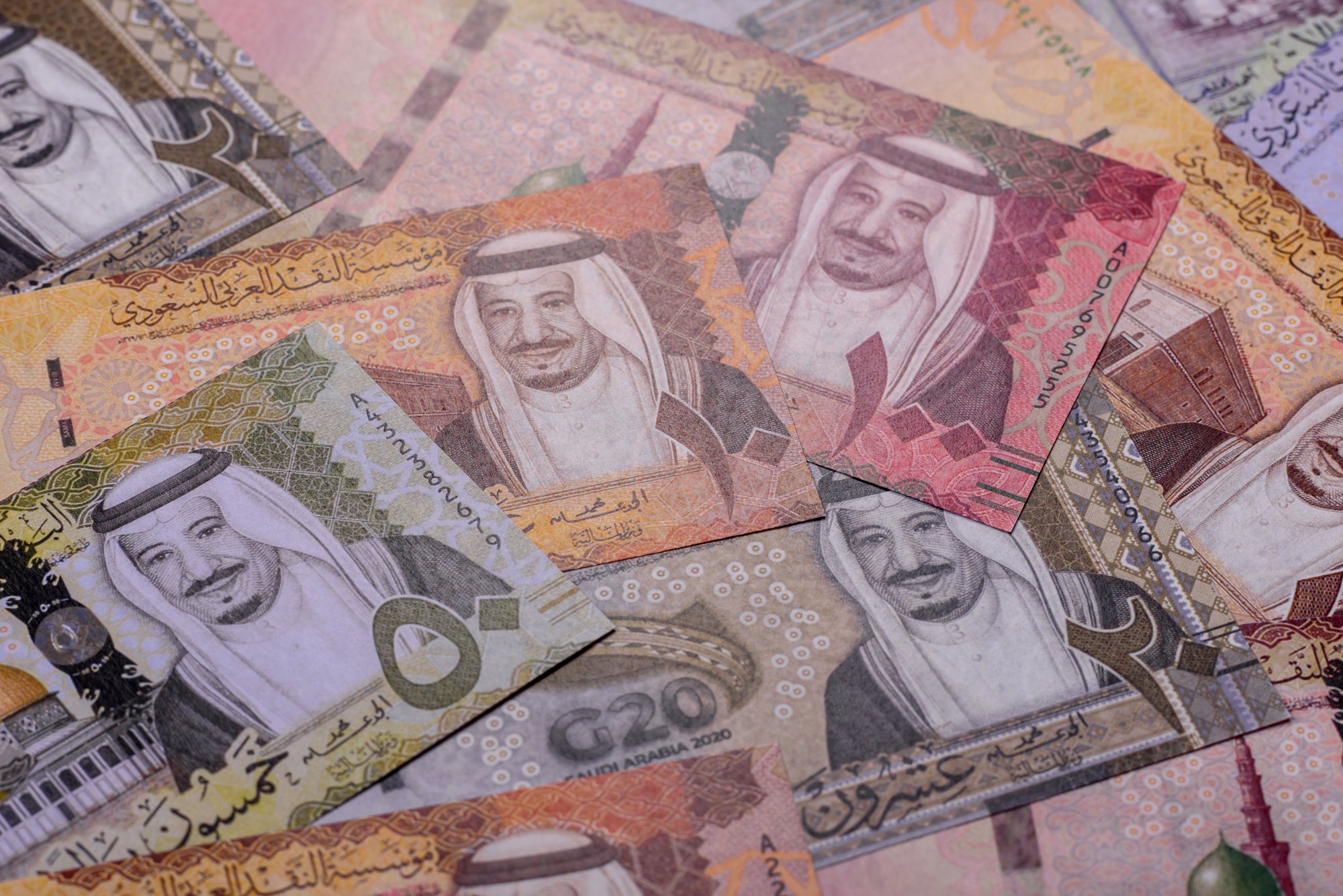
How much is the Saudi riyal worth in AUD?
The riyal is locked to the US dollar at a fixed 3.75 riyals to the dollar, so the Saudi riyal to AUD rate only moves when the Aussie dollar moves against the US dollar. That makes daily budgets easy to plan: around SAR 300 to 450 for budget travel, SAR 700 to 1,100 for mid-range, and SAR 2,000+ if you're going all out. Check the live rate on our AUD to SAR page, or map out your trip with the HolidAi Budget Planner. Home with leftover riyals? Sell them back to AUD in-store.
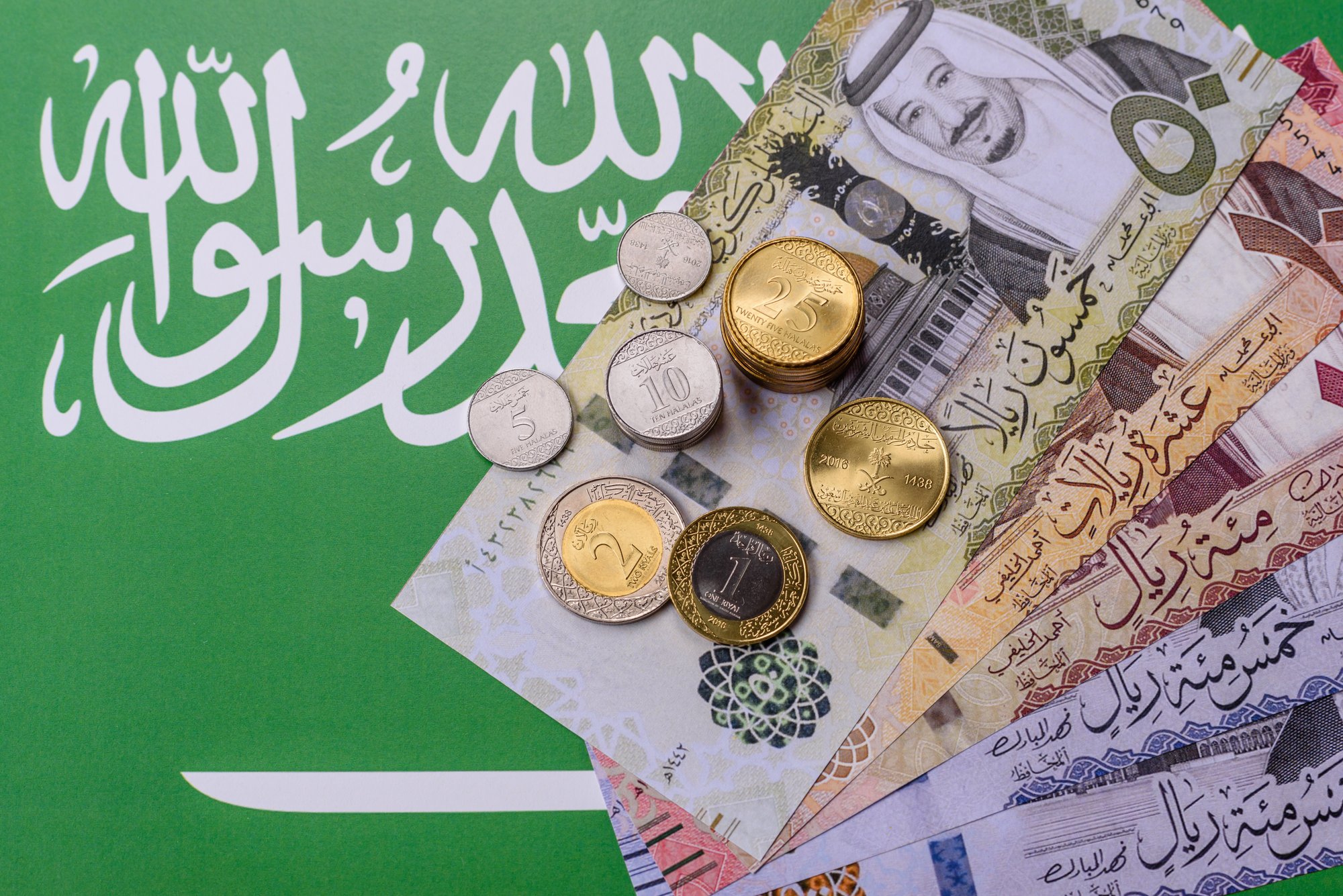
Is tipping expected in Saudi Arabia?
It's not mandatory, but it's appreciated, and it's still one of the few things locals reliably pay in cash. Around 10% is a good thank-you at restaurants when service isn't on the bill, SAR 5 to 10 covers a hotel porter, and rounding up works for drivers. Our team will make sure you have a mix of SAR 5 and SAR 10 notes, so you're set.
What do Australians need to visit Saudi Arabia?
Australians can apply for a tourist eVisa online through the official Visit Saudi website. It's valid for 12 months, with stays of up to 90 days.
Is it safe to travel to Saudi Arabia right now?
The security situation in the region can change quickly, so check Smartraveller's advice for Saudi Arabia before you book and again before you fly. Subscribe to Smartraveller updates for your trip, take out comprehensive travel insurance, and keep an eye on messages from your airline.
Must-Do's in Saudi Arabia
 1
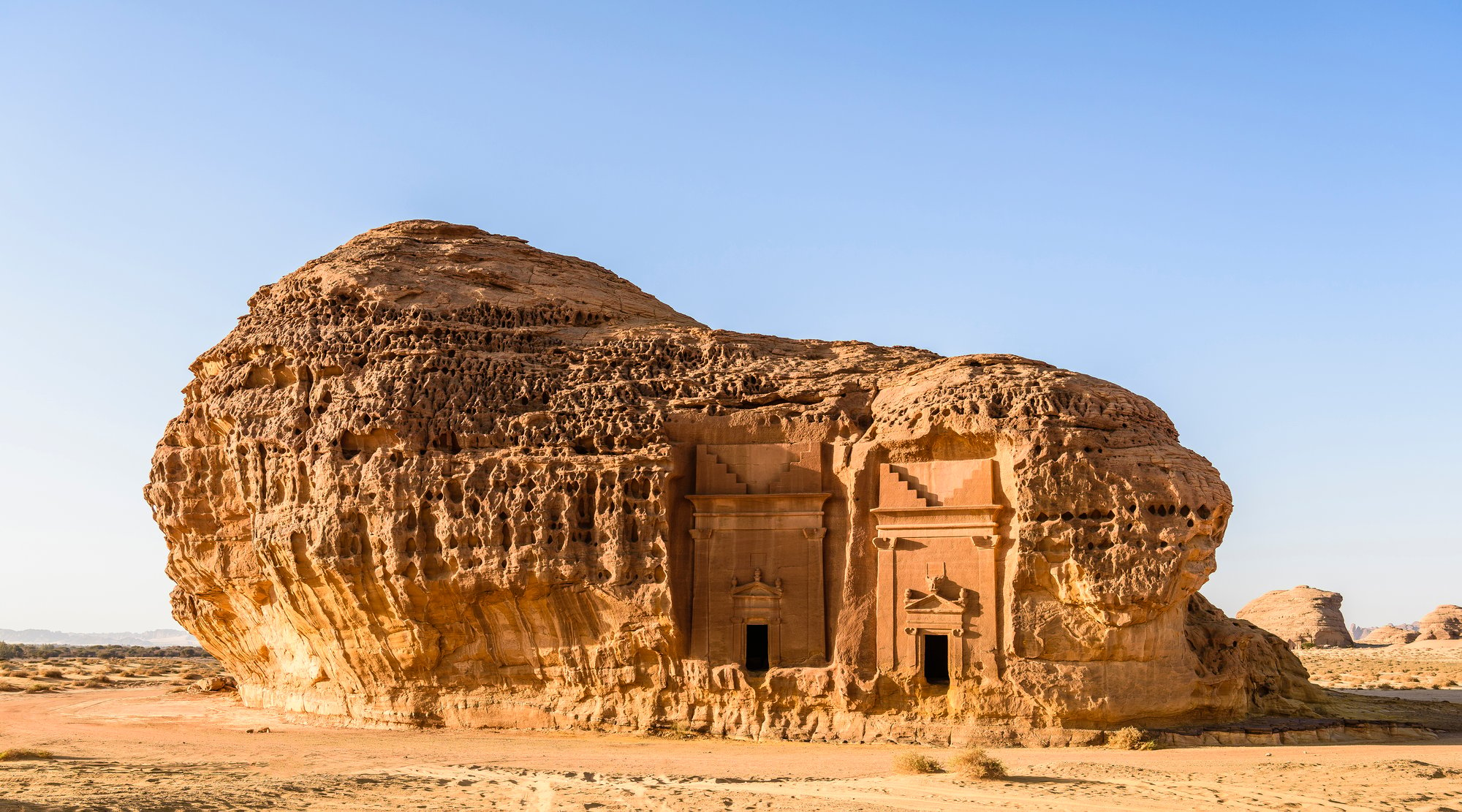
Explore AlUla and Hegra
Hegra was Saudi Arabia's first UNESCO World Heritage Site, with more than 100 tombs carved into sandstone by the same Nabataeans who built Petra. Tours and tickets are booked online, so card does the heavy lifting. Back in AlUla Old Town it's a different story: date sellers, coffee carts and craft stalls along the mud-brick lanes are happiest with riyals. Keep a few SAR 10 notes for your guide, too.
 2
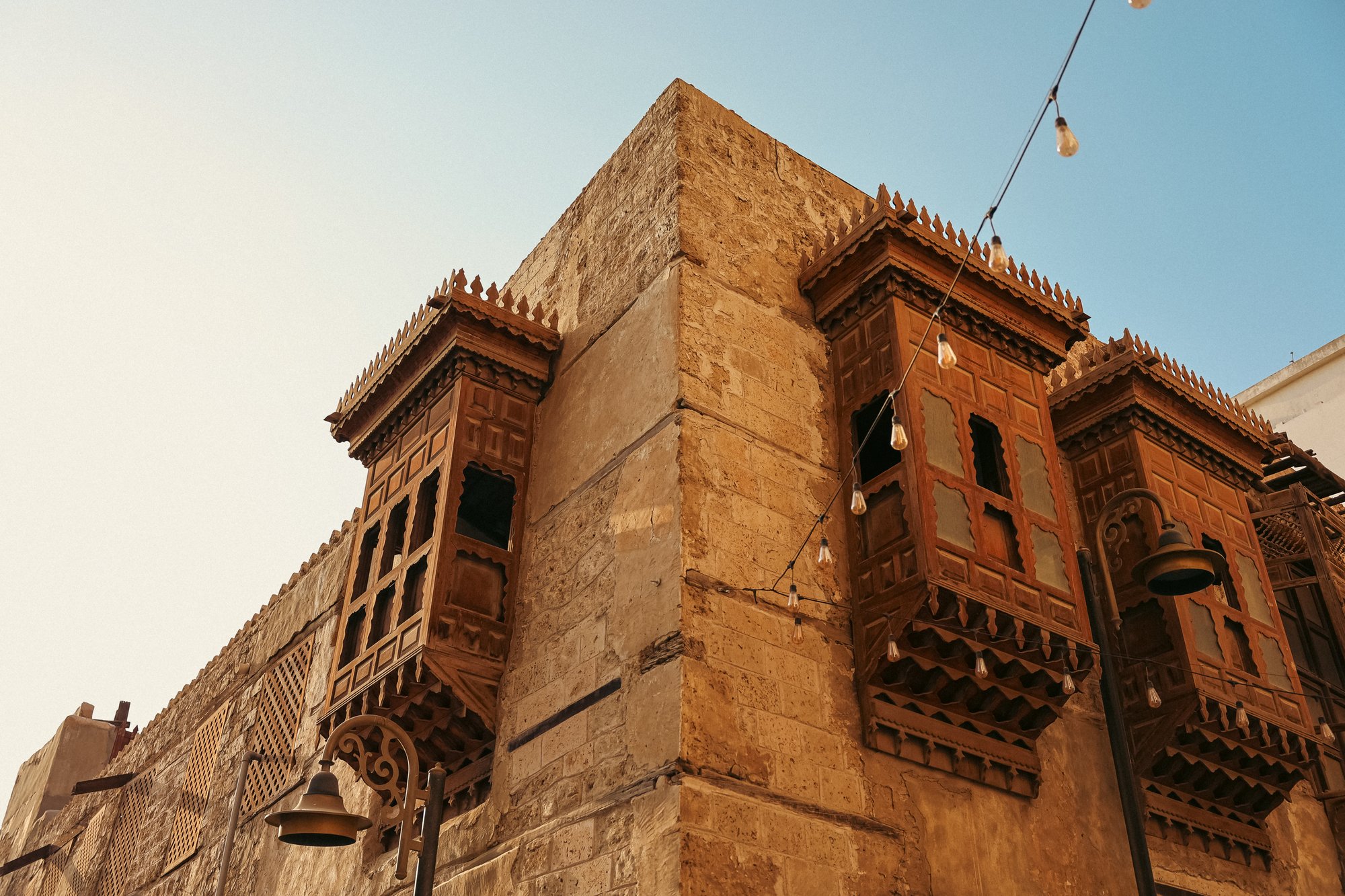
Wander Jeddah's Al-Balad
Jeddah's old town is a maze of coral-stone houses with carved wooden balconies, and it's UNESCO-listed for good reason. It's best after sunset, when the heat drops and the souks fill up. Spice traders, perfume sellers and mutabbaq stalls (a stuffed, pan-fried pastry) mostly run on cash, and a little friendly haggling is expected. Small notes make the back-and-forth easier for everyone.
 3
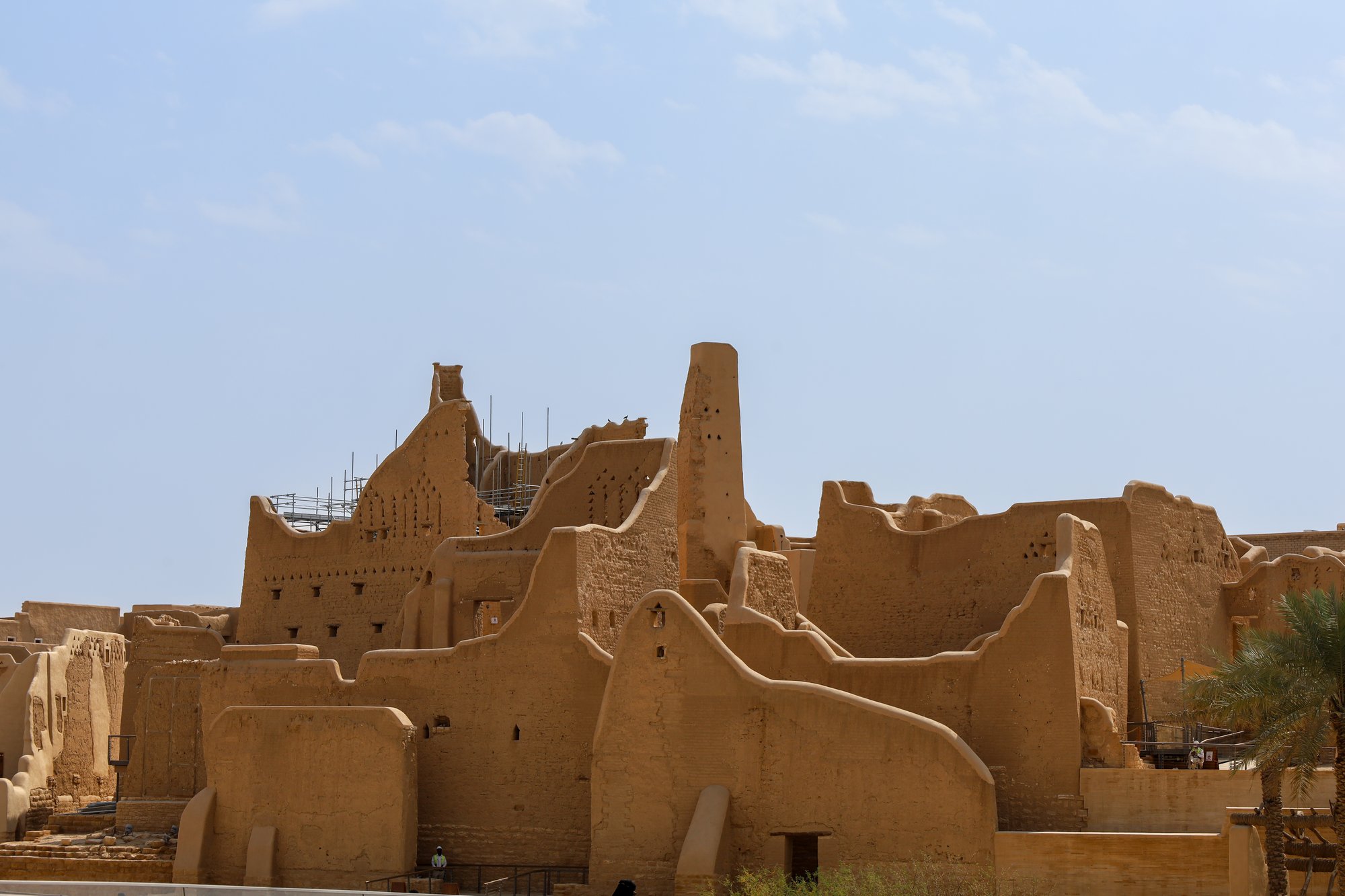
Walk Diriyah's At-Turaif
On Riyadh's edge, At-Turaif is the mud-brick birthplace of the first Saudi state and another UNESCO site. Most visits are ticketed online, and the restaurants of Bujairi Terrace next door take cards without blinking. Where cash earns its keep is the human stuff: tipping your guide, the porter at your hotel, or the driver who waits while you catch golden hour on the old walls.
 4
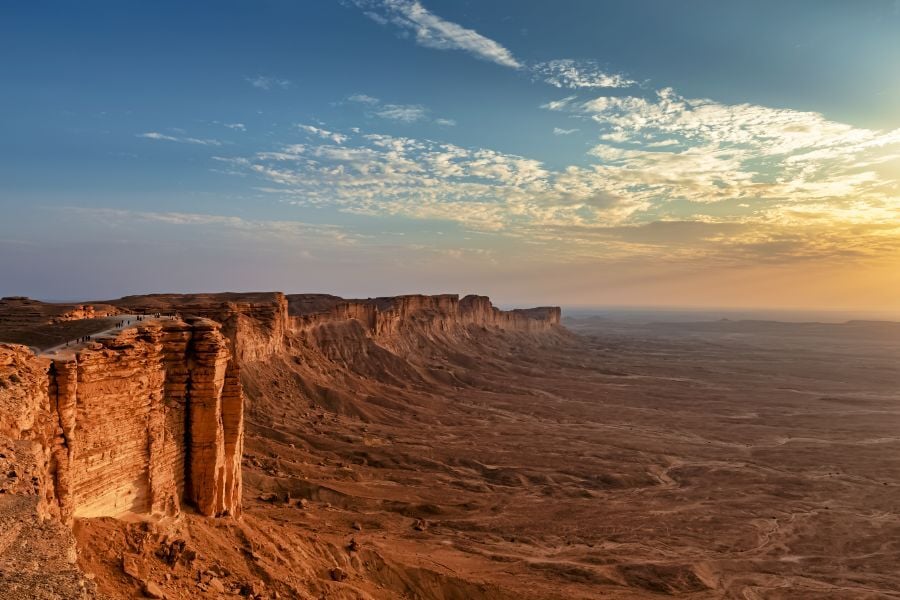
Hike the Edge of the World
About 2 hours north-west of Riyadh, the Tuwaiq Escarpment drops away into a flat desert plain, and on a clear day it really does feel like the end of the map. You'll want a 4WD and a guide for the rough final stretch, so most travellers book it as a day trip. Pack water, sun protection and around SAR 50 in small notes for your guide and the roadside snacks on the way home.
 5
Haggle at Souq Al Zal
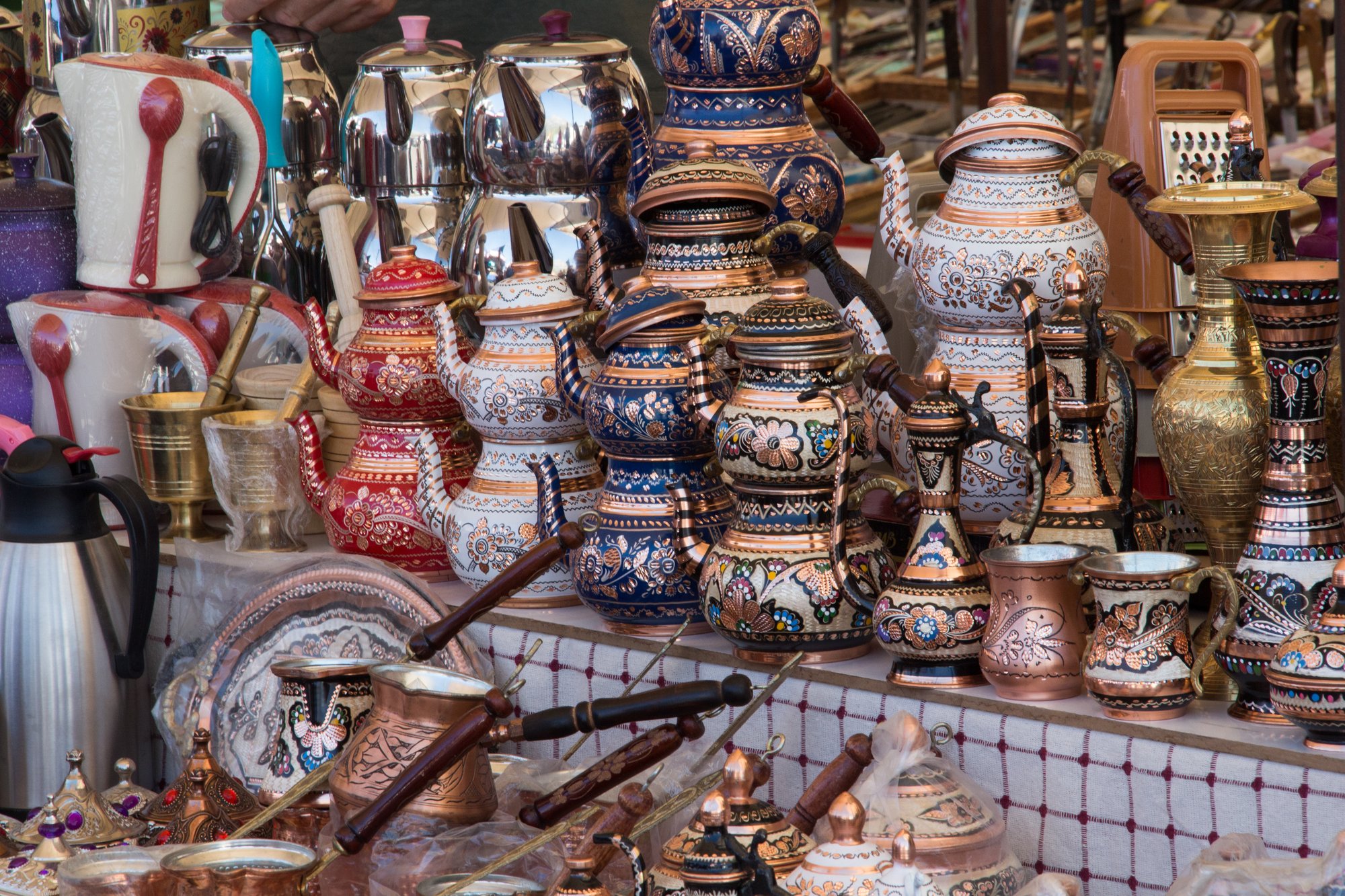
One of Riyadh's oldest markets, Souq Al Zal is where you'll find carpets, antique dallah coffee pots, oud, bisht cloaks and plenty you didn't know you needed. Vendors expect a bit of bargaining, and cash puts you in a stronger spot than a card ever will. Go in the evening when it's cooler and busier, with a mix of SAR 10, 50 and 100 notes so you're never stuck waiting for change.
 6
Taste kabsa and Saudi coffee
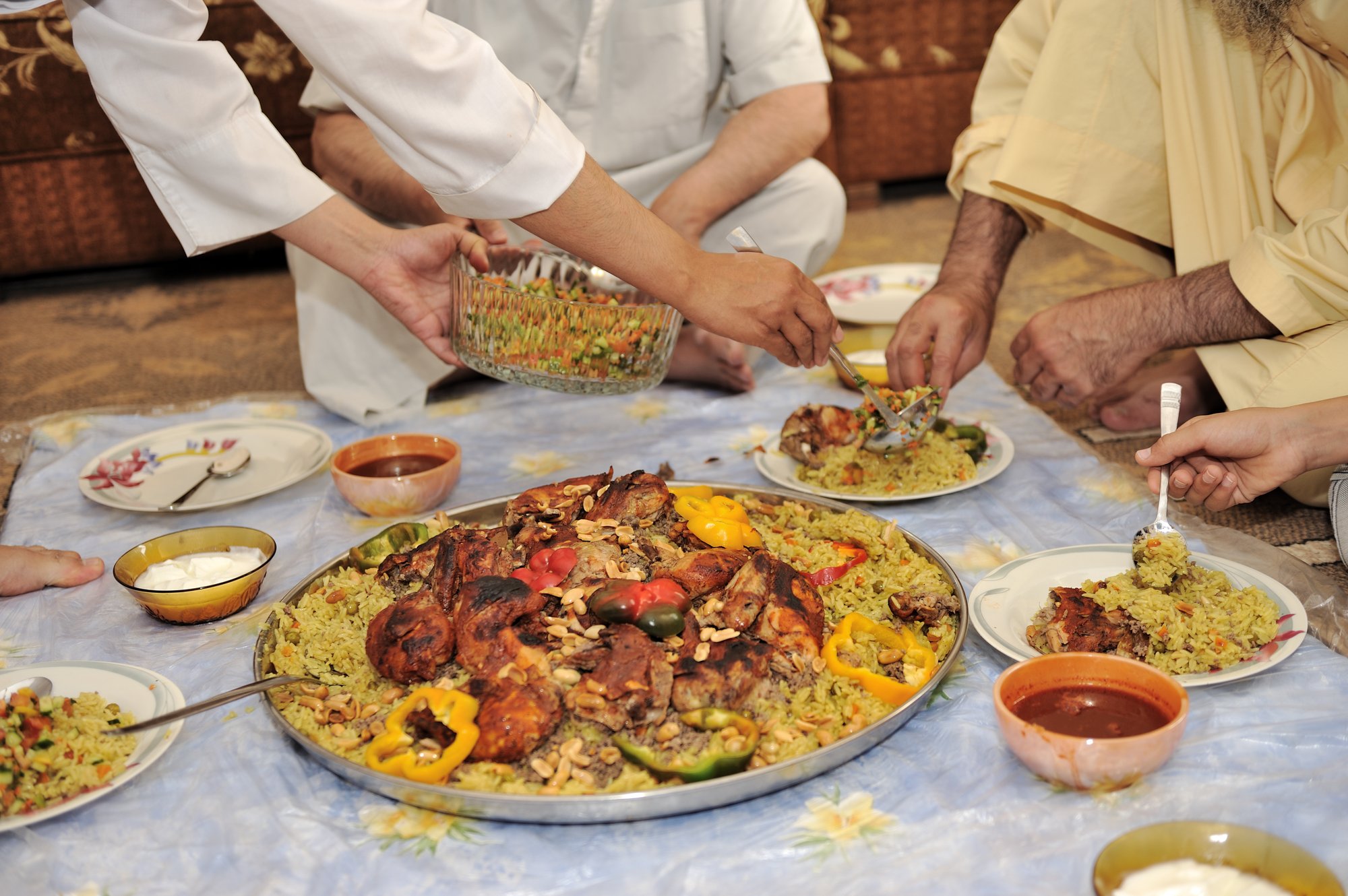
Kabsa, spiced rice piled with slow-cooked lamb or chicken, is the national dish, and you'll find it everywhere from family restaurants to roadside spots. It's usually followed by qahwa, a light cardamom coffee poured into tiny cups and served with dates. Your host will keep refilling until you give the cup a little shake. The smaller the eatery, the more likely cash is king, so keep some riyals handy.