
Most popular
Japanese yenJPYUS dollarsUSDEurosEURIndonesian rupiahIDRThai bahtTHBVietnamese dongVNDBritish poundsGBPNew Zealand dollarsNZDAsia Pacific
Chinese yuanCNYFijian dollarsFJDHong Kong dollarsHKDIndian rupeesINRSouth Korean wonKRWMalaysian ringgitMYRPhilippine pesosPHPSingapore dollarsSGDNew Taiwan dollarsTWDPNG kinaPGKVanuatu vatuVUVEurope
Swiss francsCHFCzech korunaCZKDanish kroneDKKHungarian forintHUFIcelandic kronaISKNorwegian kroneNOKPolish zlotyPLNSwedish kronaSEKTurkish liraTRYAmericas, Middle East, Africa
UAE dirhamAEDCanadian dollarsCADMexican pesosMXNSouth African randZAREgyptian poundsEGPMoroccan dirhamMADQatari riyalQARBrazilian realBRLChilean pesosCLPAll 60+ currencies
Tell us about your trip. Your nearest store will call with a personalised quote during store hours.
Get a QuoteRates move throughout the day, so we call to give you the most up-to-date rate, not one that's already old.
Asia
CambodiaKHRChinaCNYHong KongHKDIndiaINRIndonesiaIDRJapanJPYMalaysiaMYRPakistanPKRPhilippinesPHPSingaporeSGDSouth KoreaKRWSri LankaLKRTaiwanTWDThailandTHBVietnamVNDEurope
AustriaEURCroatiaEURCzech RepublicCZKFranceEURGermanyEURGreeceEURIrelandEURItalyEURNetherlandsEURPortugalEURSpainEURSwitzerlandCHFUnited KingdomGBP All of EuropeAmericas
ArgentinaARSBrazilBRLCanadaCADChileCLPColombiaCOPJamaicaJMDMexicoMXNPeruPENUnited StatesUSD South AmericaAfrica
EgyptEGPMoroccoMADSouth AfricaZAREach guide tells you what cash to carry, how much, and where cards fall short.
All Destination Guides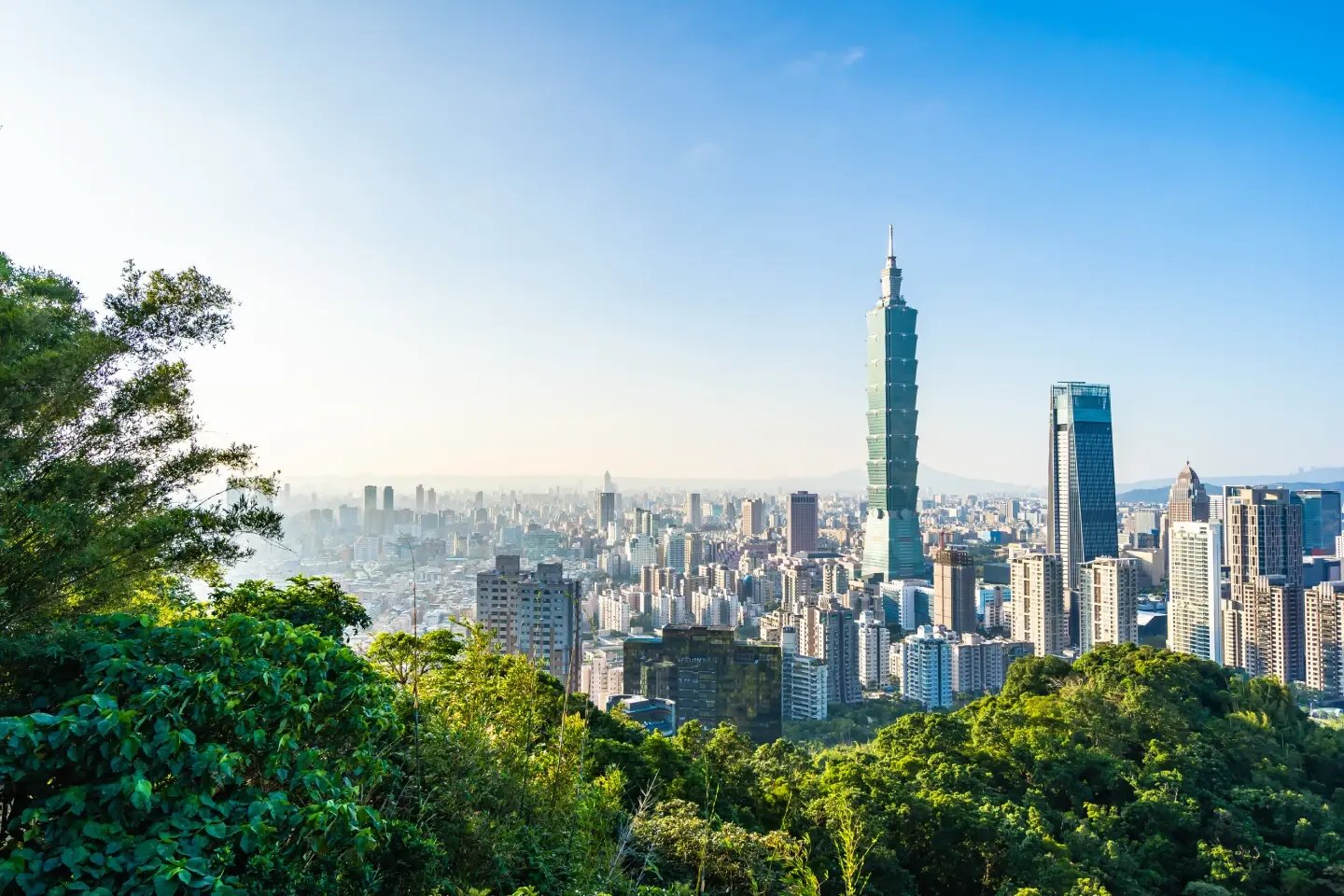
Taiwan Currency Guide
Taiwan money has a few names. The New Taiwan Dollar is the official name, TWD is the code you'll see on exchange boards and currency converters, and NT$ is what actually shows up on receipts once you're there. Beyond the money question, Taiwan delivers night markets that run for blocks, hot springs in the hills above Taipei, and marble gorges carved by rivers. It's easily one of Asia's most underrated destinations.
Taking Travel Money to Taiwan
If you're heading to Taiwan, you'll need to exchange your Australian dollars (AUD) for New Taiwan Dollars (TWD) before you go. Read more in our AUD to TWD currency exchange guide.
Should I exchange AUD to TWD before leaving Australia?
Yes. Sorting your TWD before you fly means you land with cash ready for taxis, food and tips. Taiwan has solid ATM coverage in the cities, but exchange rates and withdrawal fees vary by bank. Buying your Taiwan dollars from Crown Currency Exchange before you go means no fees, no commission, and no scrambling for an ATM after a long flight.
Is Taiwan a cash or card country?
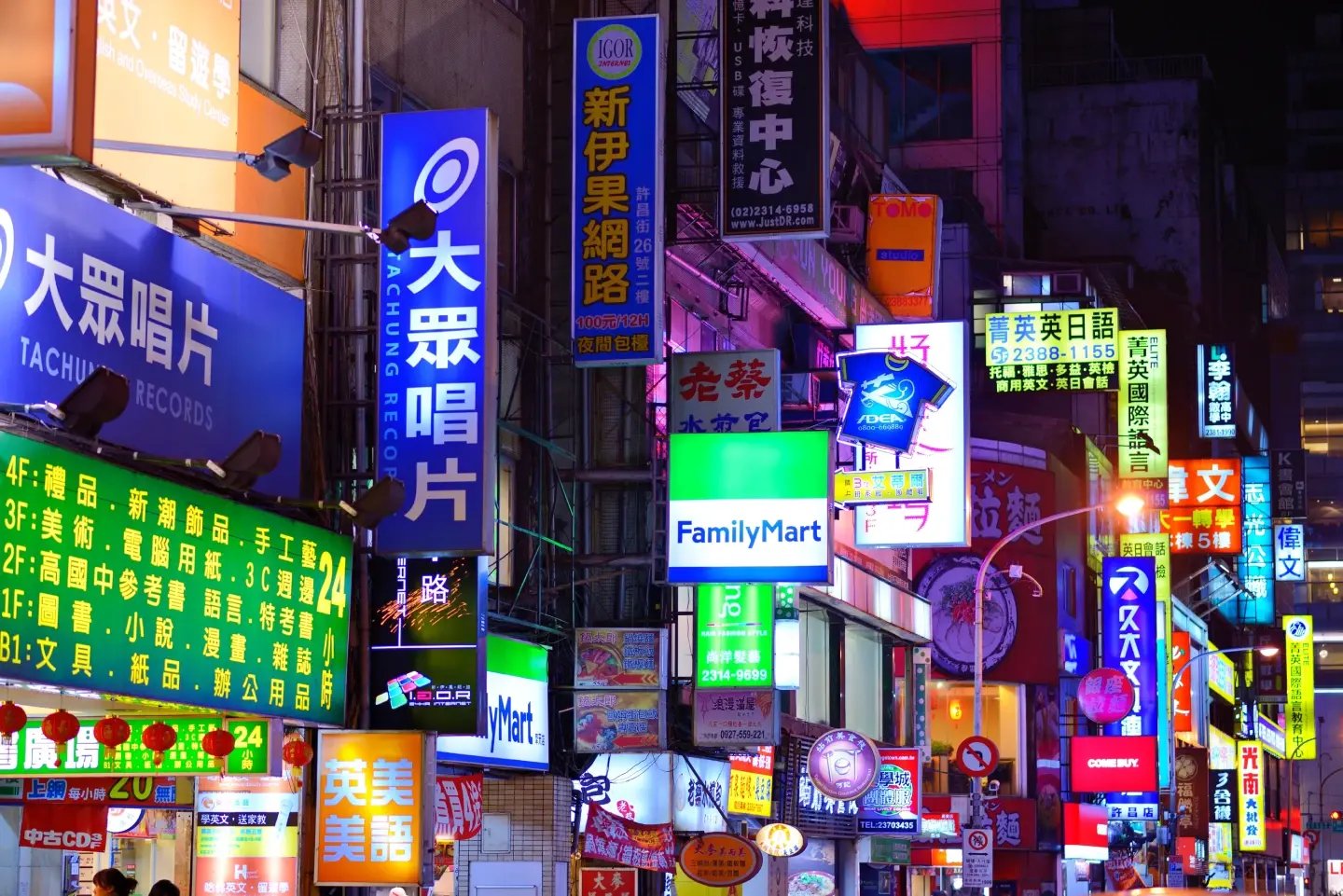
Both, depending on where you are. Night markets, local eateries, temples and taxis lean heavily on cash. Hotels, malls, convenience stores and the High Speed Rail are card-friendly. An EasyCard covers public transport and small convenience store buys, but you'll still want physical TWD cash for the spontaneous and authentic experiences that make Taiwan worth visiting.
What denominations should I carry in Taiwan?
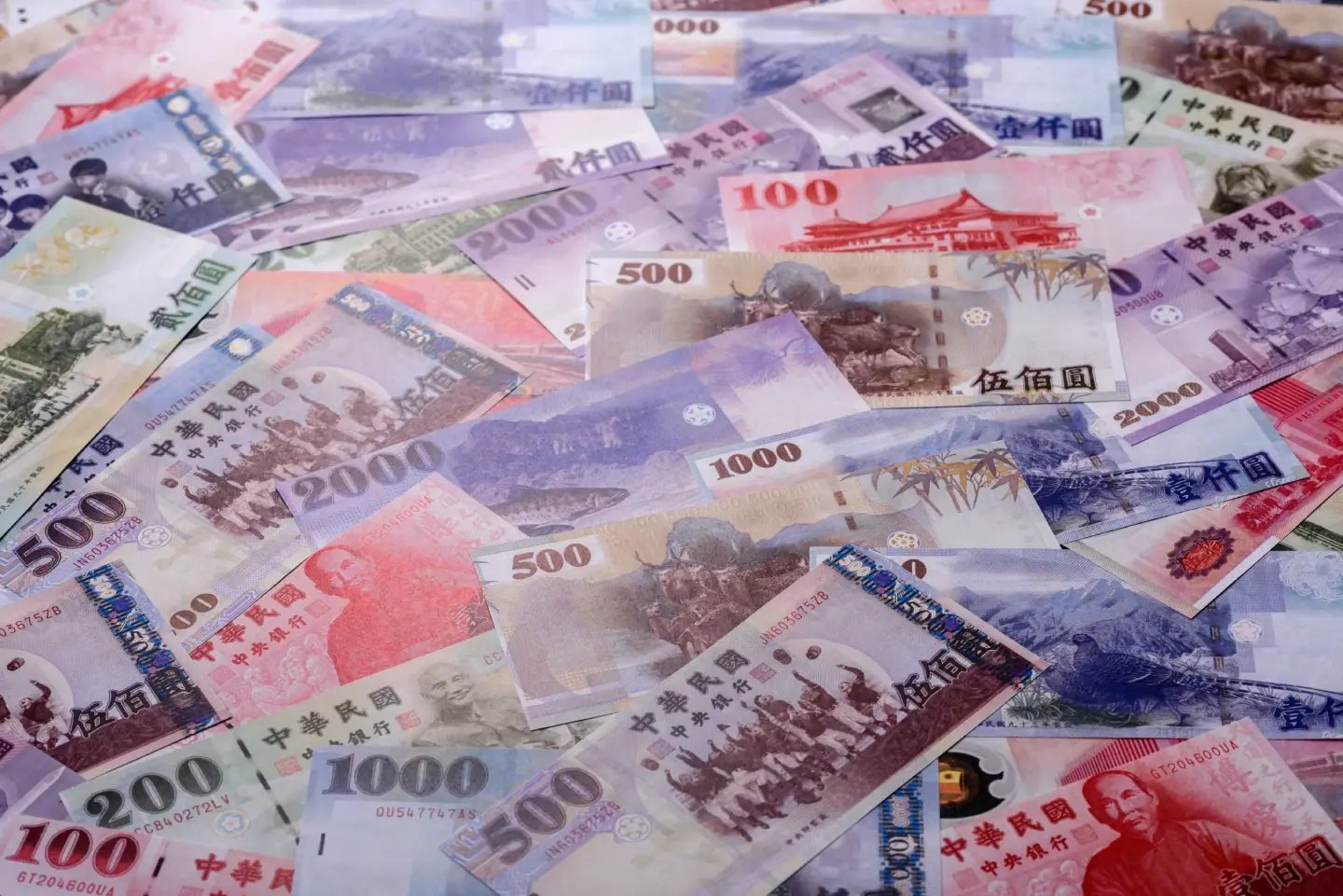
Prices in Taiwan are marked in NT$, the local symbol for the New Taiwan Dollar (TWD). NT$100 and NT$500 notes are the most useful for everyday spending, especially at night markets and small shops where change for a NT$1,000 note isn't always on hand. NT$200 and NT$2,000 notes exist and are legal tender, but they're rarely seen in circulation, so don't count on them.
How much should I budget for a trip to Taiwan?
It depends on your travel style, but as a rough guide: budget travellers get by on NT$1,500-2,200 a day, mid-range sits around NT$2,500-4,000, and if you're going all out, NT$6,000-10,000+ covers a properly comfortable trip. For a number based on your actual dates, group size and travel style, run it through the HolidAi Budget Planner before you go.
When's the best time to visit Taiwan?
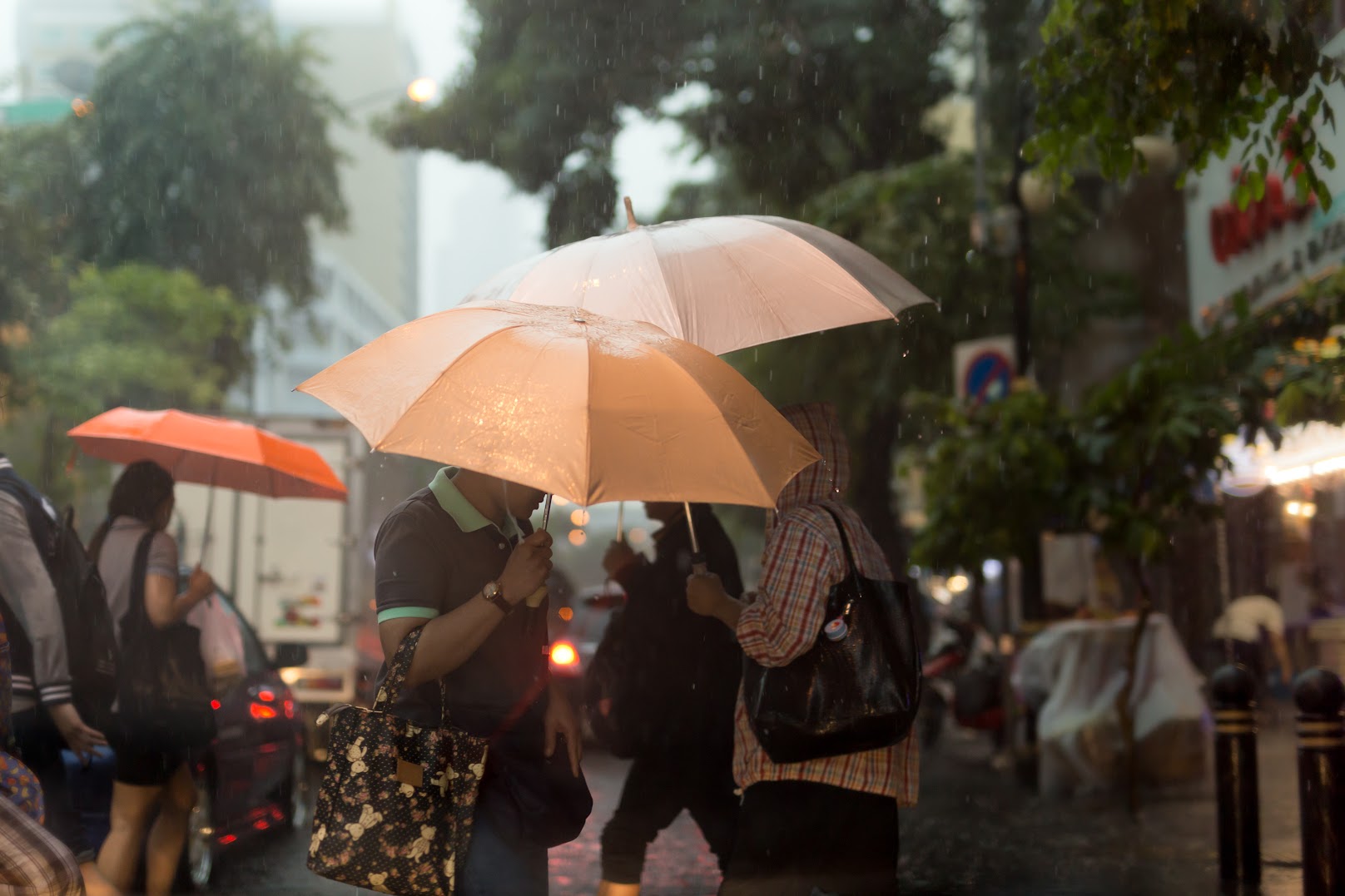
Spring (March to May) and autumn (September to November) are the sweet spot, warm and clear enough for hiking or temple-hopping. Typhoon season runs roughly June to September, so keep an eye on the forecast if you're travelling then. Winter is cooler and wetter in Taipei, but it's also peak hot spring season, so it's not all bad.
Must-Do's in Saudi Arabia
 1
Ride to the top of Taipei 101
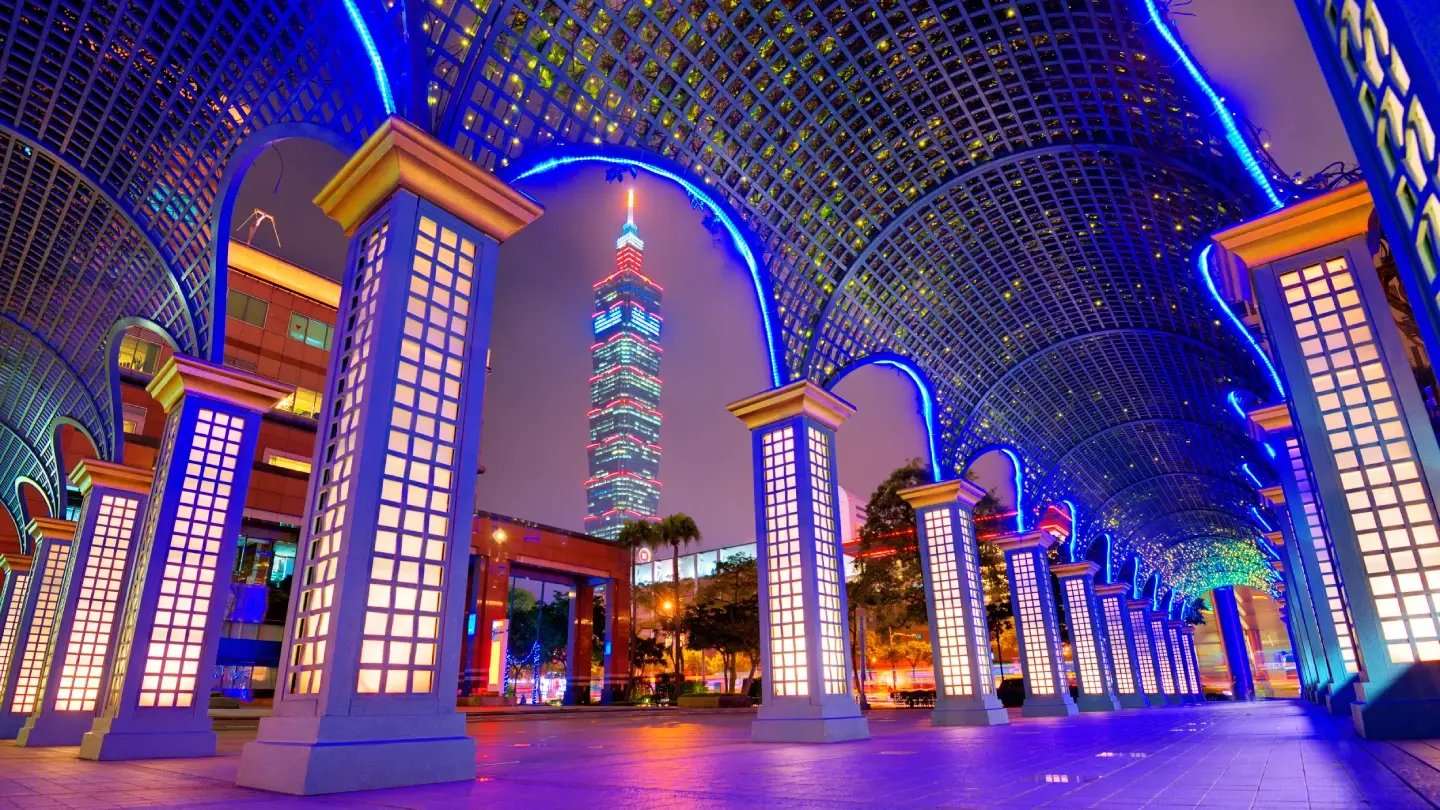
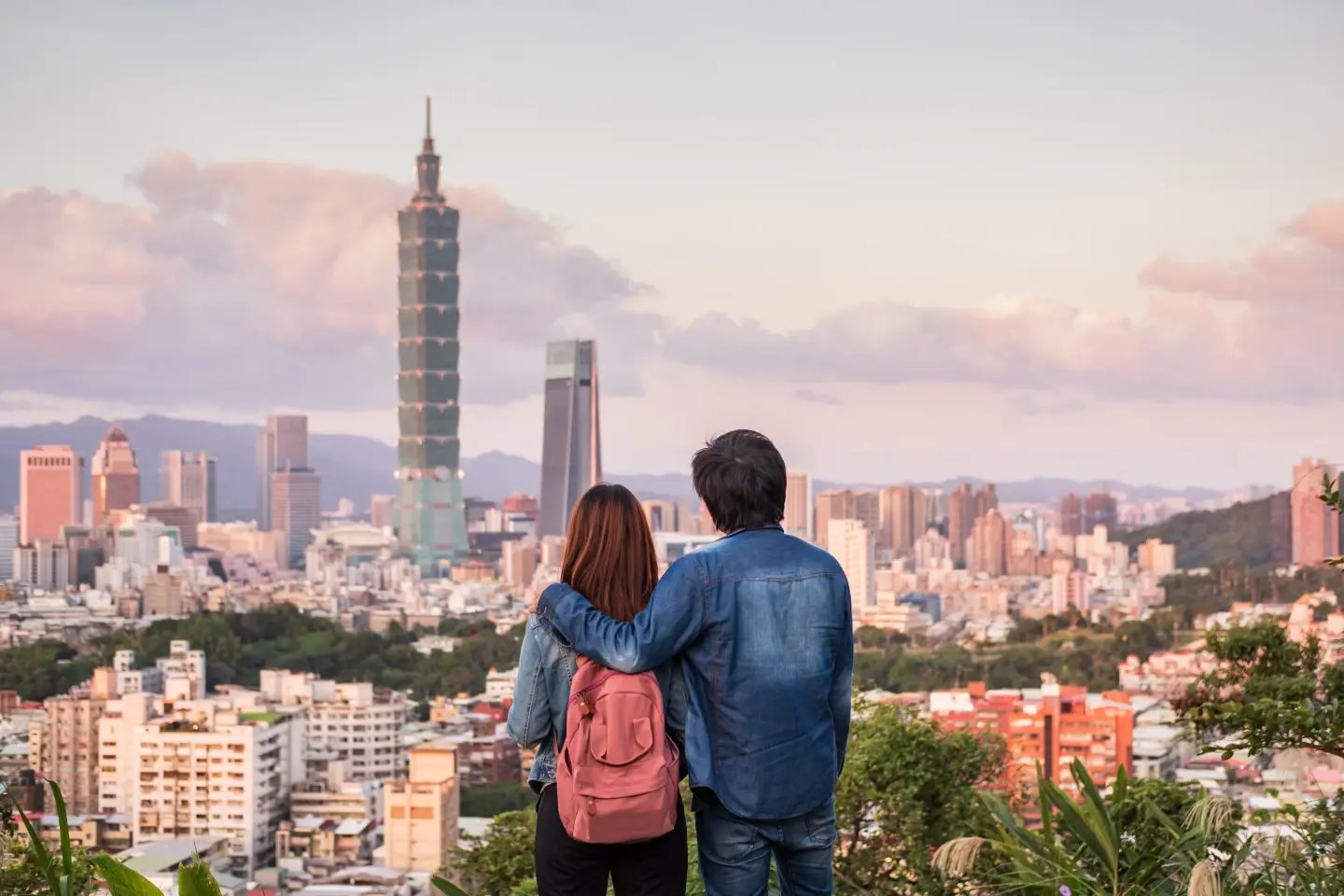
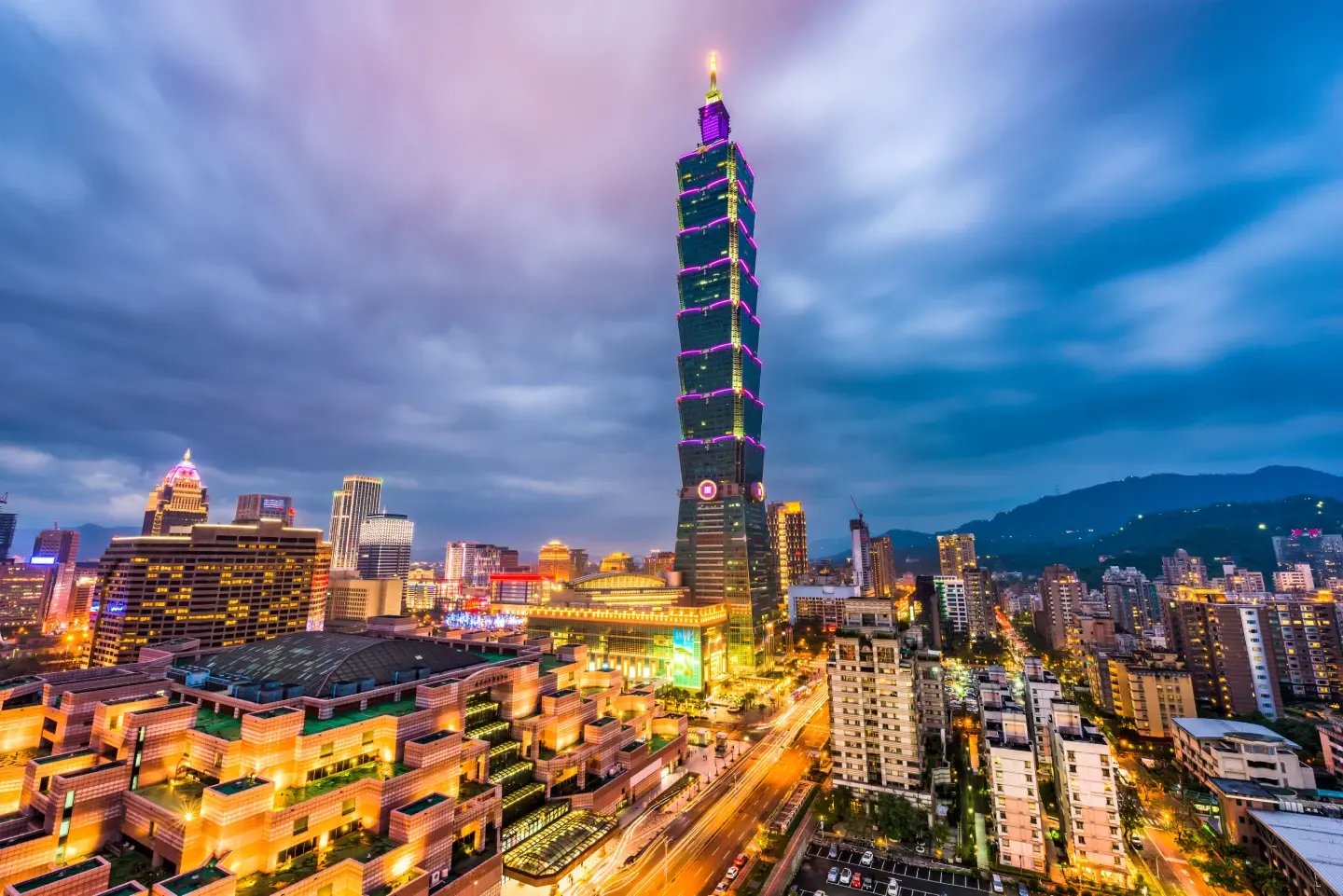
From 2004 to 2010, Taipei 101 held the title of the world's tallest building, and it's still one of Taiwan's most recognisable landmarks. The observation deck on the 89th floor gives you sweeping views across Taipei's basin, framed by mountains on almost every side. Time it for sunset if you can; watching the city's lights switch on beneath you is worth the ticket price alone. Cards work fine here, so it's an easy one to tick off without digging through your wallet.
 2
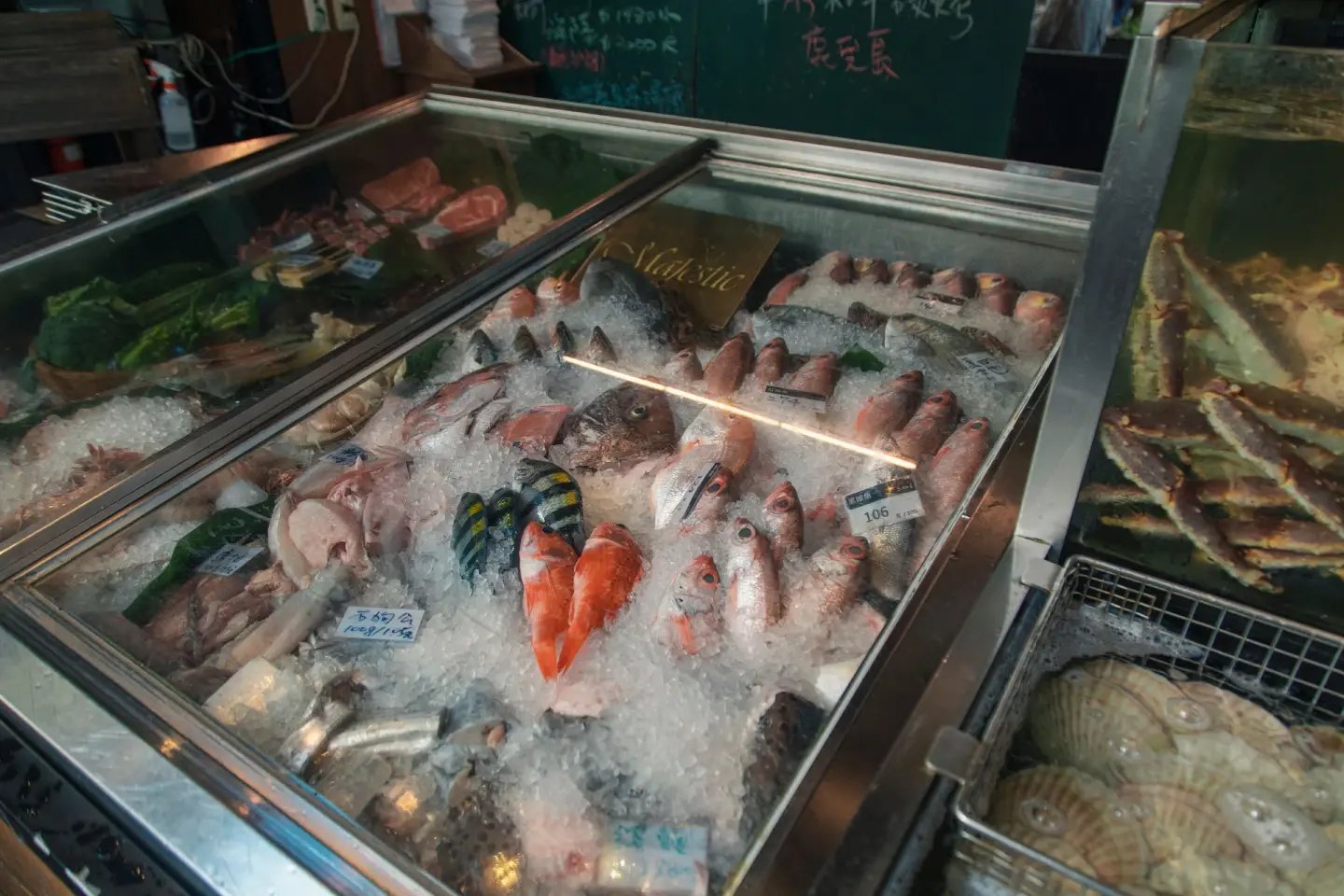
Feast your way through a night market
Shilin and Raohe are the big names in Taipei, but almost every city has its own version, and they're where Taiwan's food culture really comes alive. Think stinky tofu, oyster omelettes, bubble tea and skewers of just about everything, all for a few NT dollars a dish. Most stalls are cash-only, so arrive with a mix of NT$100 and NT$500 notes rather than one big bill. It's the one place in Taiwan where carrying the right denominations genuinely changes how much fun you have.
 3
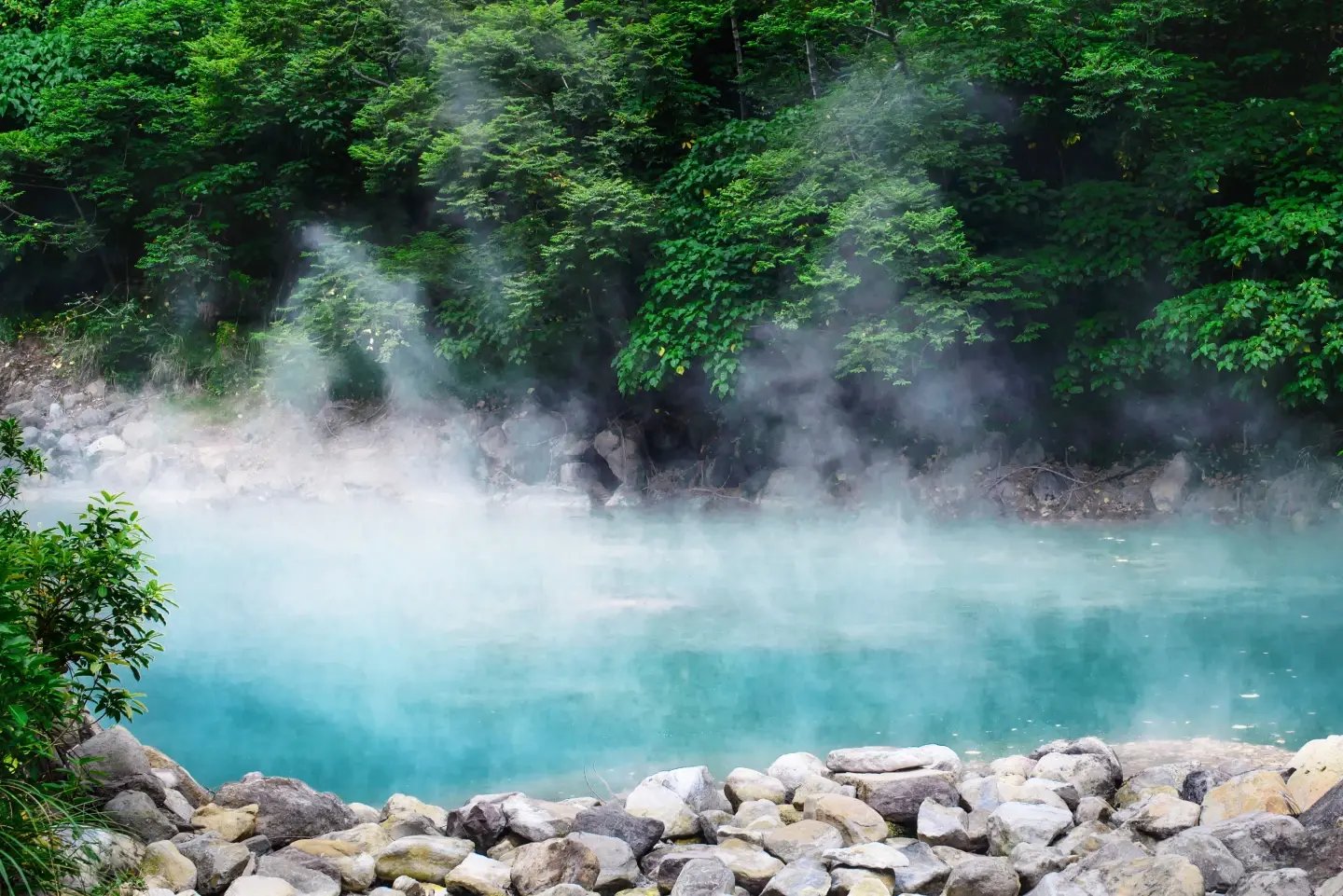
Soak in Beitou's hot springs
A short MRT (Mass Rapid Transit) ride from central Taipei, Beitou has been a hot spring town since the Japanese colonial era, and it still delivers. Public bathhouses are affordable and cash-friendly, while some of the fancier hotel spas take cards if you'd rather book ahead. Either way, it's a genuinely local experience that most first-time visitors miss, and the perfect way to unwind after a day on your feet.
 4
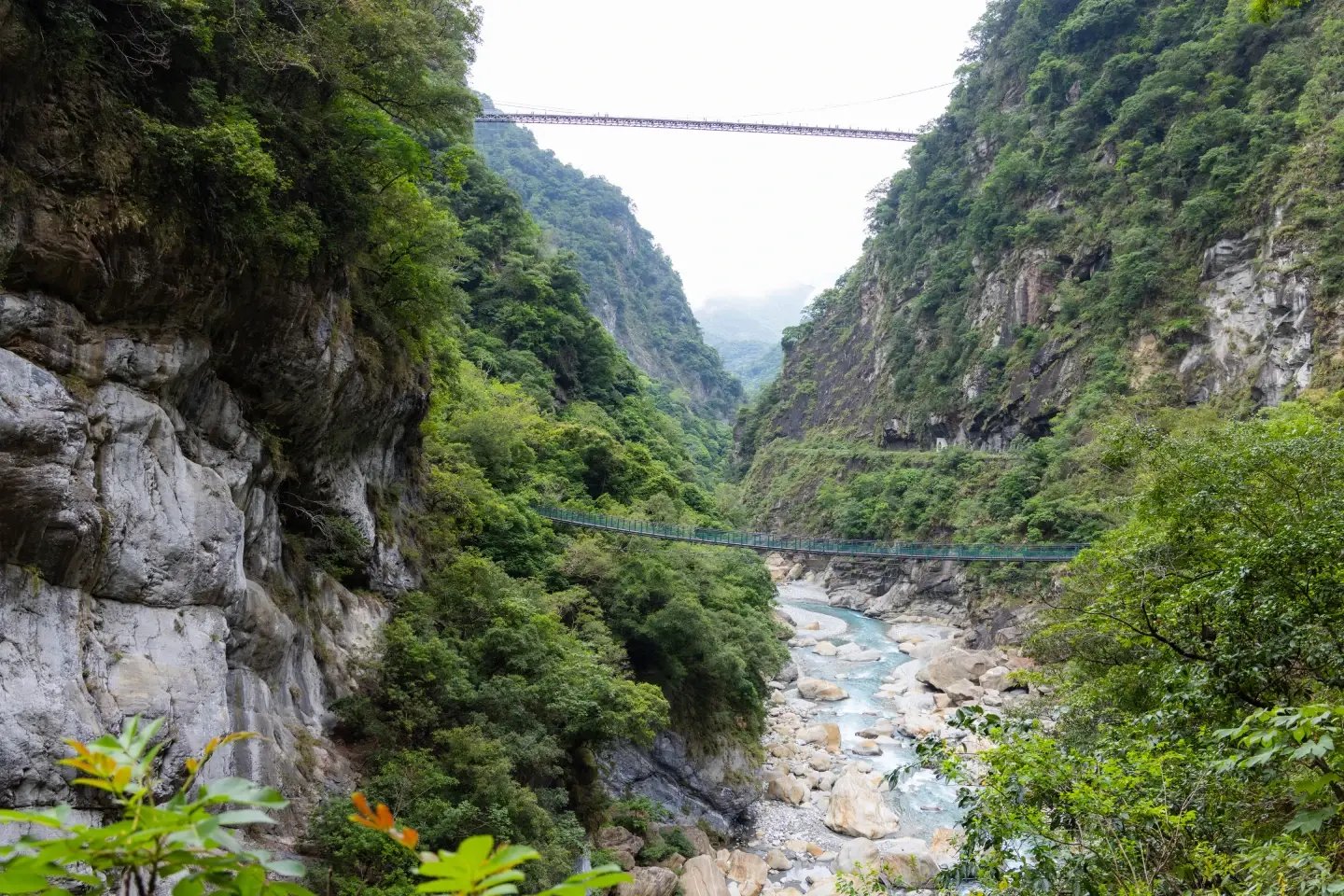
Hike through Taroko Gorge
On the east coast near Hualien, Taroko Gorge cuts through marble cliffs that are breathtaking. Small tour operators and roadside stalls out there run on cash, so it's worth carrying enough before you leave the city.
The visitor centre and Tianxiang area are open, and a scenic drive along the gorge road remains one of Taiwan's most memorable experiences. Many hiking trails, including Shakadang and the Tunnel of Nine Turns, are still closed for repair because of an earthquake in 2024, so check the Taroko National Park website before you go.
 5
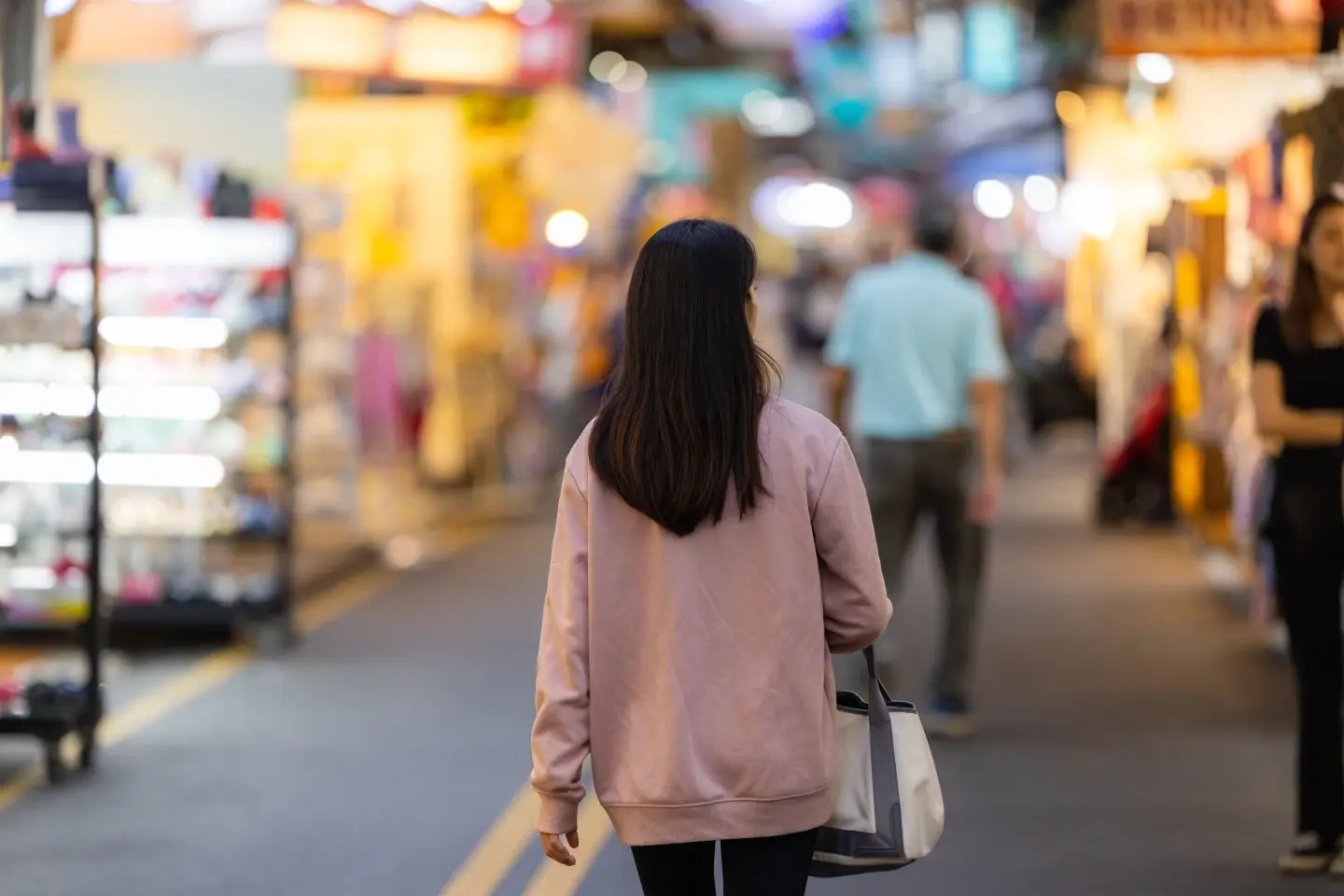
Wander Jiufen's lantern-lit old street
Perched in the hills above the coast, Jiufen is a former gold-mining town turned maze of narrow lanes, teahouses and red lanterns. It gets busy, but arrive early or stay for the evening glow and it's easy to see why people fall for it. Most of the teahouses and street snacks here are cash-only, so keep a decent stash of smaller notes on hand.
 6
Cruise Sun Moon Lake
In Taiwan's mountainous centre, Sun Moon Lake is exactly as calm and scenic as the name suggests. Boat tours cross the lake between temples and viewpoints, and the cycle path around the shoreline is regularly ranked among the best in the world. Boat tickets and bike rentals generally take cards, but the small food stalls near the docks are cash territory, so keep some TWD handy.