
Most popular
Japanese yenJPYUS dollarsUSDEurosEURIndonesian rupiahIDRThai bahtTHBVietnamese dongVNDBritish poundsGBPNew Zealand dollarsNZDAsia Pacific
Chinese yuanCNYFijian dollarsFJDHong Kong dollarsHKDIndian rupeesINRSouth Korean wonKRWMalaysian ringgitMYRPhilippine pesosPHPSingapore dollarsSGDNew Taiwan dollarsTWDPNG kinaPGKVanuatu vatuVUVEurope
Swiss francsCHFCzech korunaCZKDanish kroneDKKHungarian forintHUFIcelandic kronaISKNorwegian kroneNOKPolish zlotyPLNSwedish kronaSEKTurkish liraTRYAmericas, Middle East, Africa
UAE dirhamAEDCanadian dollarsCADMexican pesosMXNSouth African randZAREgyptian poundsEGPMoroccan dirhamMADQatari riyalQARBrazilian realBRLChilean pesosCLPAll 60+ currencies
Tell us about your trip. Your nearest store will call with a personalised quote during store hours.
Get a QuoteRates move throughout the day, so we call to give you the most up-to-date rate, not one that's already old.
Asia
CambodiaKHRChinaCNYHong KongHKDIndiaINRIndonesiaIDRJapanJPYMalaysiaMYRNepalNPRPakistanPKRPhilippinesPHPSingaporeSGDSouth KoreaKRWSri LankaLKRTaiwanTWDThailandTHBVietnamVNDEurope
AustriaEURCroatiaEURCzech RepublicCZKFranceEURGermanyEURGreeceEURIrelandEURItalyEURNetherlandsEURPortugalEURSpainEURSwitzerlandCHFUnited KingdomGBP All of EuropeAmericas
ArgentinaARSBrazilBRLCanadaCADChileCLPColombiaCOPJamaicaJMDMexicoMXNPeruPENUnited StatesUSD South AmericaAfrica
EgyptEGPMoroccoMADSouth AfricaZAREach guide tells you what cash to carry, how much, and where cards fall short.
All Destination Guides
Nepal Currency Guide
Checking the Australian dollar to Nepali rupee rate before your flight? Nepalese and Indian rupees share a name and a fixed exchange rate, but they're not interchangeable, and Nepal restricts which Indian notes it'll accept. The Nepalese rupee (NPR) is the only currency that matters once you land. Beyond the money question, Nepal delivers Himalayan giants, ancient temples, and trekking routes where teahouses take cash only. It's worth sorting your currency before you fly.

Taking Travel Money to Nepal
Exchange your Australian dollars for Nepalese rupees before you fly, not after you land. Touching down with Rupees already in your wallet means you can pay for your airport taxi, grab a local SIM and settle into Kathmandu without hunting around for a good exchange rate. Convert AUD to NPR before you leave so you can go even further into the Himalayas.
Should I exchange AUD to Nepalese rupee before leaving Australia?
Yes, especially if you're trekking. Kathmandu and Pokhara have ATMs, but they're unreliable and regularly out of cash and become less frequent on the routes into Everest and Annapurna. Sort your Nepalese rupees before you fly, so you're not stuck at 3,000 metres hoping a machine has money in it. Crown Currency stocks NPR across 67+ stores nationwide with no fees and no commission, so there's genuinely no reason to leave it to chance.
Can I use cards in Nepal?
In Kathmandu and Pokhara's tourist strips, you can usually use your card, though rejections can still happen. Once you're on the trail to Everest Base Camp or around the Annapurna Circuit, cash is the only option, full stop. Teahouses, permit checkpoints and lodges don't have card machines, so budget accordingly. Pop into one of our stores before you go and our team will sort you with the right denominations for your trip.
How much cash should I carry for trekking in Nepal?
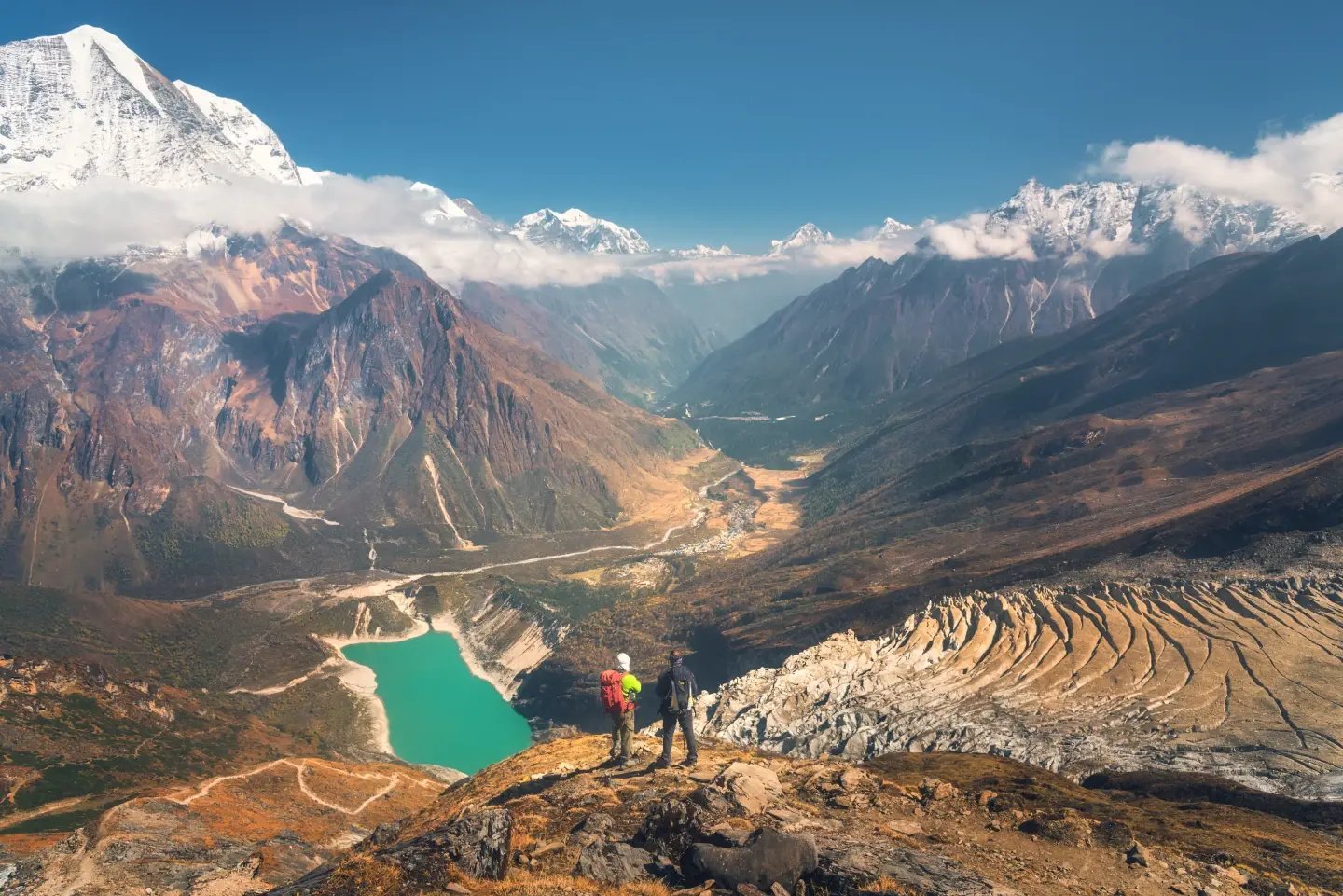
Plan on roughly Rs 3,000 to 5,000 a day on the trail for teahouse beds and meals, more if you're going all in on hot showers and wifi. Carry enough rupees for your entire trek plus a buffer, because ATM access thins out fast past Namche Bazaar or Manang, and there's nowhere to top up once you're deep in. Not sure what that adds up to for your trip? Try our HolidAi Budget Planner to map it out based on your travel style and trip length.
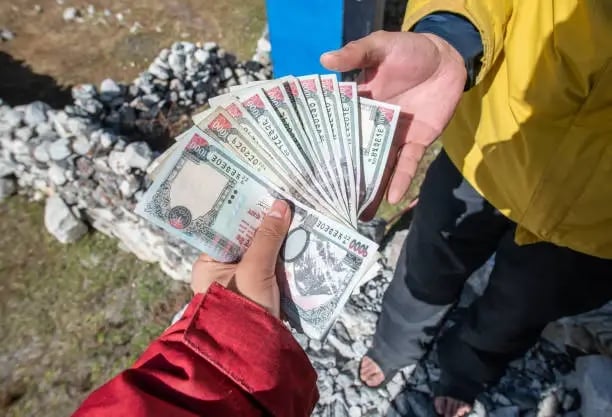
Are USD or AUD accepted in Nepal?
Not reliably. Nepalese rupees are what you need for day-to-day spending, and taxis, tea and market stalls are rupees only. Some hotels, airlines and trekking agencies will take US dollars, provided the notes are clean and undamaged, but it isn't something to plan around. The exception is the visa on arrival at Kathmandu airport, where the fee is quoted in US dollars (USD 30 to 125 depending on stay length) and must be paid in cash. Australian dollars are accepted at that counter too, so there's no need to source USD specially. Everything past immigration is easier with rupees already sorted.
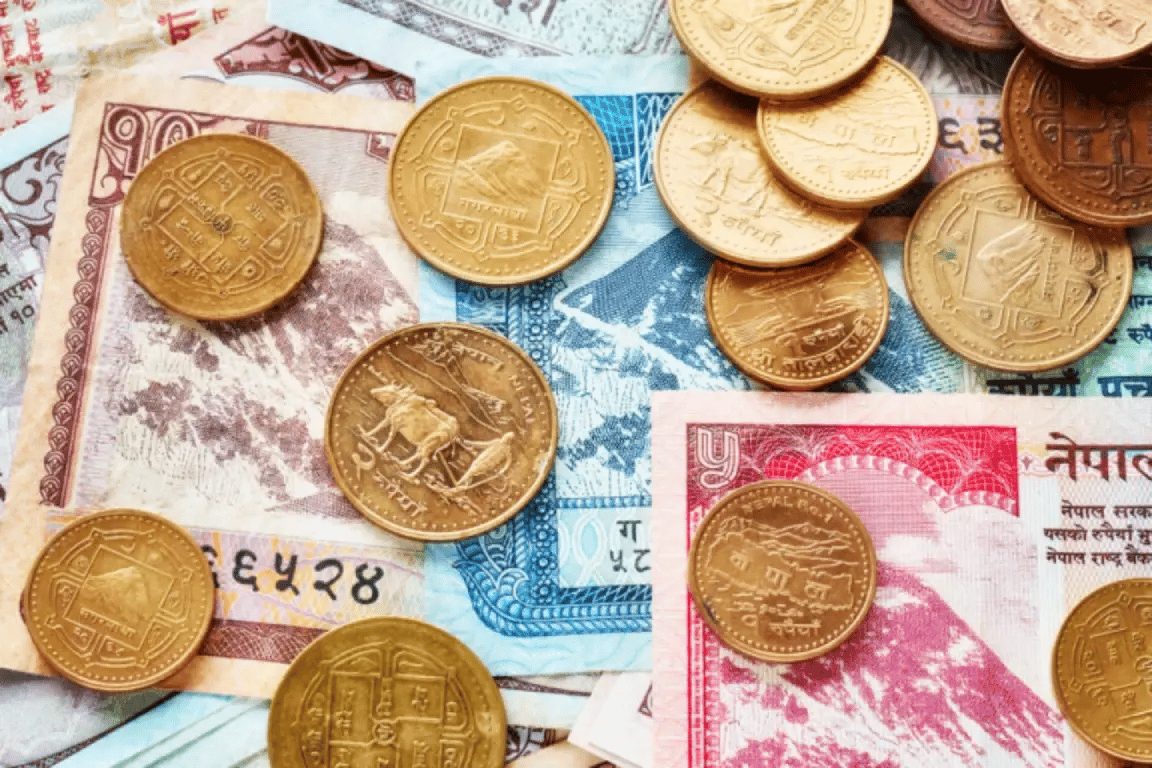
What denominations should I carry in Nepal?
A mix of Rs 1,000 and 500 notes covers bigger costs like accommodation and permits, while smaller Rs 100 and 50 notes matter for tips, tea and small vendors who can't always break a big note. We've been giving this kind of denomination advice for over 20 years, so if you're unsure what mix to order, just ask before you fly out.
Must-Do's in Nepal
 1
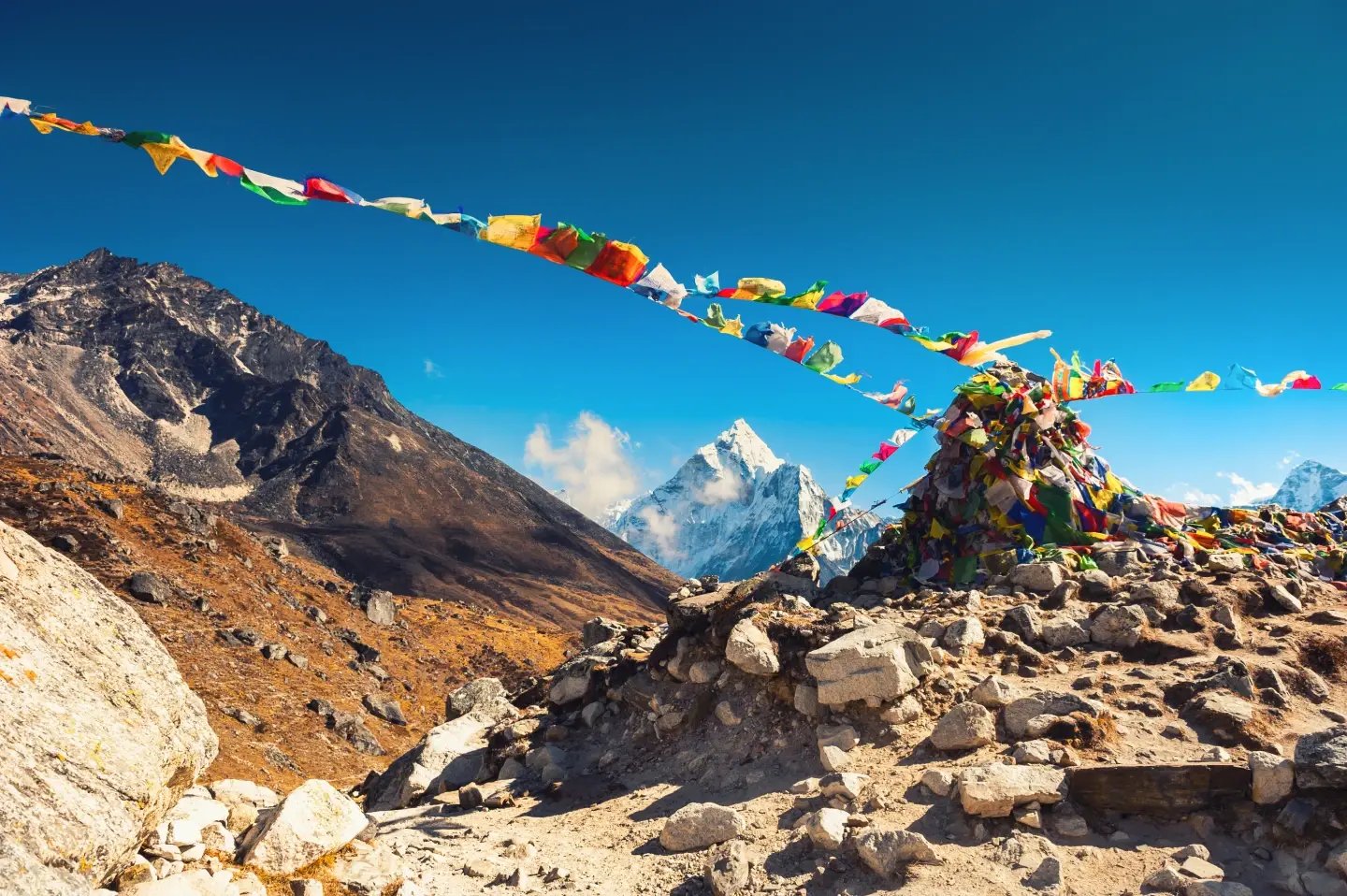
Trek to Everest Base Camp
Everest Base Camp is the trek people build entire trips around, and for good reason. You'll pass through Sherpa villages, cross swinging bridges over glacial rivers, and watch Everest itself come into view somewhere past Namche Bazaar. It's also the single best argument for sorting your currency before you leave home. Once you're past Namche Bazaar, ATMs stop being a safety net (some villages have none at all), and every teahouse, permit checkpoint and cup of tea wants Nepalese rupees in cash. Budget two to three weeks depending on your route, and carry more rupees than you think you'll need.
 2
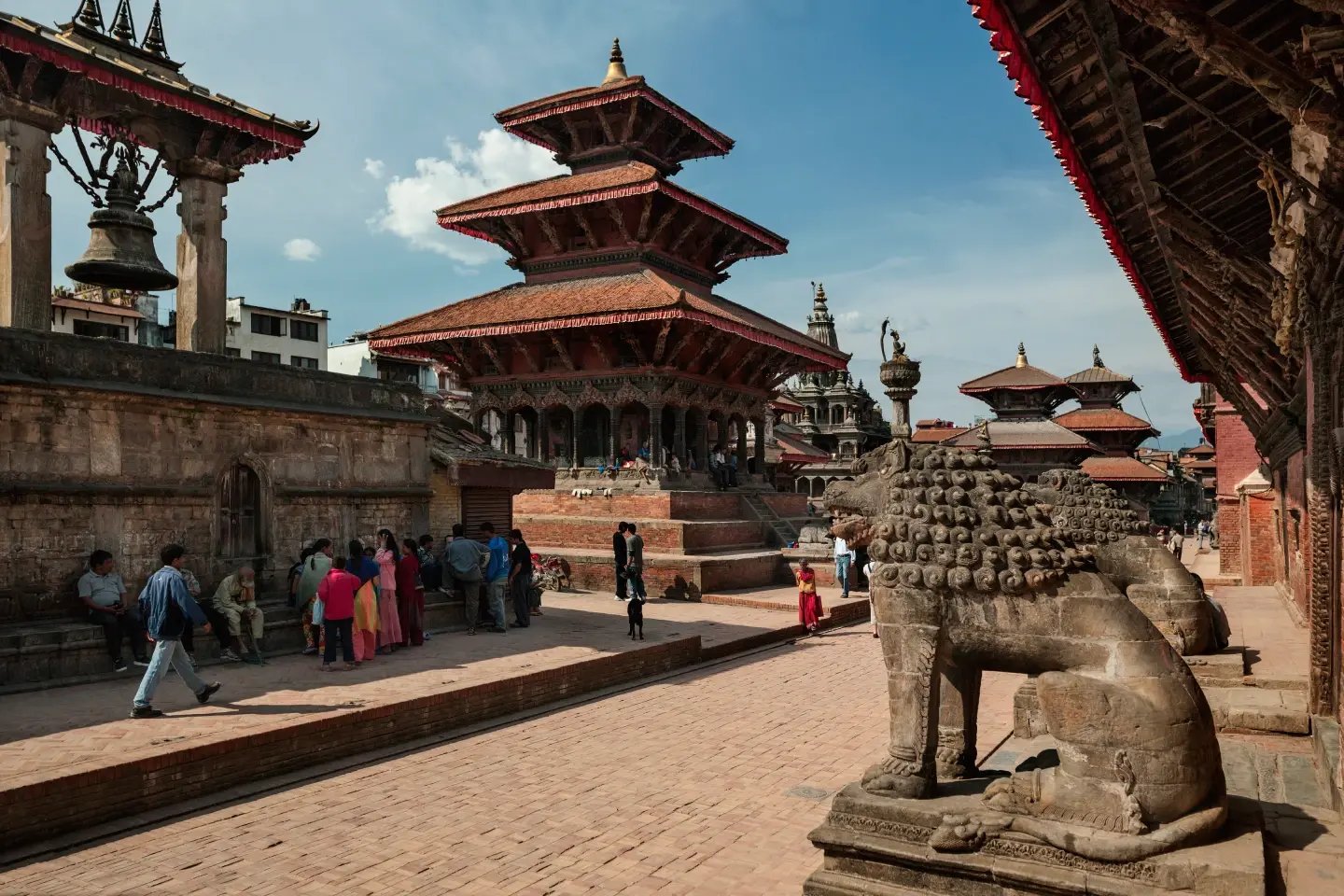
Wander Kathmandu's Durbar Square
Durbar Square is where Kathmandu's history sits out in the open: pagoda temples, carved wooden windows and a former royal palace, all packed into one plaza that's been rebuilt more than once after earthquakes. Give yourself a couple of hours to wander without a plan, ideally early morning before the tour groups arrive. Entry costs a small fee, around 1,000 rupee, for foreign visitors, payable at the gate].
 3
Paraglide over Pokhara and Phewa Lake
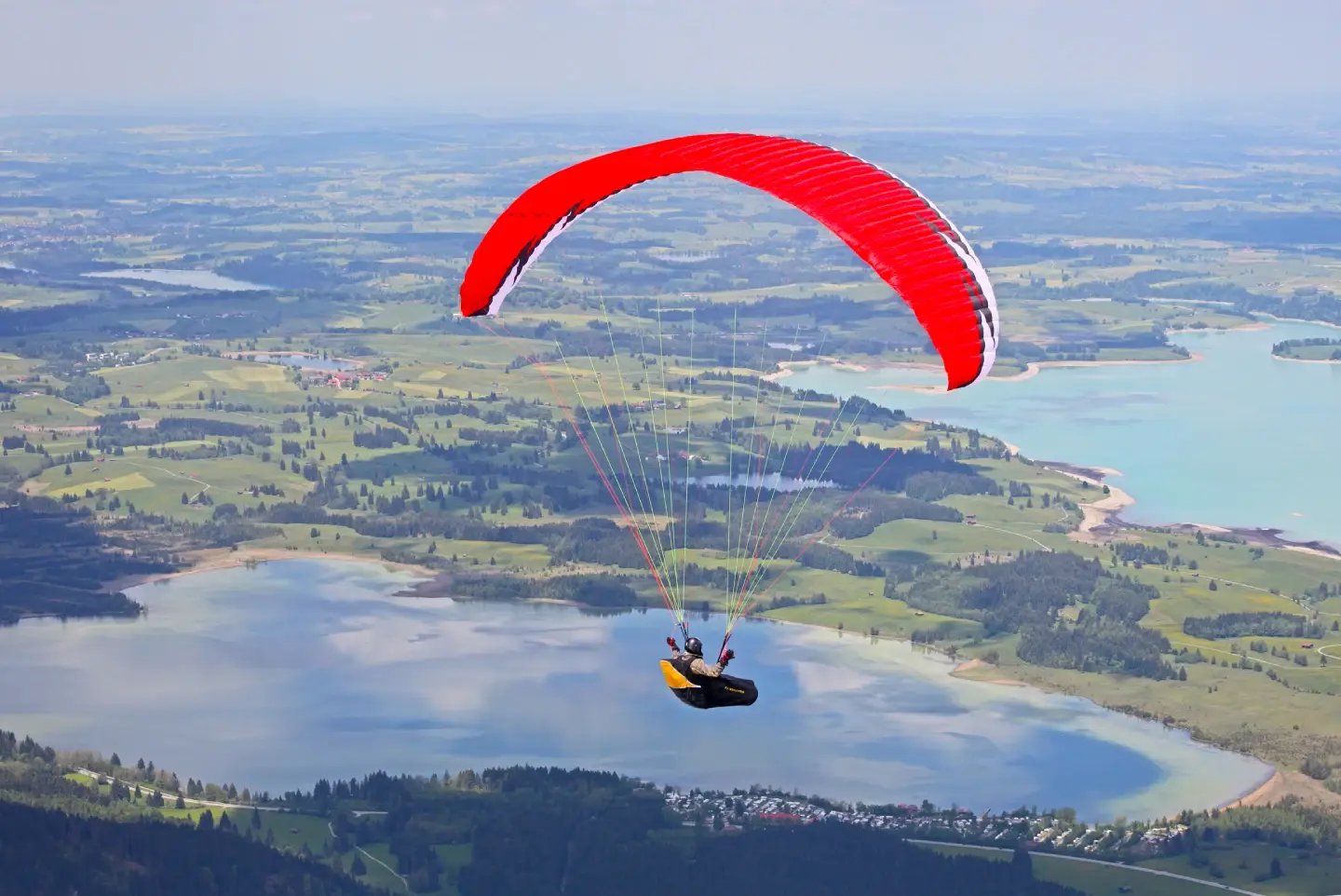
Pokhara is Nepal's answer to a slower pace, a lakeside town where you can paraglide off Sarangkot in the morning and be sipping coffee by Phewa Lake an hour later. On a clear day the Annapurna range sits right behind you in every photo, which is most of the appeal. It's also the last real city before most Annapurna treks begin, so it's a smart place to stock up on cash if you're heading into the mountains, since options thin out fast once you leave town.
 4
Spot rhinos on safari in Chitwan National Park
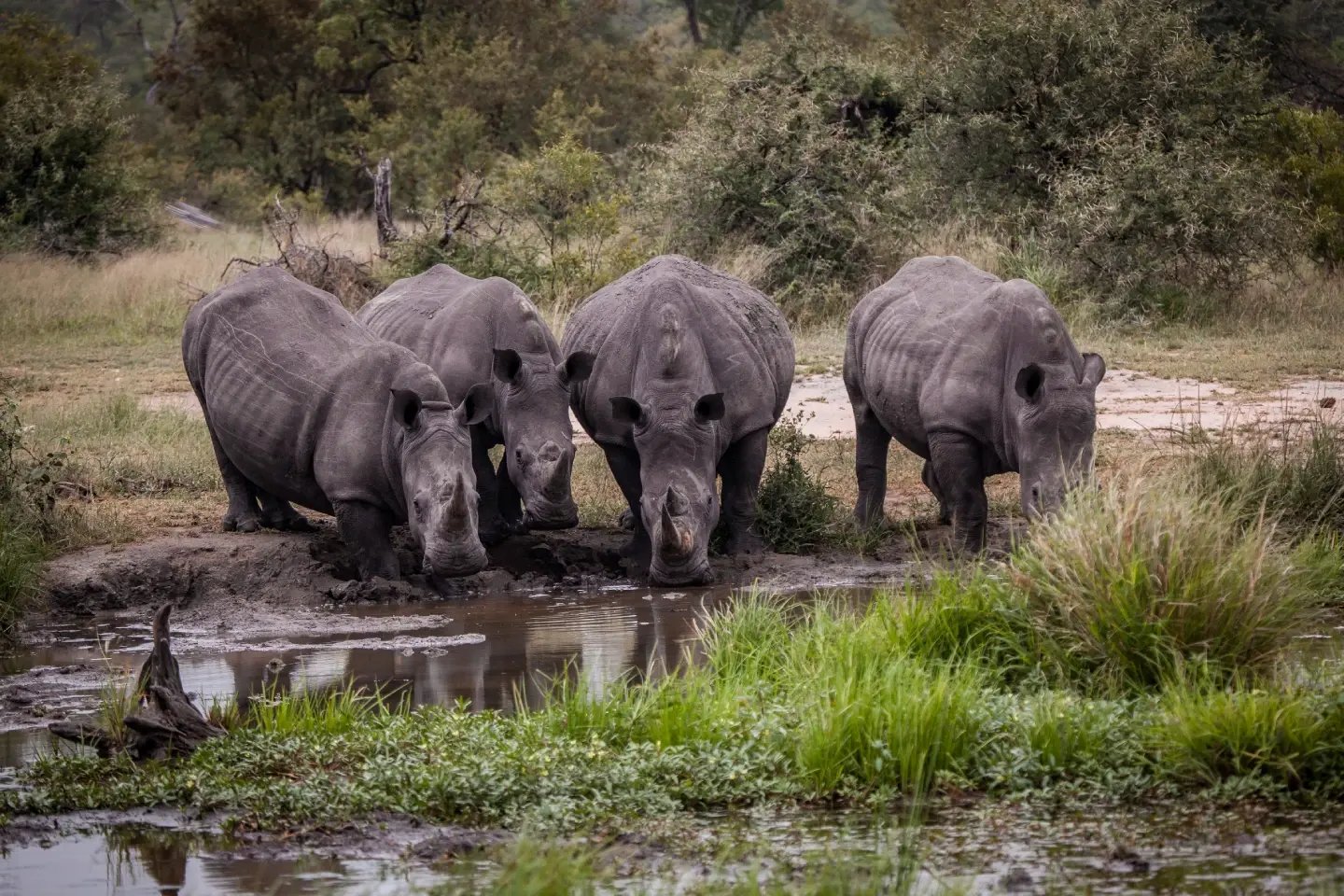
Swap altitude for jungle in Chitwan National Park, home to one-horned rhinos, wild elephants and, if you're lucky and patient, the odd Bengal tiger sighting. Jeep safaris, canoe rides and guided jungle walks run out of Sauraha, the small town bordering the park. It's a proper change of pace from the mountains, warm, green and slower moving. Core safari routes close every year during monsoon season (roughly July to September), so aim either side of that, and it's worth checking current road access from Kathmandu before you travel, since the route runs alongside river systems that can flood.
 5
Watch sunset at Boudhanath Stupa
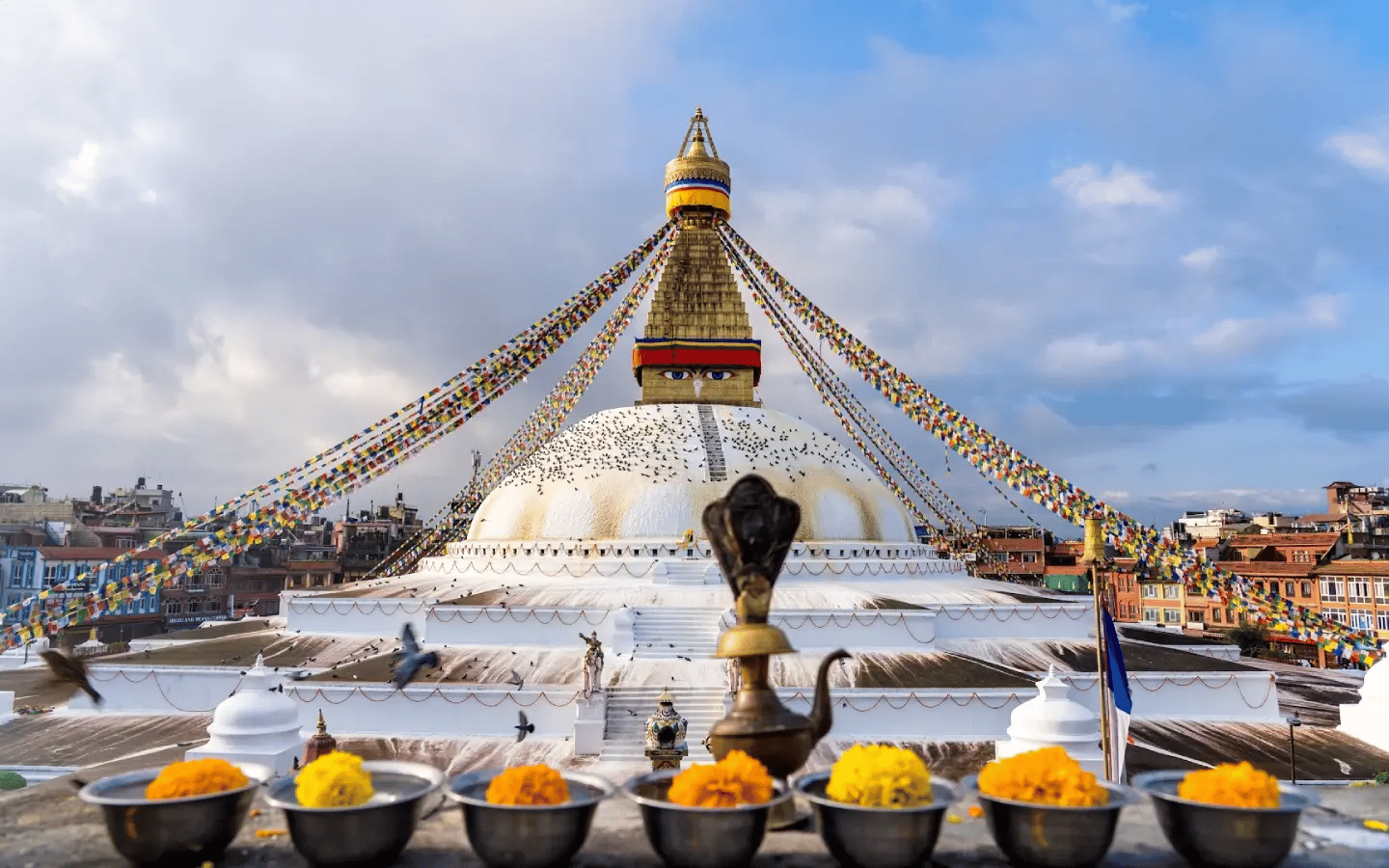
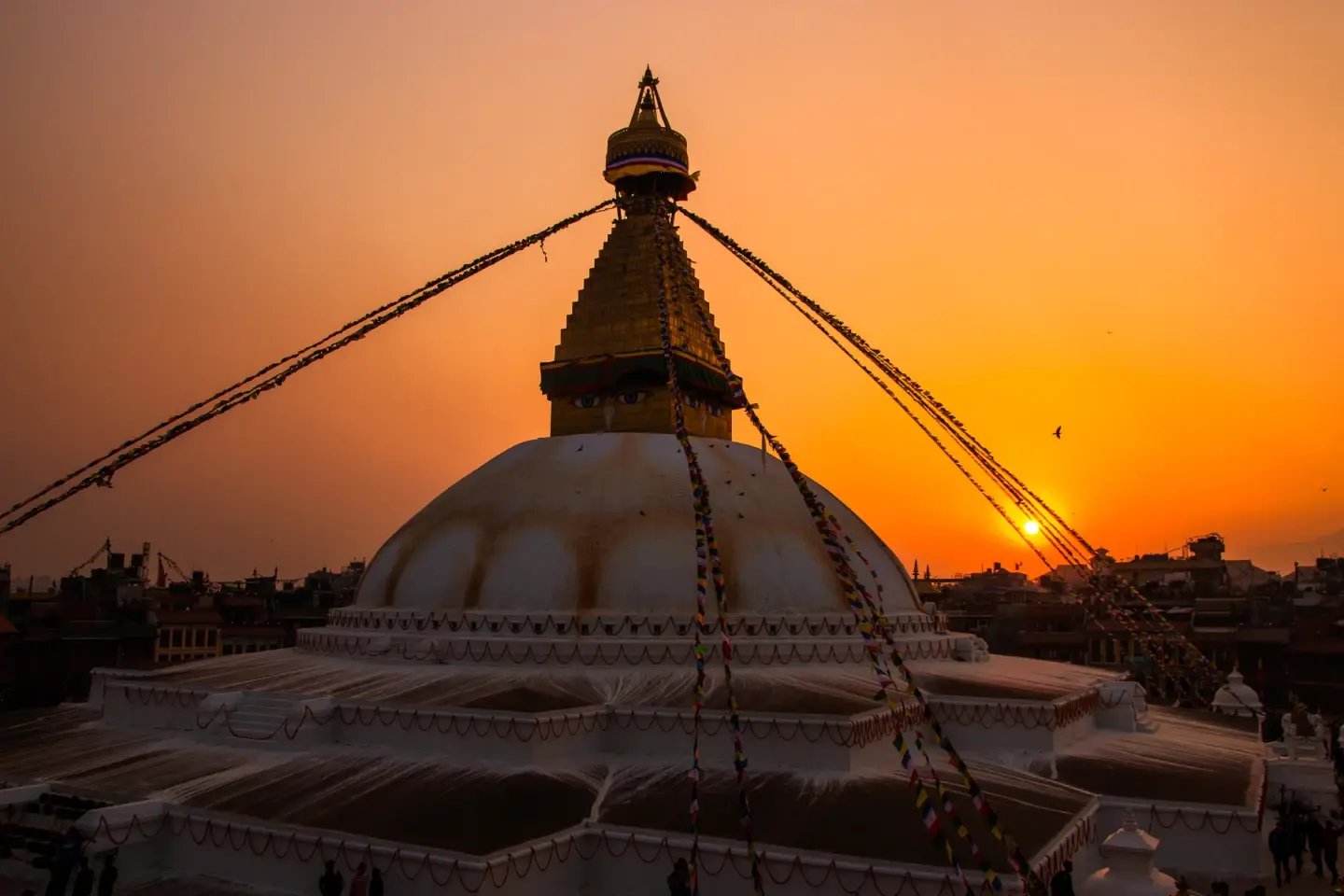
Boudhanath is one of the largest stupas in the world and one of the most peaceful spots in Kathmandu once the afternoon heat breaks. Locals and monks walk clockwise around the base doing kora, spinning prayer wheels as they go, while the surrounding cafes are perfect for watching the light change over the dome. It's an easy taxi ride from Thamel and a good one to slot in on a slower day between trekking or sightseeing elsewhere in the valley.
 6
Eat your way through Thamel's dal bhat and momo scene
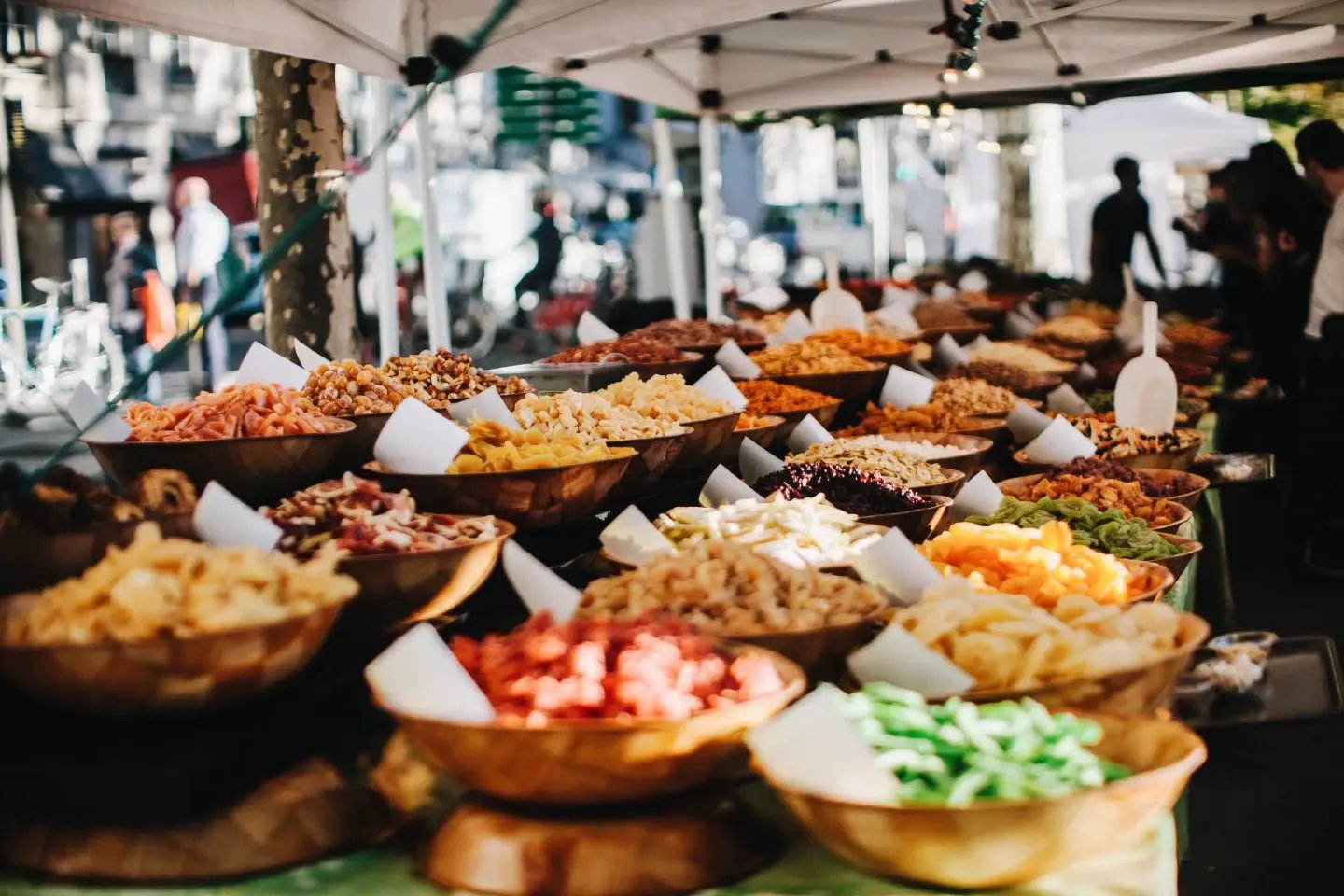
Nepali food doesn't get enough credit outside the trekking crowd. Dal bhat, the lentil, rice and vegetable set that fuels most treks, is filling, cheap and usually comes with free refills. Momos, Nepal's dumplings, show up everywhere from street stalls to sit-down restaurants in Thamel. Most local spots are cash only and prices are genuinely low, think a few hundred rupees for a full meal, so this is where having a decent stash of smaller Nepalese rupee notes actually pays off.