
Most popular
Japanese yenJPYUS dollarsUSDEurosEURIndonesian rupiahIDRThai bahtTHBVietnamese dongVNDBritish poundsGBPNew Zealand dollarsNZDAsia Pacific
Chinese yuanCNYFijian dollarsFJDHong Kong dollarsHKDIndian rupeesINRSouth Korean wonKRWMalaysian ringgitMYRPhilippine pesosPHPSingapore dollarsSGDNew Taiwan dollarsTWDPNG kinaPGKVanuatu vatuVUVEurope
Swiss francsCHFCzech korunaCZKDanish kroneDKKHungarian forintHUFIcelandic kronaISKNorwegian kroneNOKPolish zlotyPLNSwedish kronaSEKTurkish liraTRYAmericas, Middle East, Africa
UAE dirhamAEDCanadian dollarsCADMexican pesosMXNSouth African randZAREgyptian poundsEGPMoroccan dirhamMADQatari riyalQARBrazilian realBRLChilean pesosCLPAll 60+ currencies
Tell us about your trip. Your nearest store will call with a personalised quote during store hours.
Get a QuoteRates move throughout the day, so we call to give you the most up-to-date rate, not one that's already old.
Asia
CambodiaKHRChinaCNYHong KongHKDIndiaINRIndonesiaIDRJapanJPYMalaysiaMYRPakistanPKRPhilippinesPHPSingaporeSGDSouth KoreaKRWSri LankaLKRTaiwanTWDThailandTHBVietnamVNDEurope
AustriaEURCroatiaEURCzech RepublicCZKFranceEURGermanyEURGreeceEURIrelandEURItalyEURNetherlandsEURPortugalEURSpainEURSwitzerlandCHFUnited KingdomGBP All of EuropeAmericas
ArgentinaARSBrazilBRLCanadaCADChileCLPColombiaCOPJamaicaJMDMexicoMXNPeruPENUnited StatesUSD South AmericaAfrica
EgyptEGPMoroccoMADSouth AfricaZAREach guide tells you what cash to carry, how much, and where cards fall short.
All Destination GuidesThe Real Cost of a Gap Year (And How to Fund It).
A two-week holiday only needs a spending float. A gap year of travel needs a bit more runway. You need a budget that can carry you across three, six, maybe twelve months and however many countries you end up falling in love with along the way.
The good news is that working out how much money you need for a gap year is a lot more straightforward than it sounds. It mostly comes down to two things: how long you're away for and where you're spending most of your time.

How Much Money Do You Need for a Gap Year?
"Gap year" is really just a fancy name for taking off for a while: three months, twelve, whatever suits you. It doesn't have to mean a year on the calendar, just time away with no return date pinned to a specific week. However long yours runs, the total mostly comes down to your daily spend multiplied by the time you're away. Three months in Vietnam at around $55 AUD a day comes to roughly $5,000 on the ground, while a full year of nine months in Southeast Asia and three in Europe lands somewhere around $27,000 to $45,000, before flights and insurance.
Spend most of your time in Southeast Asia and a shoestring budget runs from around $55 AUD a day in Vietnam to closer to $100 in Thailand, covering a bed, good food and getting around.
Add a stretch through Europe and your daily spend picks up, from around $130 AUD a day on a hostel budget in Italy to nearer $195 in France once accommodation and transport catch up with local prices.
Think of your gap year budget as a monthly number that shifts with every new region, rather than one giant total to save up front. It's far easier to plan around, and far less scary. Not sure where your route lands in that range? The HolidAi Budget Planner maps it out for you before you even leave home.
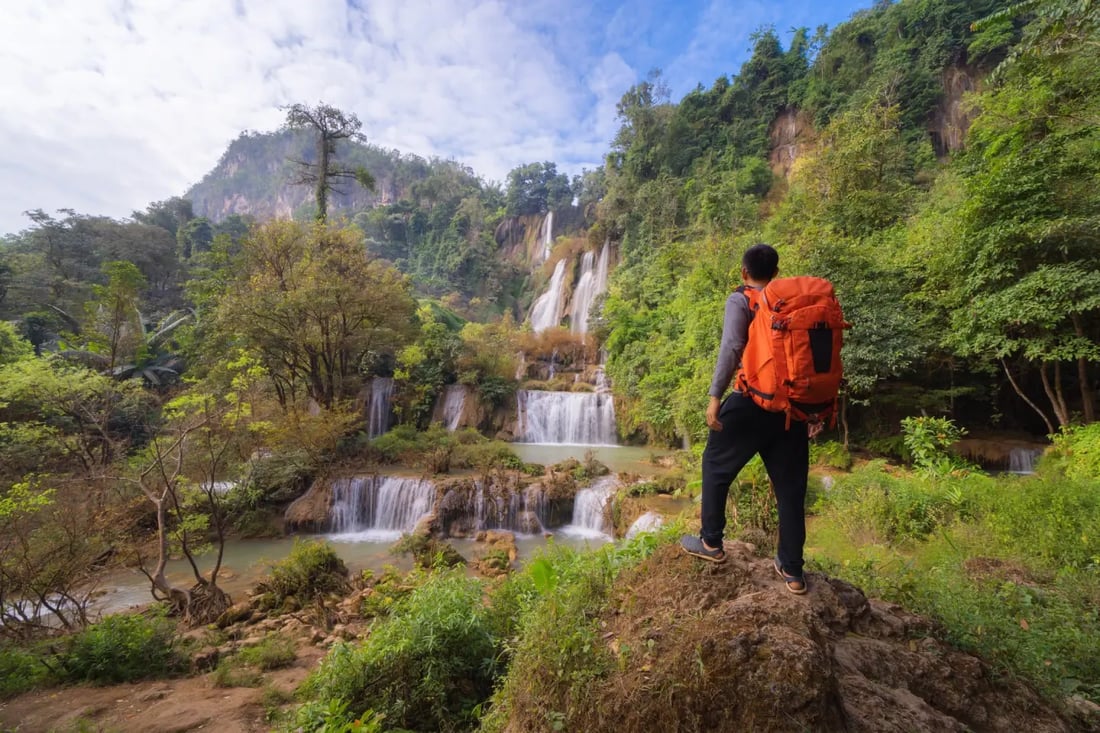
Backpacking Budget for Southeast Asia
Southeast Asia earns its reputation as home to some of the cheapest countries for a gap year, and it's a big reason long trips are so doable in the first place. Thailand, Vietnam, Cambodia, Laos, Indonesia and the Philippines all sit along the same well-loved backpacker route. A backpacking budget for Southeast Asia starts at around $55 AUD a day in Vietnam for a dorm bed, street food and local buses, while Thailand sits closer to $100 AUD for a similar style of travel.
Bump that up to around $110 AUD a day in Vietnam, or closer to $210 in Thailand, and you're travelling with a bit more breathing room: a private room instead of a dorm, plus the odd day tour without stressing about it. Where you land in that range comes down to your travel style as much as your destination.
It's also worth planning a few months here early on. Southeast Asia is affordable enough that time spent in the region can balance out a pricier stretch through Europe or Australia later in the trip.

Managing Cash Across Multiple Countries
Gap years don't stick to one country, so your cash plan shouldn't either. Sort your starting cash at Crown Currency Exchange before you leave. With 60+ currencies on hand in one visit, you can grab a stash for each country on your route in a single stop, then top up as you go. No commission, no hidden fees, so what you exchange is exactly what you get.
We don't recommend completely loading up on cash and carrying it all at once. That's asking for trouble. A sensible amount per leg does the job. And if you're not sure what "sensible" looks like across five different countries, that's exactly what our in-store team is there for. Tell them your route and they'll help you land on the right denominations and rough figures for each stop.

Worth grabbing some US dollars too. They're widely used in Cambodia and accepted in parts of Central America and the Pacific, so they're a solid backup when you're bouncing between currencies. Cards and ATMs will cover you for top-ups on the road. Just don’t get ripped off with foreign transaction fees and withdrawal charges, which sneak up on you over months of pulling cash out every few days.
Turning Months of Travel Into a Plan
Planning money for a two-week trip is easy. A year on the road deserves a slightly better plan, mostly so you can actually relax and enjoy it instead of doing mental maths every time you check your balance.

It's also worth remembering what that money actually buys you. Cash is what lets a gap year stay spontaneous. It's saying yes to the last-minute boat trip a fellow traveller mentions over breakfast, hopping off the bus a town early because the view looked too good to pass up, or following a local's tip to the noodle stall with no sign and no card machine. The best stories from a gap year start with an unplanned detour with new friends, and those only happen if you're not stuck scrambling for card coverage or the nearest ATM.
Sort your starting currency before you fly, at one of Crown Currency Exchange's 67+ stores across Australia, with no commission or fees eating into the budget you've worked hard to put together. Your travel money should be the easy part. A gap year is an incredible adventure and we want to help you go even further than before.