Most popular
Japanese yenJPYUS dollarsUSDEurosEURIndonesian rupiahIDRThai bahtTHBVietnamese dongVNDBritish poundsGBPNew Zealand dollarsNZDAsia Pacific
Chinese yuanCNYFijian dollarsFJDHong Kong dollarsHKDIndian rupeesINRSouth Korean wonKRWMalaysian ringgitMYRPhilippine pesosPHPSingapore dollarsSGDNew Taiwan dollarsTWDPNG kinaPGKVanuatu vatuVUVEurope
Swiss francsCHFCzech korunaCZKDanish kroneDKKHungarian forintHUFIcelandic kronaISKNorwegian kroneNOKPolish zlotyPLNSwedish kronaSEKTurkish liraTRYAmericas, Middle East, Africa
UAE dirhamAEDCanadian dollarsCADMexican pesosMXNSouth African randZAREgyptian poundsEGPMoroccan dirhamMADQatari riyalQARBrazilian realBRLChilean pesosCLPAll 60+ currencies
Tell us about your trip. Your nearest store will call with a personalised quote during store hours.
Get a QuoteRates move throughout the day, so we call to give you the most up-to-date rate, not one that's already old.
Asia
CambodiaKHRChinaCNYHong KongHKDIndiaINRIndonesiaIDRJapanJPYMalaysiaMYRPakistanPKRPhilippinesPHPSingaporeSGDSouth KoreaKRWSri LankaLKRThailandTHBVietnamVNDEurope
AustriaEURCroatiaEURCzech RepublicCZKFranceEURGermanyEURGreeceEURIrelandEURItalyEURNetherlandsEURPortugalEURSpainEURSwitzerlandCHFUnited KingdomGBP All of EuropeAmericas
ArgentinaARSBrazilBRLCanadaCADChileCLPJamaicaJMDMexicoMXNPeruPENUnited StatesUSD South AmericaAfrica
EgyptEGPMoroccoMADSouth AfricaZAREach guide tells you what cash to carry, how much, and where cards fall short.
All Destination GuidesSomebody you know has said it, probably right after opening a power bill. “Stuff it, I’m moving to Dubai.”
For a growing number of Aussies, it’s stopped being a joke. Sunshine and a payslip without income tax have turned plenty of holidays into quiet test runs. A luxury trip practically plans itself, but a test run needs intention, and since the weather won’t sway anyone (it’s hot, but you’ll cope), money ends up deciding it. That starts with your Dubai currency.
Same dirham, two very different trips
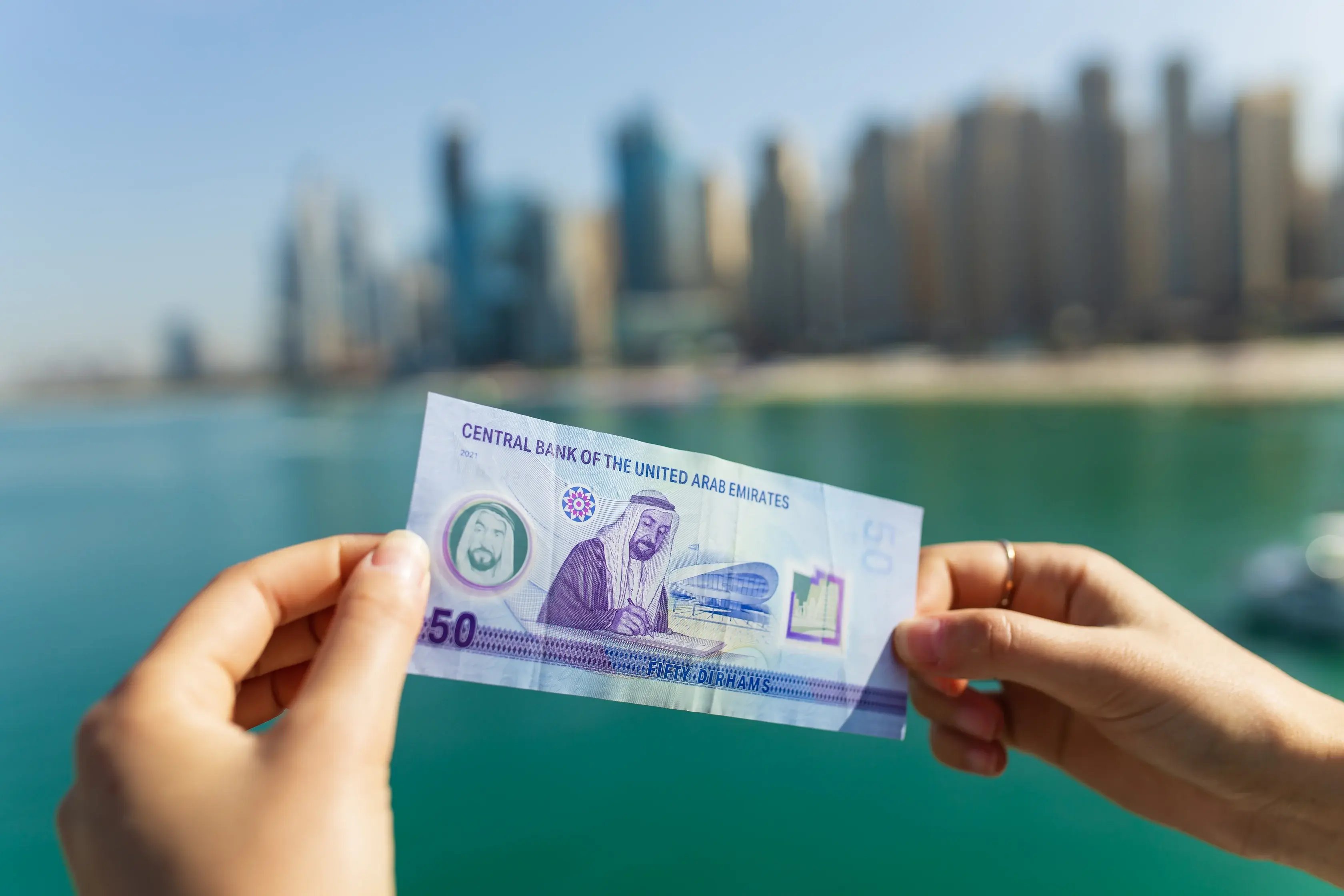
So what currency does Dubai use? The UAE dirham (AED), which is also the currency in Abu Dhabi and every other emirate. It’s pegged to the US dollar, so the AUD to UAE dirham rate rides on how the Aussie dollar is travelling against the greenback. It’s worth a glance before you buy, especially for a longer stay.
Five-star Dubai runs on tap (and tips)
If this is the holiday version, go all in. Say yes to the yacht, the desert dinner and the brunch at the beach club that never ends. Dubai was built for exactly that, and your card will cover most of it.
Cash comes in at the end of each of those experiences. The yacht pulls back into Dubai Marina, the crew who topped up your glass all afternoon line up to help you off, and you want to say thanks properly, that’s the moment. The desert guide who lit 200 candles for your dinner walks you back to the 4WD, or the butler who unpacked your suitcase better than you packed it holds the door on your last morning, that’s when your Dubai currency does the talking.
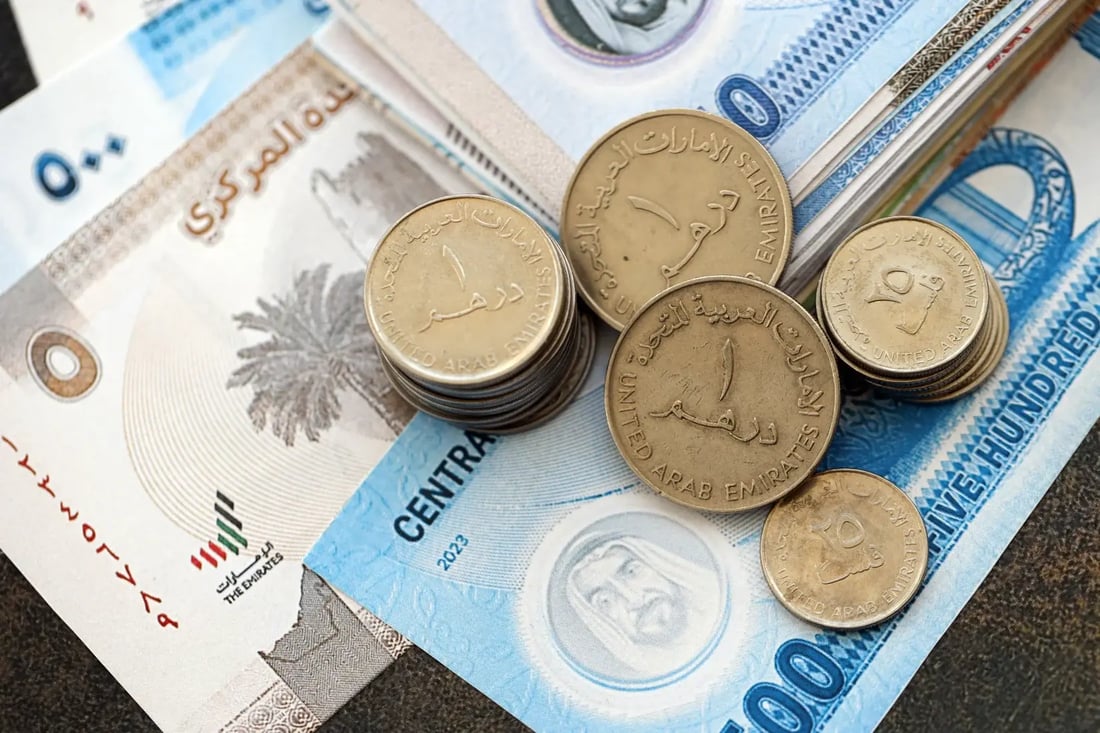
Tipping in the UAE isn’t expected the way it is in the US, but it’s more normal than Europe’s polite rounding up. Many bills already include a service charge, and where there isn’t one, around 10% is a fair guide. For crew, guides and butlers, a few notes handed over with a handshake goes a long way. Nobody wants to hand a valet a 500 dirham note and wait for change, so when you visit Crown Currency Exchange before takeoff, we’ll load you up with the right mix of denominations.

The test run lives between the landmarks
A trial isn’t about the big-ticket moments. It’s the small ones that tell you whether you could actually live across Dubai Creek for a coin or two, karak from the corner cafeteria, a haircut, a laundry run. The more local your day gets, the more cash comes into it.
If you’re testing a move, budget like a resident. Our HolidAi Planner lets you select “Live like a local”, set the trip length, and group size, so a 3-week scouting mission gets budgeted like one, not like a long weekend that got out of hand.
Where both trips end up: the souks
Everyone lands in Deira eventually. The Gold Souk glitters, the Spice Souk hits you before you see it, and haggling is expected. A price in notes is easier to settle than a card terminal mid-negotiation. Serious gold usually goes on card, but saffron, scarves and souvenirs are cash territory, and a few hundred dirham covers a very good afternoon. Our guide to shopping in the UAE has more on where to spend it.

The tax-free fine print
Is the UAE tax-free for tourists? Not quite. Tax-free belongs to residents, who pay no personal income tax on salaries. Visitors still pay at the till. Most purchases include 5% VAT, many restaurant bills add service charges and municipality fees, and hotels charge a nightly Tourism Dirham fee. Tourists can reclaim VAT on eligible shopping on the way out, so hang onto your receipts. The UAE isn’t tax-free at the till but it’s very tax efficient if you plan ahead.

Pack the cash, bring the questions
Land with dirham in your pocket and the first taxi, tip and karak are sorted instantly. Get a quote with no commission or fees, then pick up your Dubai currency at one of our 67+ stores across Australia in a single, simple visit. And if the test run ends with you deciding Australia’s not so bad after all, leftover dirham can be sold back to Australian Dollars.
Either way, you’ll know how far your money goes, and how much further you could go.