.png?width=300&height=100&name=Untitled%20design%20(6).png)


Worth the Walk: Europe's Best Hikes (And Why You'll Need Cash)
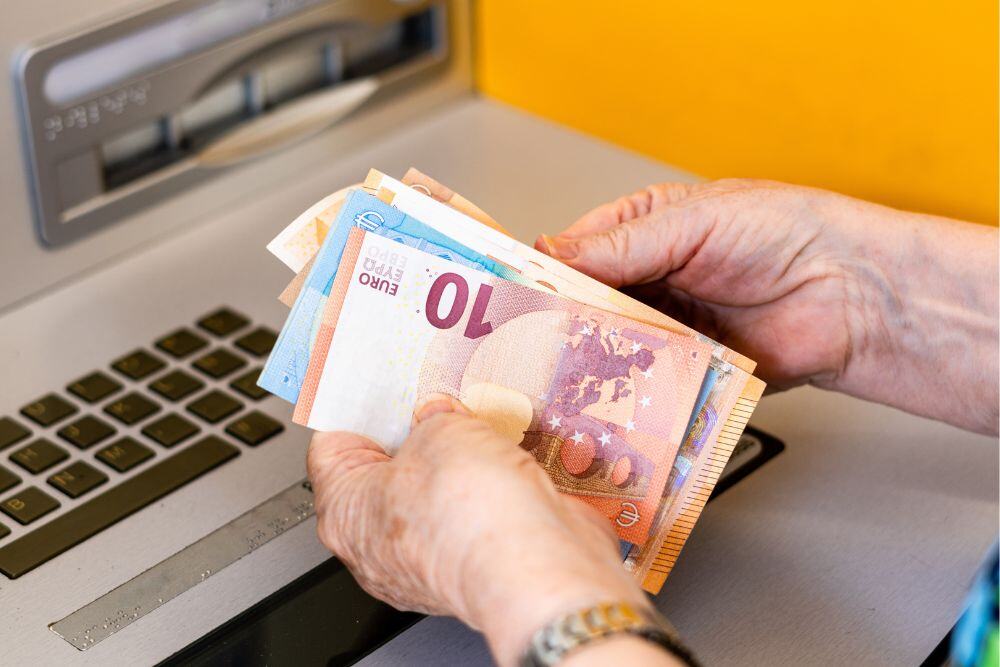
Whether it's hiking Norway's fjords, hiking in Switzerland's high passes, Mont Blanc Alps hiking across three countries or hiking in France's quieter corners, the same thing tends to happen. Down at the trailhead, your card works. Out on the trail it mostly works. Up at the family-run hut at 2,400 metres where someone's grandmother is plating polenta and the card reader gave up in a thunderstorm five years ago, you'll want cash.
The best of European hiking happens above the lift stations, and that's where it pays to have local currency. If you're already in trip-planning mode, our HolidAi Budget Planner is a good place to sanity-check how much cash you'll actually need before you fly.
Hiking Norway: Cashless Country, Trail-Side Exception
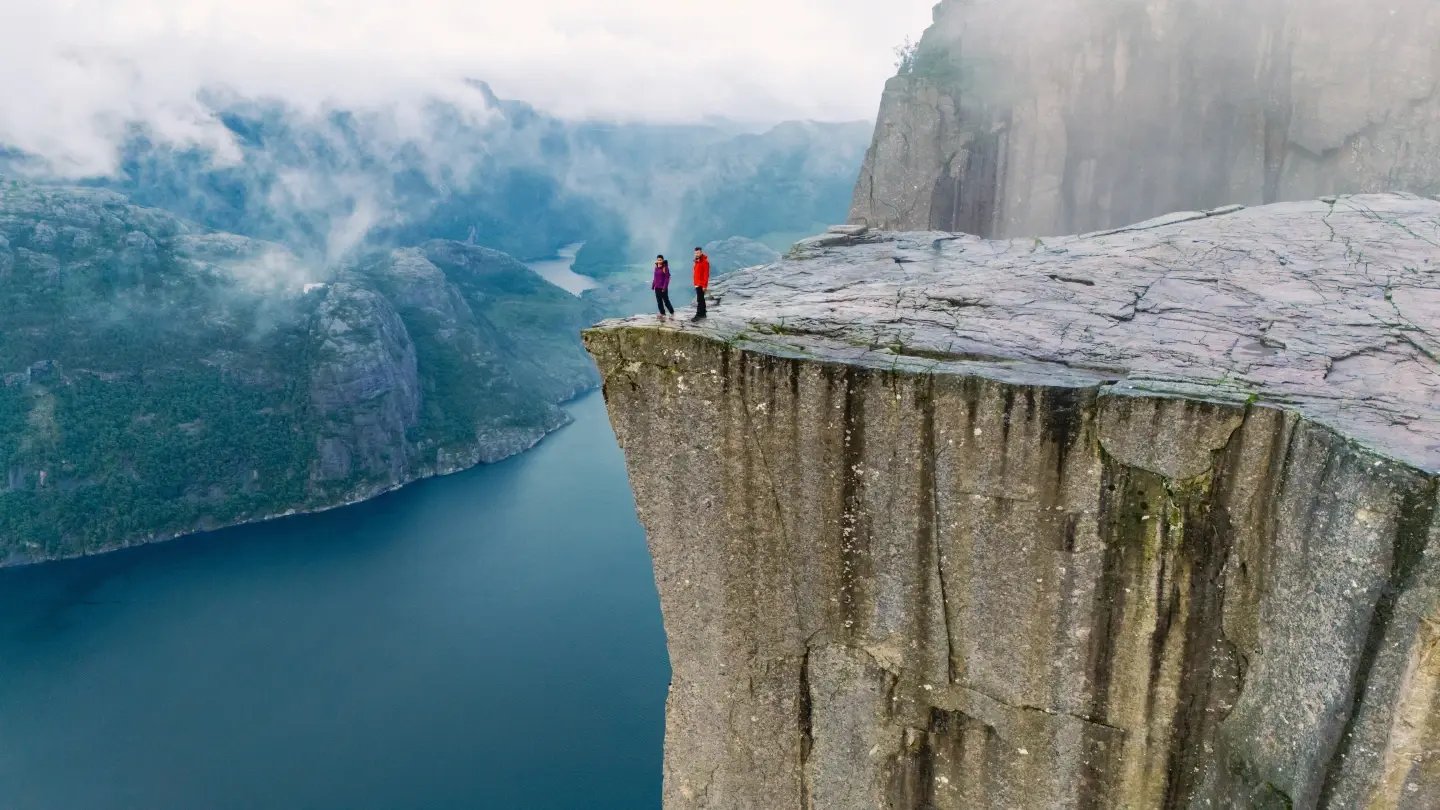
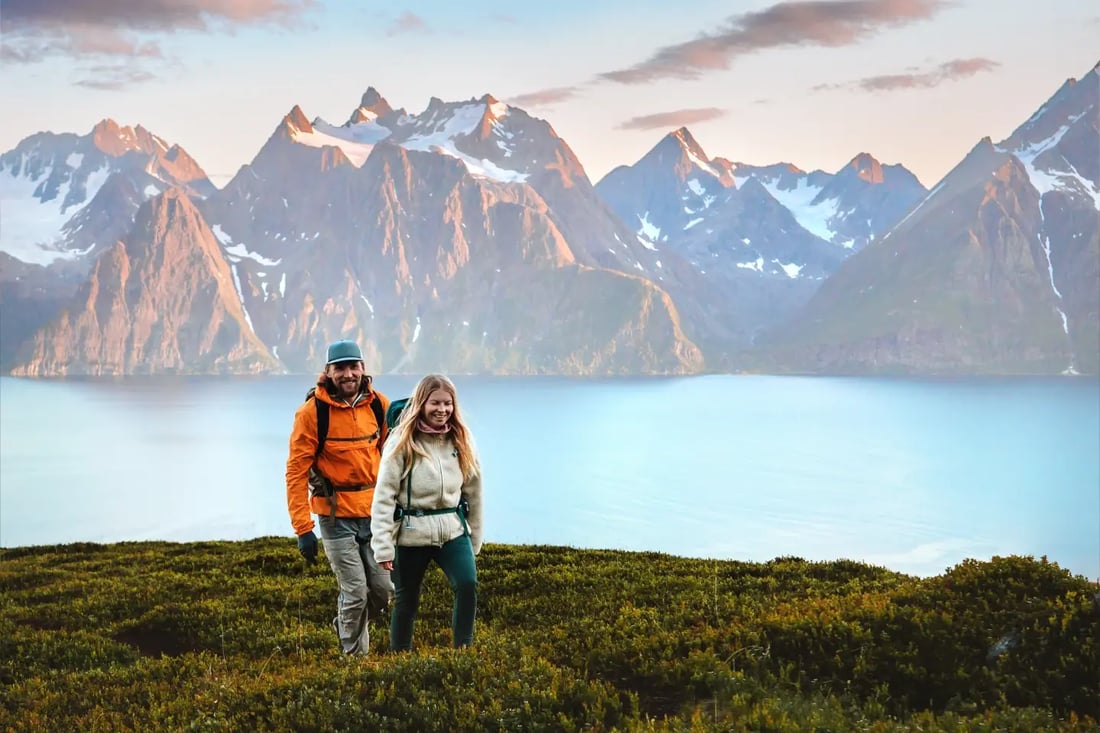
Norway is one of the most cashless countries in the world. But hiking Norway means Norwegian Krone is required. Cards work almost everywhere, but when you're in fjord country, "almost" is the word that matters. Out at remote trailheads and the mountain cabins run by the DNT (the Norwegian Trekking Association, who maintain most of the country's huts and marked trails), a reserve of Krone is the difference between a smooth start and a long wait for someone with a key.
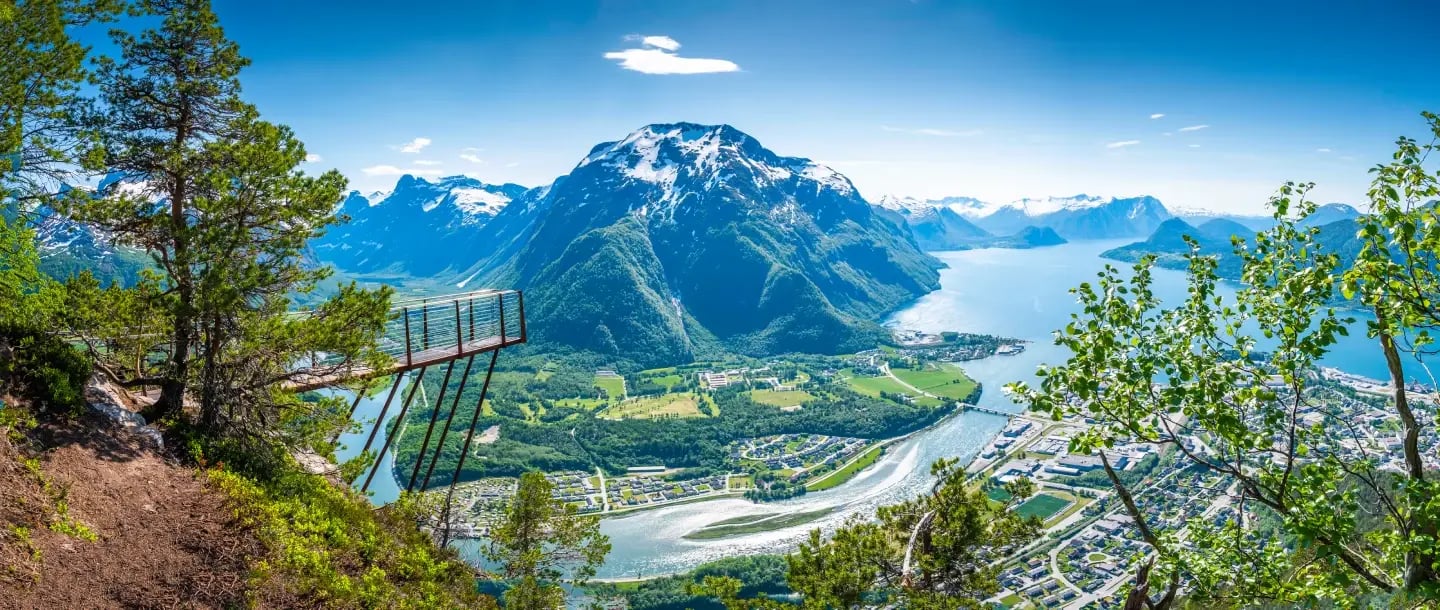
For somewhere less Instagrammed, Rampestreken near Åndalsnes is a stairway of 1,200 stone steps built by Nepalese Sherpas. Most travellers walk past it on the way somewhere else.
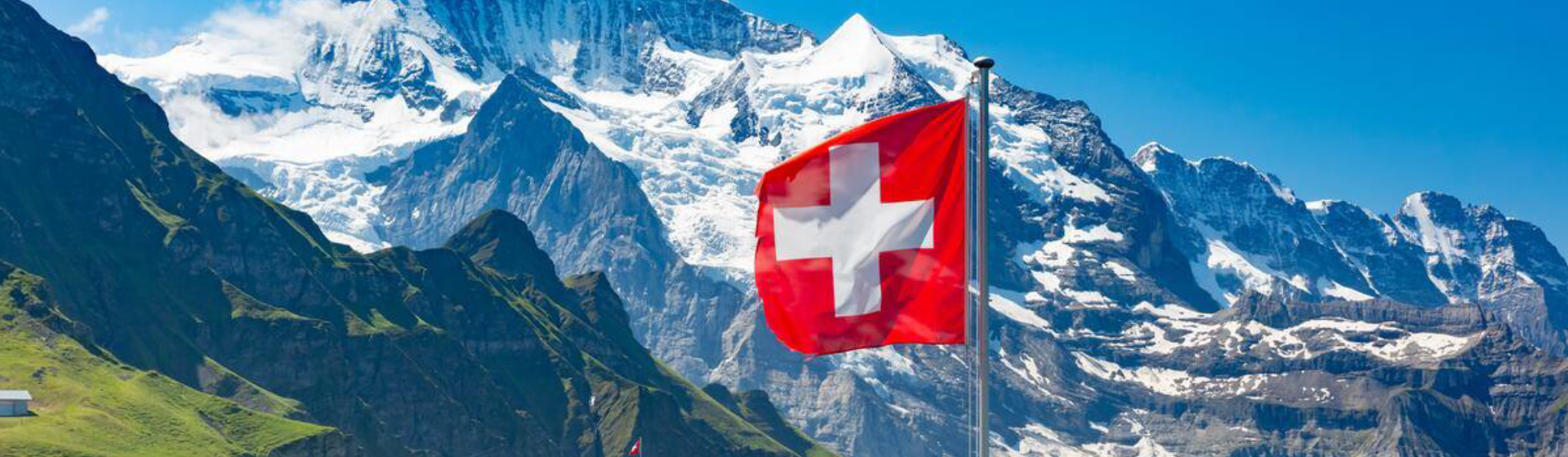
Hiking in Switzerland: Where the Huts Set the Rules
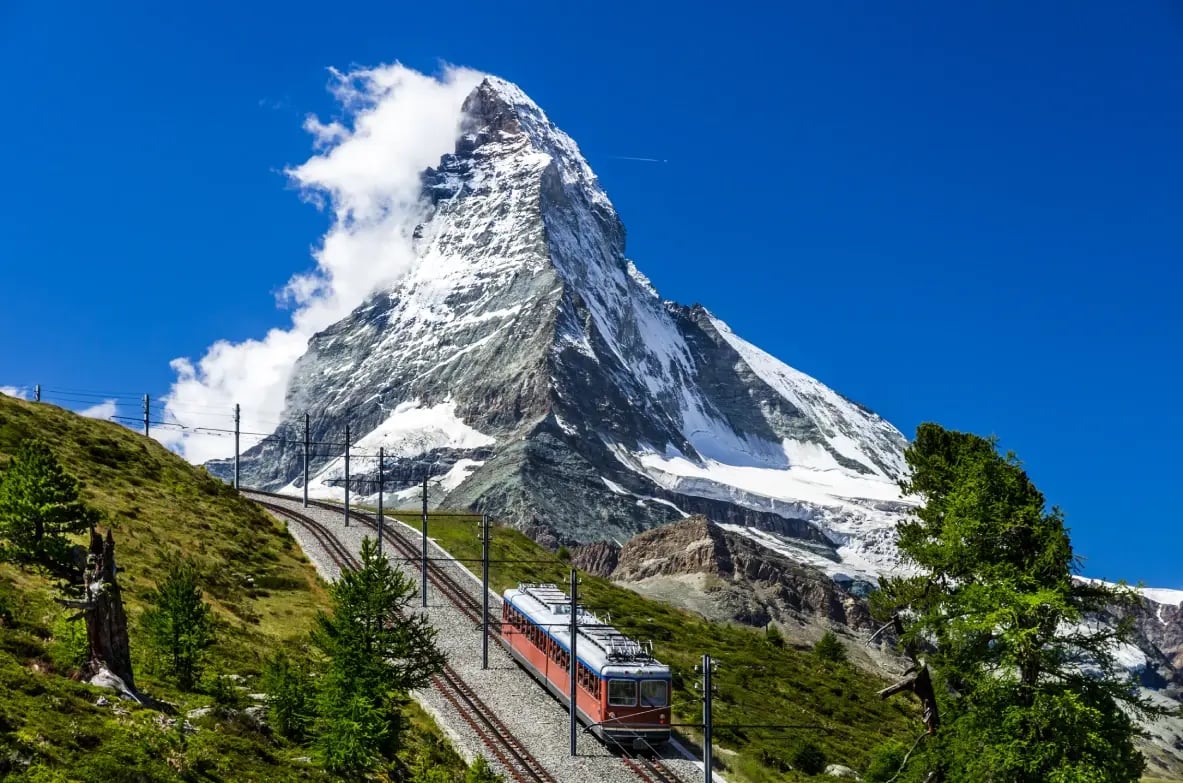
Most trails in Switzerland involve time in Swiss Alpine Club huts, and the huts have a way of doing things. Many are still cash-preferred or cash-only, especially the older ones. A bed with dinner and breakfast at altitude sits around 80 to 100 Francs, settled in cash when you check out.
This is where our denomination advice comes in handy. The Crown Currency Exchange team will talk you through the right mix of small notes and coins for the kind of trip you're actually doing, so the only thing you're sorting on the mountain is getting that perfect panoramic shot.
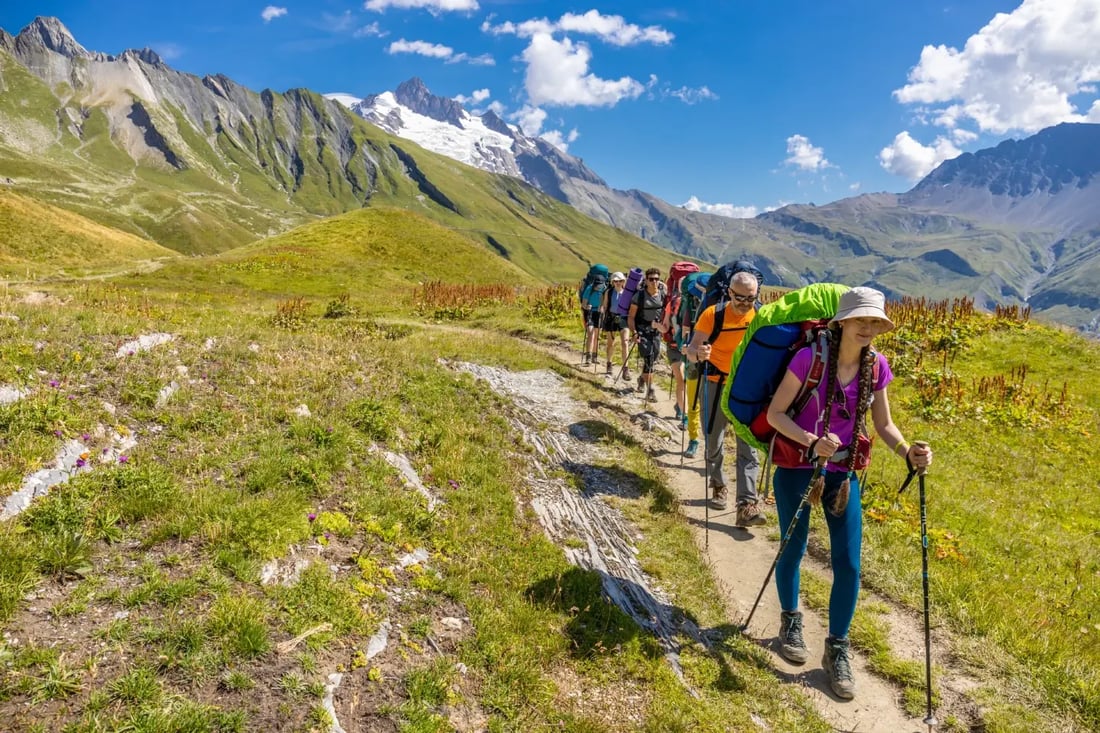
Mont Blanc Alps Hiking: One Trip, Two Currencies
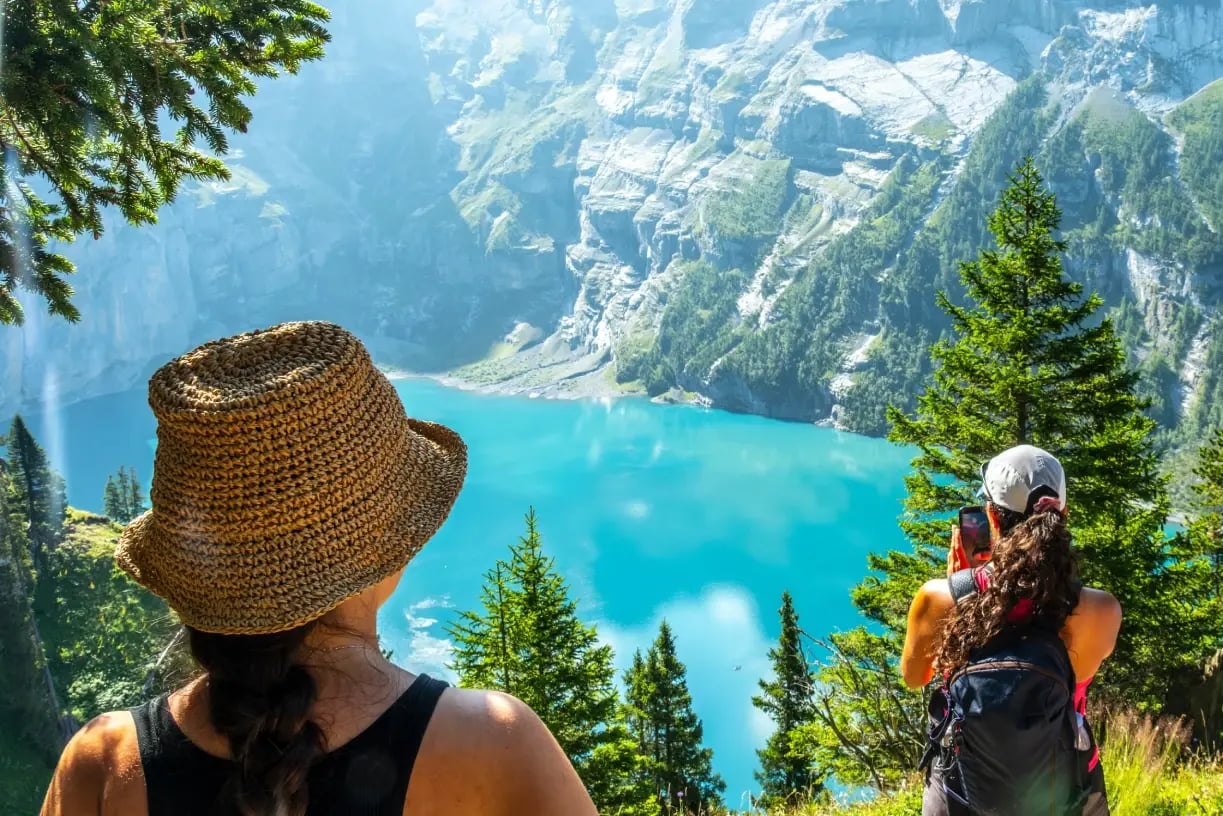
The Tour du Mont Blanc is a quietly extraordinary thing. Eleven days walking hut to hut across France, Italy and Switzerland, with the same mountain over your shoulder the whole way. What catches most people miss is the currency. Euros and Swiss Francs in the same week, settling cheese vendors, breakfast extras and post-hike celebratory drinks that all want cash. Crown Currency Exchange stocks over 60 different currencies, the largest range in Australia, so all your needs can be sorted in one simple visit.
Dolomite Rifugios: The Italian Bonus
Might we suggest a short detour into the Dolomites? Mont Blanc gets most of the attention, but this part of the Alps is too good to leave out. The rifugios scattered across Tre Cime and Alpe di Siusi serve some of the best food you'll eat on the trip — speck, canederli, apple strudel that surprises you for being more Austrian than Italian. That bit of cultural geography isn't an accident.
The Dolomites are the same hills that, a border over in Austria, are very much alive with the sound of music. South Tyrol was Austrian until 1919, which is why the strudel still tastes like it belongs there. Many of the rifugios prefer cash, and a few extra Euros for tipping in Italy never hurts either.
Hiking in France: Cheese, Cash and Coastal Coves
There's a whole world of trails that stretches well beyond the Alps. Hiking in France can mean the Vanoise or the Écrins national parks, where alpine refuges run on much the same cash rules as their Swiss and Italian neighbours. It can mean the Pyrenees, where shepherds sell tomme cheese straight from the farm. Or the Calanques near Marseille, where small boat operators ferry hikers between swimming coves. The further off the beaten track, the more cash matters plus it’s a good idea to have a few small notes set aside for tipping in France.
The easy part is sorting it before you go. Crown Currency Exchange is Australian-owned with 65 stores nationwide, and over twenty years of helping travellers like you pack a wallet that works on the trail. Call the team for a quote, or drop in and let them walk you through it.
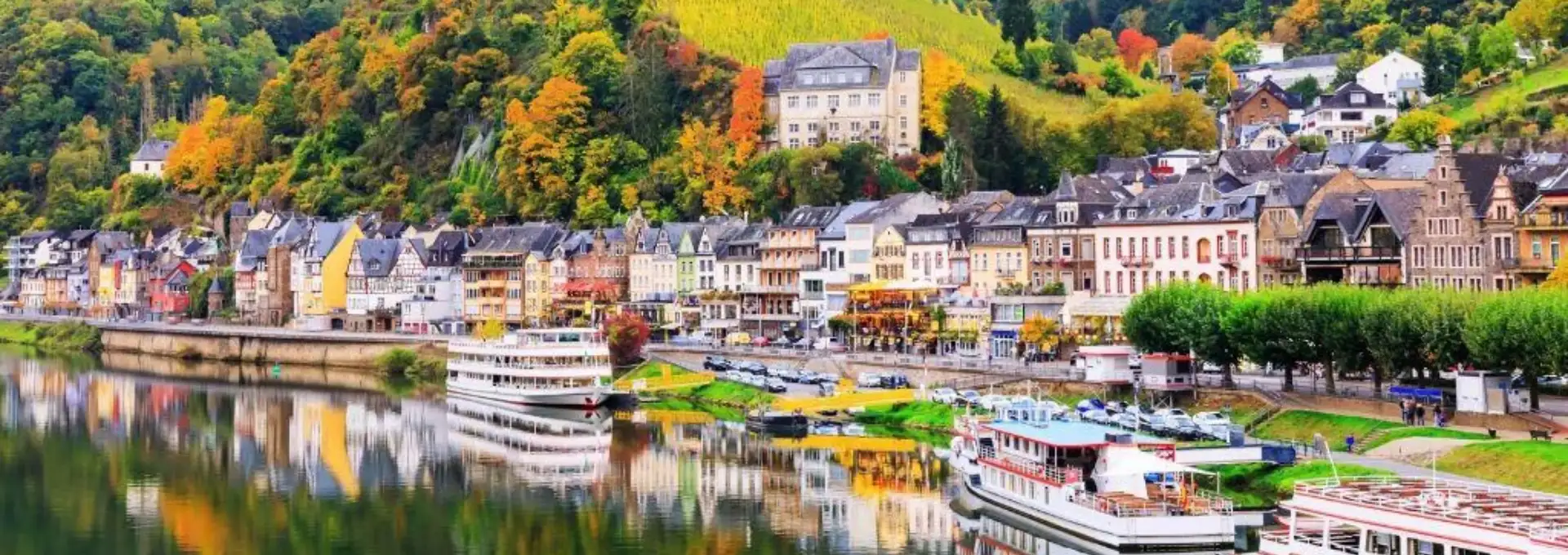
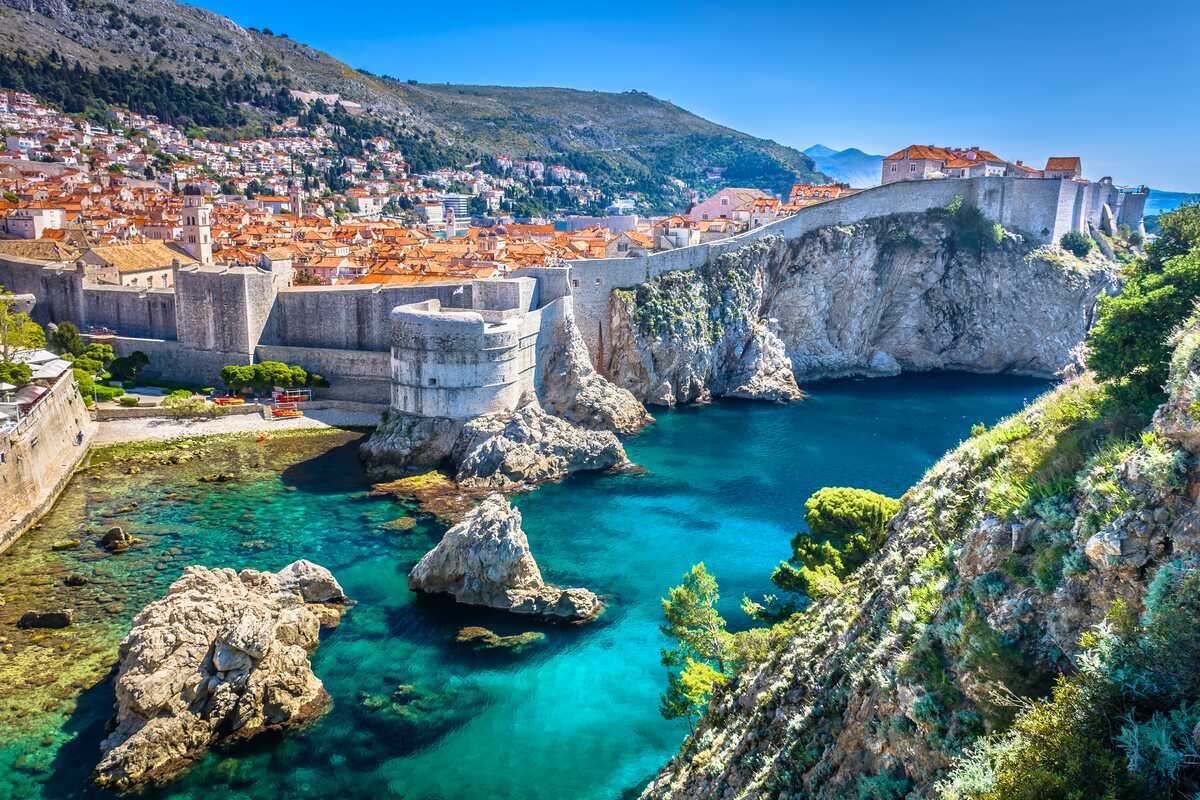
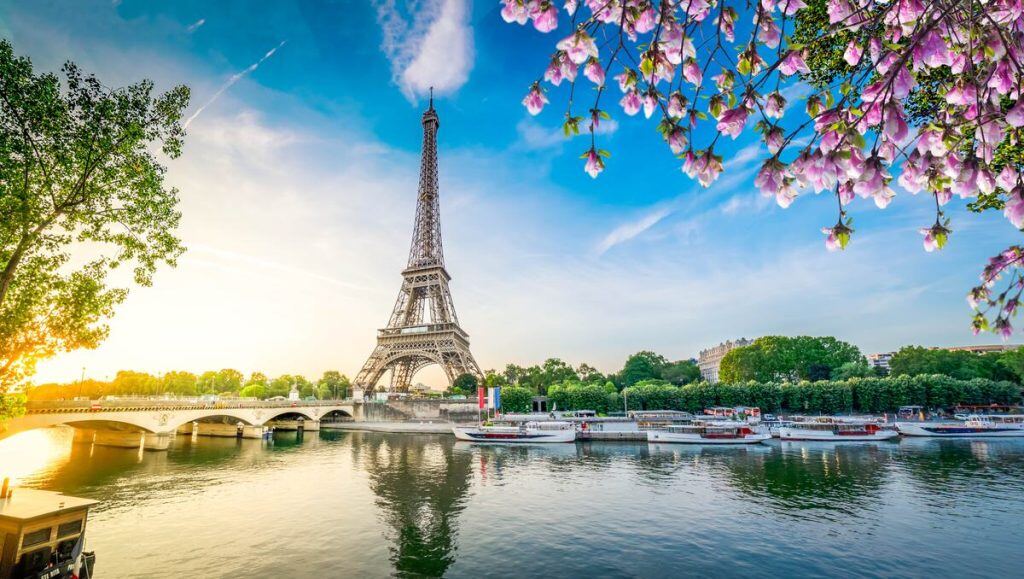
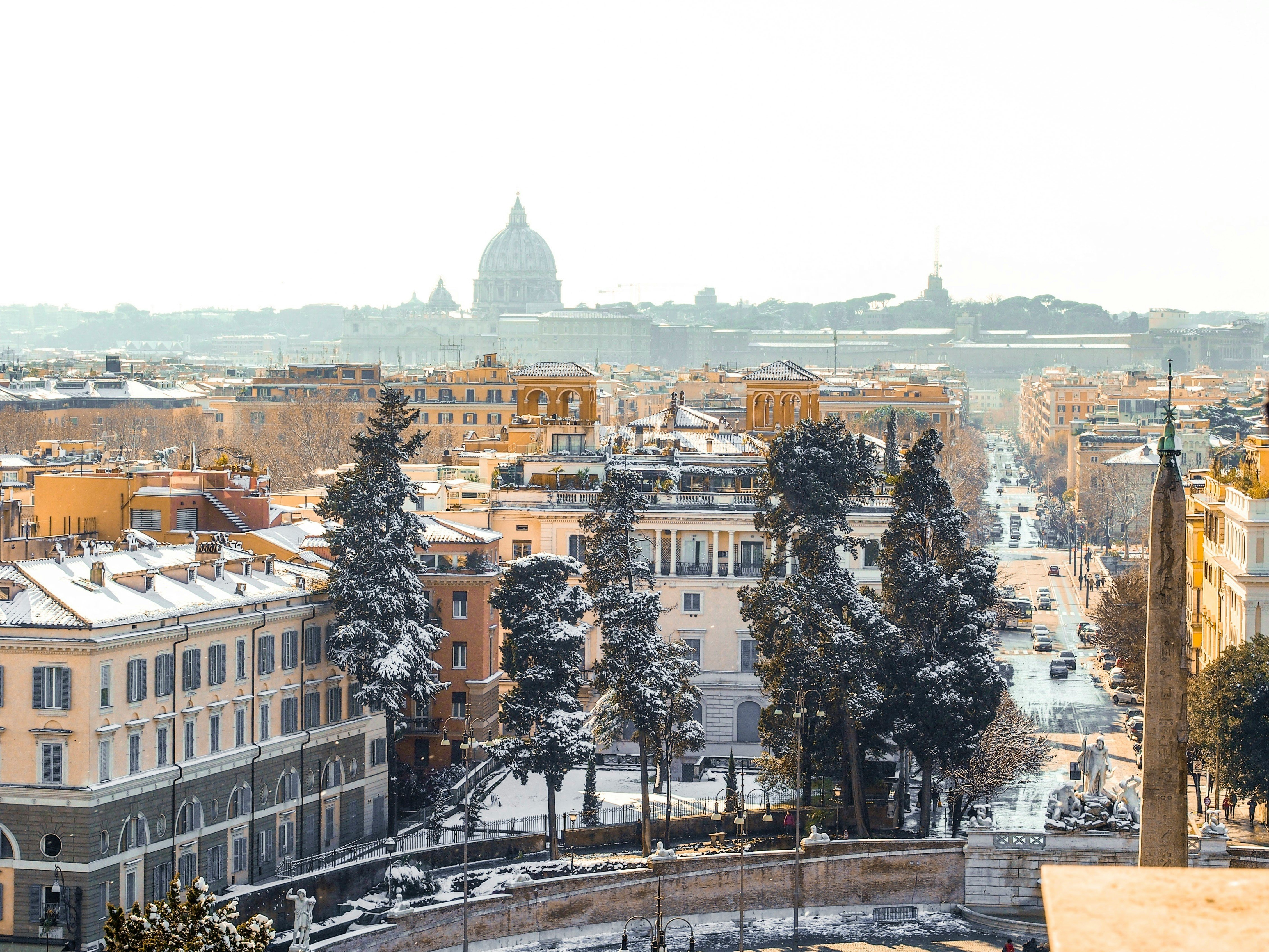
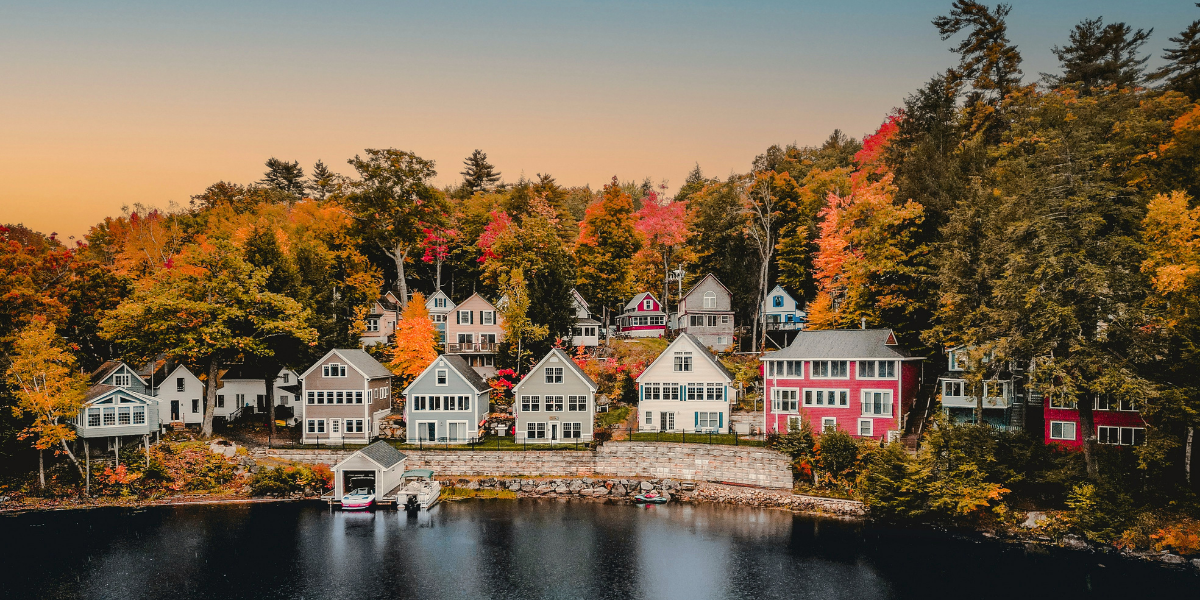
We don't know about you, but the above images alone have us looking at flights right now. Something about hiking Norway's fjord edges or a Dolomite ridge in summer that's leaving us wanting to put the annual leave in, lace up the boots, and go further.