.png?width=300&height=100&name=Untitled%20design%20(6).png)


Italy in winter has its own rhythm. The pace slows. The crowds thin. Meals stretch a little longer. Cities feel lived in rather than staged for visitors.
Now layer in the Milano Cortina Winter Olympics, followed closely by the Paralympic Games, and that quieter season gains a rare, once-in-a-generation buzz. Northern Italy becomes a moving stage, with events unfolding across cities, valleys and alpine towns all at once.
For Australians, it’s an extraordinary window: Italy at its most atmospheric, without the heat or intensity of peak summer travel. And while flights, accommodation and tickets may already be locked in, there’s still one part of the trip that quietly shapes how smoothly everything else runs; understanding Italy currency and knowing how much euro per day realistically works as you move between cities, alpine towns and event venues.
Winter Italy isn’t one destination, and it doesn’t pay one way
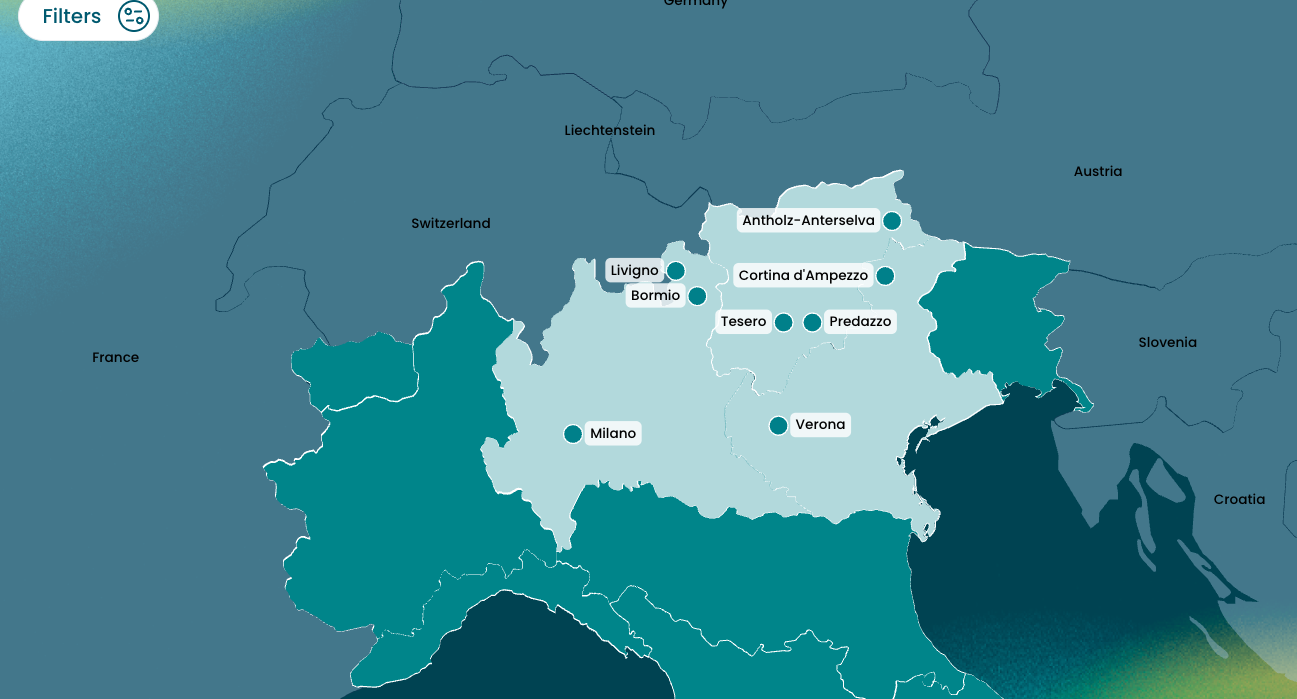
Milano Cortina 2026 isn’t centred in a single host city. Events stretch across Milan, Verona, Cortina d’Ampezzo, Livigno, Bormio and surrounding alpine regions. Each place has its own pace, its own infrastructure and its own relationship with money.
Major cities lean heavily on cards. Alpine and resort towns often don’t.
That’s where travellers tend to notice the difference. Short taxi rides between venues. Family-run mountain restaurants. Après-ski bars. Lift towns where connectivity isn’t always guaranteed. These everyday moments are where cash still quietly keeps things moving.
Heading to more than one region? Visiting one of Crown Currency Exchange’s 65+ store locations across Australia makes it easier to plan a cash mix that actually matches your itinerary.

What changes when the Olympics arrive?
Large global events change travel conditions quickly. Demand spikes, infrastructure works harder which means small frictions become way more noticeable.
ATMs in resort towns are used more frequently and can be unreliable during peak periods. Temporary exchange services appear where tourists gather — prioritising convenience over value. Cards still work, but foreign transaction fees and dynamic currency conversion quietly add up over a multi-destination stay.
None of this is dramatic on its own. But combined, it’s often what turns a well-planned trip into one that feels reactive rather than relaxed.
Buying your Euros before you go, especially with no fees or commissions, removes a layer of uncertainty once demand is at its peak.
Italy currency basics (and why they matter more in winter)
If you’re brushing up before you go, here’s the simple answer to a common question: What is Italian currency?
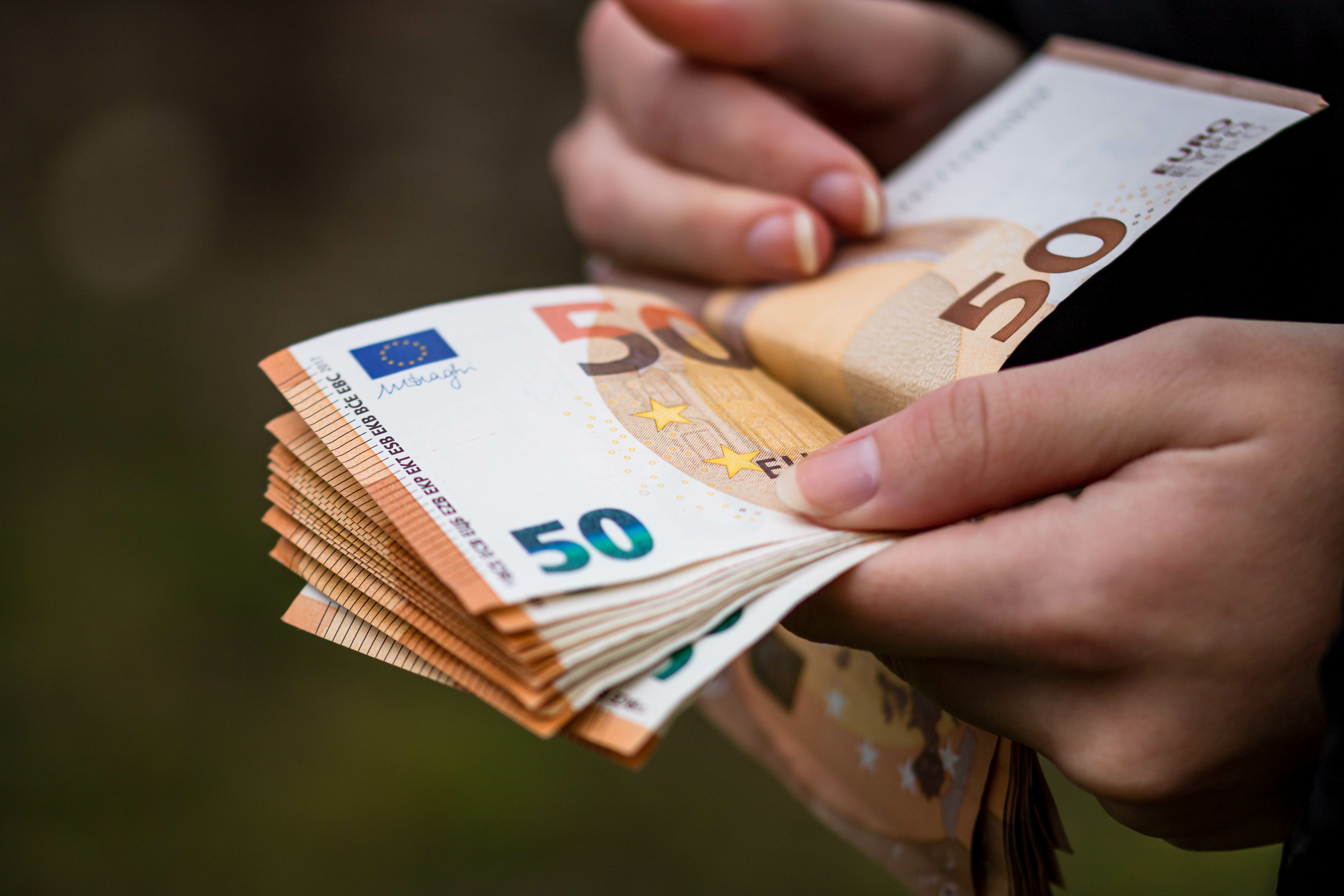
Well, Italy uses the Euro (EUR) — the shared currency across much of Europe. While that’s familiar to many travellers, how it’s used day-to-day varies significantly by region.
In winter, especially in alpine areas, cash plays a more practical role. Smaller venues move quickly. Tourists arrive in waves around events. Payments that feel seamless in big cities can become slower or more complicated elsewhere.
Understanding Italy currency isn’t just about knowing the name of the note, it’s about knowing where and when cash is genuinely useful.

What Your Euros Actually Need to Cover
So, how much Euro per day in Italy should you plan for? There’s no single answer, but most travellers want a realistic guide.
As a general rule, many Australians plan a daily cash buffer to cover things like taxis, casual meals, small purchases and incidentals — while using cards for accommodation and larger expenses.
That’s why the question matters less as a fixed number, and more as a planning exercise. The right amount depends on:
- How many regions you’re visiting
- Whether you’re spending time in alpine towns
- How often you expect to use taxis or local transport
- The length of your stay between cities
Our HolidAi Budget Planner uses real travel data, combined with your personal spending inclinations based on your travel style, to help you make informed choices. It’s a super simple way to sense-check your Euro needs before you leave.

Why organising Euros before you go still makes sense
Even for travellers who’ve already booked everything, currency remains one of the last details you can still optimise.
Having Euros organised before departure means fewer decisions on the ground — especially when you’re navigating unfamiliar towns, tight schedules, and winter conditions. It’s not about carrying excessive cash. It’s about having the right amount, in sensible denominations, ready when you need it.
It’s also about simplifying travel — especially when you’re not moving solo. Whether it’s a calm couple, a chaotic family, or a group with wildly different spending habits, having cash sorted upfront avoids the crazy choreography of splitting bills, waiting for someone to track down an ATM, or doing a headcount every time it’s time to move on. When there’s a shared buffer ready to go, the day runs more smoothly and the attention stays where it should. After all, it’s far more enjoyable to watch the snow fall outside a café window than to be zigzagging through a ski town in search of an ATM with eye-watering transaction fees.
Why Choose Us for Your Italy Currency Exchange?
Crown Currency Exchange is 100% Australian owned and operated, with a long history of helping travellers prepare properly, even if that’s a last minute exchange (we totally get it).
Visiting your local store allows you to build a full cash solution: realistic amounts, useful denominations, and guidance shaped by how destinations actually operate. For trips as layered as winter Italy during the Olympics, that local insight can make a noticeable difference.
Italy in winter is memorable on its own. But Italy during this moment, is something else entirely. So, let’s get you sorted in a single, simple visit and make your money Go Further.