.png?width=300&height=100&name=Untitled%20design%20(6).png)


Exchange Rates Explained
What it means for your foreign currency and how to plan with confidence.
When you start planning an overseas trip, exchange rates enter the conversation early. You see them online, hear them mentioned in the news, and notice they shift from week to week. Understanding what an exchange rate means helps you make better decisions about timing and how much foreign currency to order.
At Crown Currency Exchange, we help travellers navigate their money exchange with clarity, not confusion. The more you understand about rates, the more confident you feel securing your travel money.
In this guide, we explain how exchange rates work, why they move, and how to plan your foreign cash with clarity and confidence. When we refer to travel money in this article, we mean physical foreign currency used while overseas.
What Is An Exchange Rate?
An exchange rate shows the value of one currency compared to another. It tells you how much foreign currency you receive for each Australian dollar. For example, if the exchange rate shows 1 Australian dollar equals 0.65 US dollars, every Australian dollar buys 65 US cents.
Exchange rates appear as currency pairs. AUD to USD means Australian dollars exchanged into US dollars. The first currency is what you give. The second currency is what you receive.
When you organise your money exchange with Crown Currency, that rate determines exactly how much foreign cash you receive.
Why Do Exchange Rates Change?
Exchange rates move every day. Some changes look small. Others move quickly. These movements reflect economic strength and confidence in a currency.
Interest rate decisions
- Interest rates influence where money flows.
- When a country lifts interest rates, holding its currency becomes more attractive because returns increase.
- When rates fall, demand often eases and the currency weakens.
Inflation
- Inflation measures how fast prices rise in a country.
- High inflation reduces buying power over time. Each unit of currency buys less.
- Lower and stable inflation supports confidence and helps protect value in global money exchange markets.
Economic performance
- Currencies reflect economic health.
- Strong employment, steady growth, and consistent spending support a currency.
- Slowing growth or rising unemployment places pressure on it.
Global confidence and stability
- Currencies rely on trust.
- Stable governments, clear policies, and calm financial markets support demand.
- Uncertainty, conflict, or sudden policy shifts can reduce confidence and increase volatility across international money exchange markets.
Market Rates, Online Rates, and Foreign Cash Rates
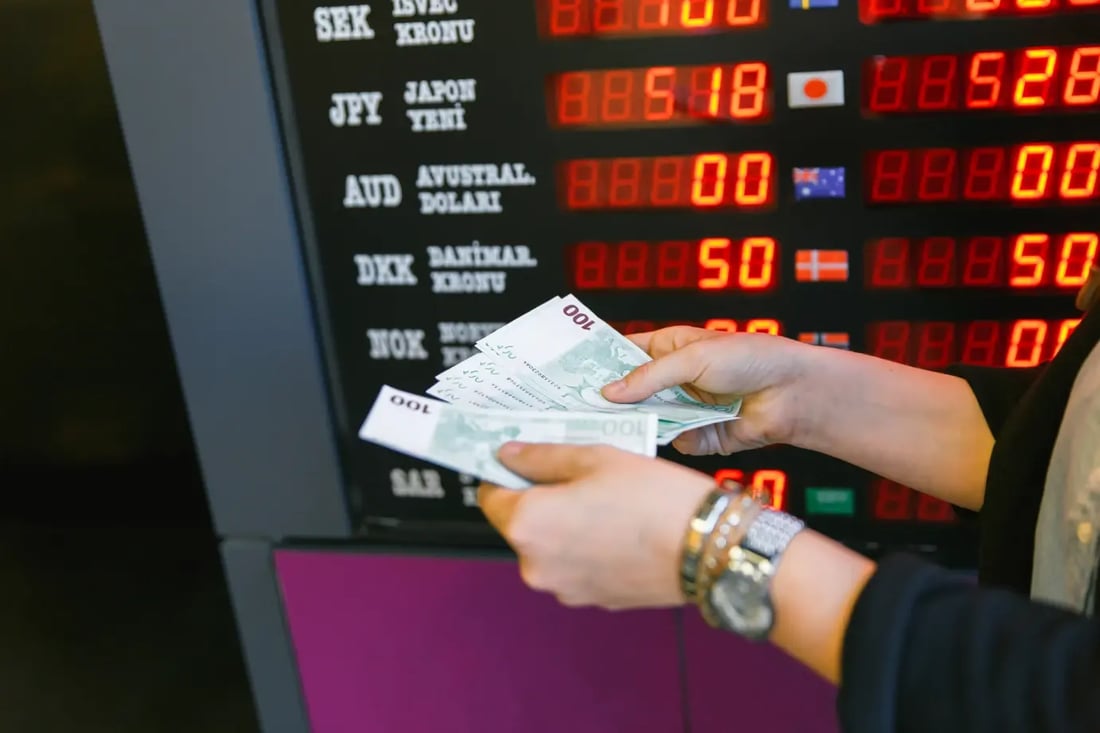
You often see exchange rates quoted online or referenced in headlines. These rates show how currencies move in global markets at a given moment. Online rates act as reference points. They assume large digital transactions and exclude physical cash handling, secure storage, note availability, and service support.
When you complete a money exchange for physical foreign currency, you receive a retail cash rate. Retail cash rates reflect current market conditions plus the practical costs of supplying currency safely and reliably.
At Crown Currency Exchange, our money exchange rates reflect real-time market conditions (with no commission or hidden fees) so you know exactly what you’re receiving. They also reflect the operational realities of securely sourcing, stocking, and supplying physical currency across Australia.
This difference explains why an online rate and a retail money exchange rate rarely match. Each serves a different purpose.
Common Exchange Rate Terms Explained
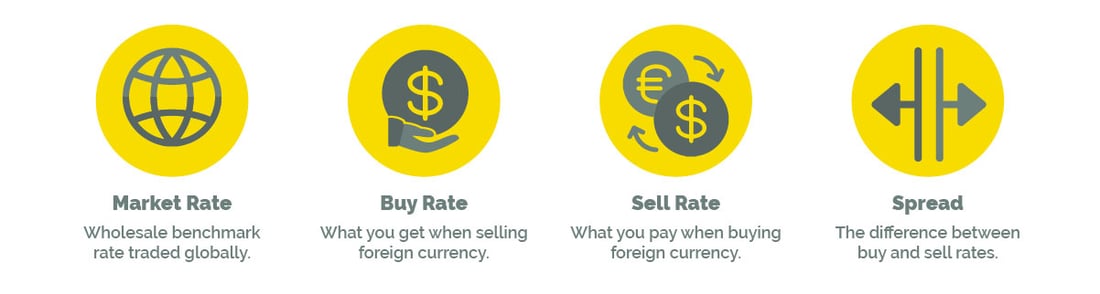
Market rate - The rate currencies trade at between large participants in global markets. It moves constantly and acts as a reference rather than a rate for exchanging physical cash.
Buy rate - The rate you receive when selling foreign currency back into Australian dollars.
Sell rate - The rate you pay when buying foreign currency.
Spread - The difference between the buy rate and the sell rate.
Why Timing Matters For Travellers
Even small shifts in exchange rates affect how far your money goes overseas. When the Australian dollar strengthens, your travel budget stretches further. When it weakens, the same trip costs more. Many travellers choose to plan early rather than react to market moves close to departure.

How To Plan Your Foreign Currency Properly
Many travellers focus heavily on finding the best rate. From our experience at Crown Currency Exchange, the bigger driver of value is planning your money exchange around:
- How long you are away.
- Where you are travelling.
- How you spend day to day.
A short city break with card friendly payments looks different to a longer trip where cash is still widely used. A difference of a few cents on the rate rarely changes a trip meaningfully but running out of foreign cash overseas? Scary for the wallet… You can always play it safe and over-order your currency and exchange it later when you get back home.
Because we stock Australia’s largest range of currencies, we can support both popular destinations and less common travel routes without delay. That means no last-minute scrambling or limited options.
Our consultants regularly guide travellers through a structured money exchange plan based on destination habits and travel style. With no commission or added fees, your money exchange remains straightforward and transparent.
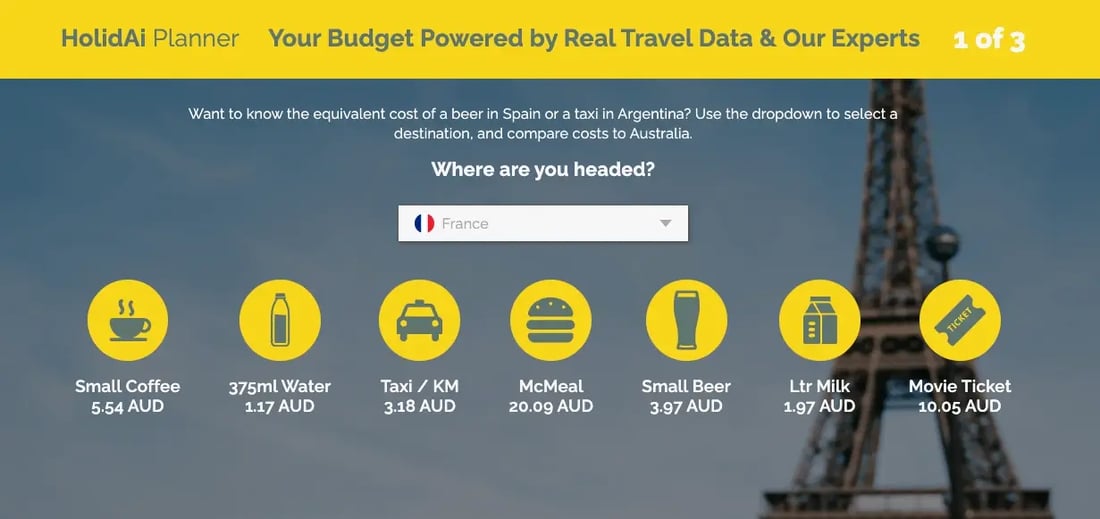
The HolidAi Planner helps you estimate how much foreign currency suits your trip before you travel. It uses real travel data and expert insight to build a practical budget based on destination, length of stay, and travel style — so you arrive with a clear plan, not guesswork.
If you’d prefer personalised support, our in-store consultants can fine tune your amounts and denominations to match how you’ll actually spend overseas. Crown Currency Exchange is proudly 100% Australian owned and operated, offering trusted, local expertise at every stage of your money exchange.

Plan With Confidence
Exchange rates influence value. Planning drives outcomes. Understanding how rates work and organising your money exchange early with Crown Currency Exchange — Australia’s largest currency range, always in stock, no commission, 65+ locations nationwide — gives you control before departure.
Build your travel budget using the HolidAi Planner, visit one of our convenient locations, and get sorted in a simple, single visit.