Portugal is known for fado music, football and tiled facades. Ask anyone who's been, though, and they'll tell you about the food first. A custard tart still warm from the oven. Sardines grilled over charcoal. A bowl of soup that costs less than a flat white at home.
You can do your own Portugal food tour without booking one. All it takes is an appetite, comfortable shoes and some euros in your pocket. Here's what to eat, where to find it and what it costs.
What food is Portugal known for?
Seafood, pork, bread, custard and wine. With the Atlantic on two sides of the country, fish turns up on almost every menu. Salted cod, or bacalhau, is close to a national obsession. Locals like to say there's a way to cook it for every day of the year, which is either a slight exaggeration or a very committed country.
What to eat in Lisbon
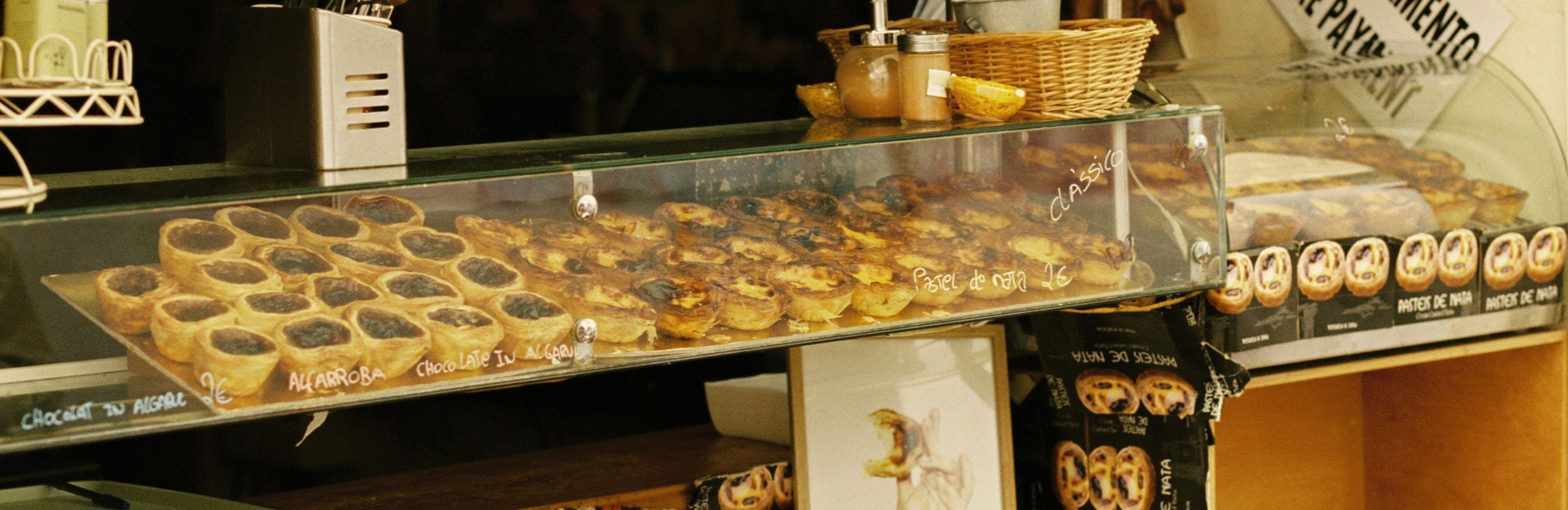
- Pastel de nata. The custard tart Portugal is famous for. Pastéis de Belém has been baking its version since 1837, and the queue out the door suggests nobody's tired of it yet. Most pastelarias charge around €1.20 to €1.50.
- Bifana. Thin pork marinated in garlic and white wine, in a soft roll. Cheap, quick and best eaten standing at a counter.
- Bacalhau à Brás. Shredded salted cod with onion, fried potato straws and egg. Not sure about bacalhau yet? Start here.
- Ginjinha. A sour cherry liqueur poured into tiny cups around Rossio, at bars barely wider than their front door.
- Grilled sardines. The season peaks in June, when the Santo António festivities fill the old neighbourhoods with charcoal smoke.
For variety under one roof, the Time Out Market at Cais do Sodré brings some of the city's best-known cooks into one food hall. It's busy and it isn't the cheapest meal in town, but it makes a good first night while you get your bearings.
What to eat in Porto
- Francesinha. Bread, layers of meat, melted cheese and a rich beer and tomato sauce, often with a fried egg on top. One is plenty.
- Port wine. It's aged across the river in Vila Nova de Gaia, where the old port lodges run tastings.
- Tripas à moda do Porto. Tripe and bean stew. The story goes that in 1415 Porto gave its best meat to the ships sailing for Ceuta and kept the tripe for itself, which is why locals are still called tripeiros.
Mercado do Bolhão reopened in 2022 after a long renovation. It's the place for cheese, cured meats and a quick lunch.
Beyond the cities
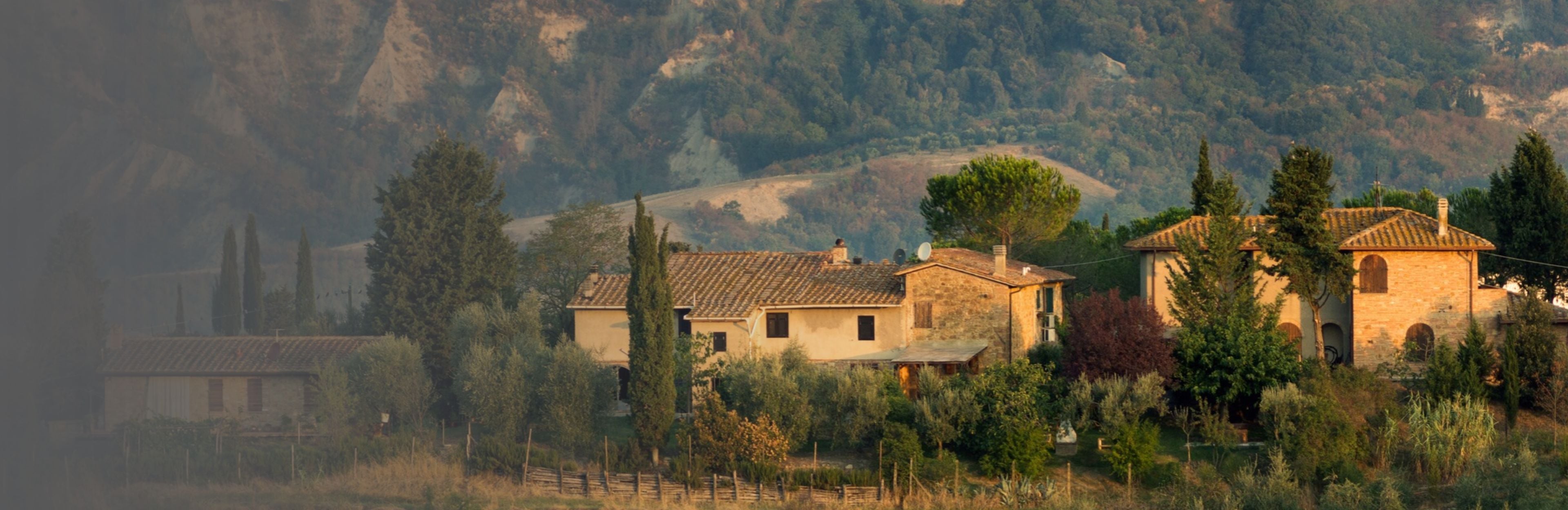
In the Algarve, order frango piri-piri (charcoal chicken with chilli) and cataplana, a seafood stew cooked in a hinged copper pan and opened at the table. Inland, the Alentejo is pork and bread country, with porco preto (black pork) and hearty bread soups. Up north, vinho verde is light, cheap and very easy to drink on a warm afternoon.
How much does a meal cost in Portugal?
A prato do dia lunch, usually soup or bread, a main, a drink and a coffee, costs about €10 to €15. A sit-down dinner is usually €18 to €35 per person. A bica (espresso) is around €1, and a pastel de nata €1.20 to €1.50. Lisbon and the Algarve sit at the top of those ranges, and smaller towns at the bottom.
Lunch is the best value in the country. The prato do dia often costs half what the same dish does at dinner, so make lunch the main event.
Is Portugal expensive for food lovers?
Not by Western European standards. Prices have climbed with tourism, especially in Lisbon and Porto, but a good meal still costs noticeably less than in Paris or London. For the bigger question, is Portugal expensive once you add accommodation and transport, our spending money guide breaks it down.
The couvert and tipping
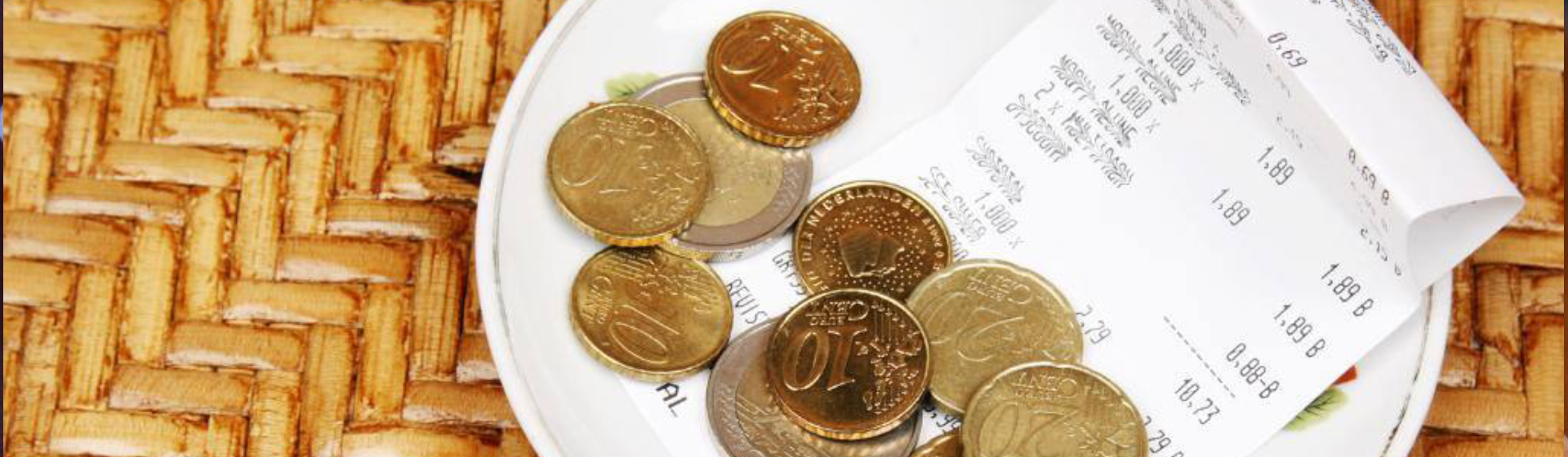
Sit down at most restaurants and bread, olives and butter arrive before you've ordered anything. That's the couvert, and it isn't free. You only pay for what you eat, usually a few euros. Don't want it? Send it back politely and it won't be charged.
Tipping isn't expected in Portugal. Rounding up the bill or leaving some coins for good service is appreciated, and in nicer restaurants 5 to 10 percent is generous rather than required.
Portuguese currency and how to pay
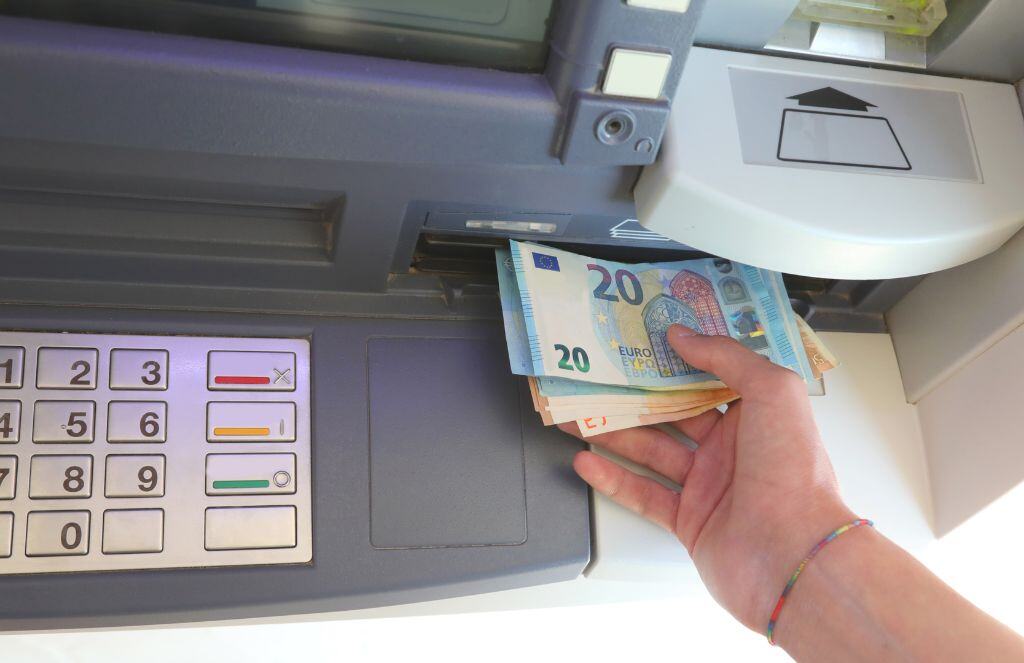
The Portuguese currency is the euro (EUR), which replaced the escudo in 2002. Cards work in most city restaurants. Tascas (small family restaurants), market stalls, pastelarias and kiosks are a different story. They often prefer cash, and some won't take a card for small amounts. Our guide to currency in Portugal covers notes, coins and where cash matters most.
Crown tip: get your Portugal money into small change early. Break a big note at a supermarket on your first day, because paying for a €1 bica with a €50 note is a reliable way to make a café owner sigh.
Buy your euros in Australia before you fly, and save room for a second pastel de nata.