

Is Portugal Expensive? We've Got the Tea (and the Receipts)
Getting the inside scoop is kind of our whole thing. We watch what the Euro buys, city to city, season to season. And this year the tea is a little unhinged: the Louvre now charges tourists more than locals just to look at some paintings, Paris quietly tripled a hotel tax nobody saw coming, and Venice is charging you just to set foot in the historic centre.
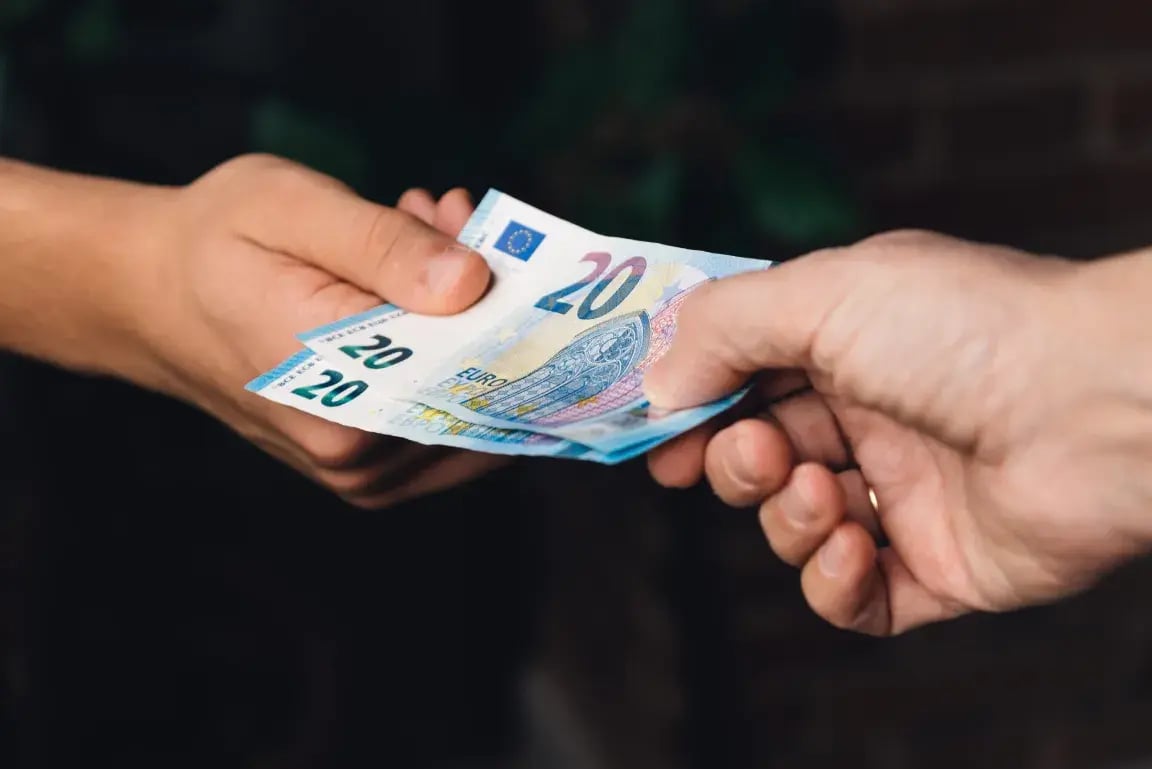
Portugal's currency is the Euro. Same as Italy and France. Same continent. None of those hidden wallet stings.
Who said Euro Summer had to mean spending a small fortune? Not us. Portugal's shaping up as one of the best value spots on the continent this summer, and we've got the receipts to prove it.
The Situation in Europe Rn
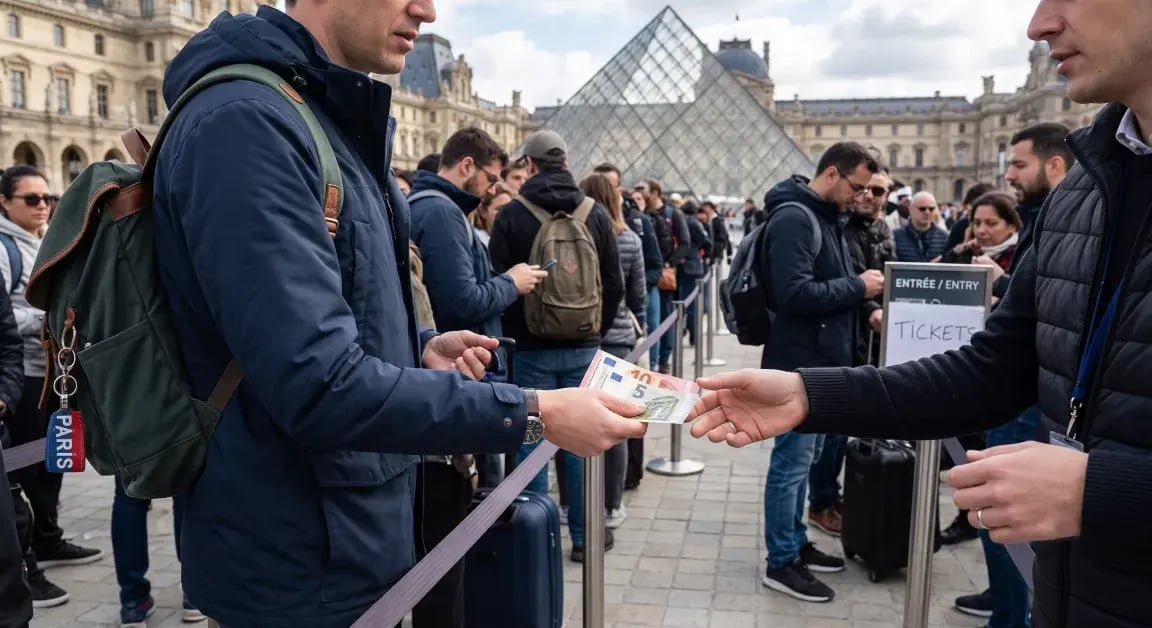
Here's what's changed this year. The Louvre now charges non-EU visitors more to get in (you can thank last year's jewellery thieves for that), Paris's hotel tax roughly tripled overnight to help fund regional transport upgrades, and Venice brought back its day-tripper fee for anyone walking through the historic centre on its busiest dates. All fair reasons, but it adds up quickly. Getting close to the arts, marvelling at cultural icons, and eating your weight in carbs, costs way more than it used to.
None of that makes Italy or France any less worth the trip. The food, the history, the whole reason people fall for both countries hasn't gone anywhere. It's just pricier to get close to it these days, and we'd hate for you to be caught off-guard.
Portugal isn't fee-free either, to be fair. Lisbon has its own small tourist tax (around €4 a night). But it's one flat number on your bill, not something that shifts depending on your passport or the day you show up. And for added bonus, kids under 13 don't pay it at all.
What the Same Money Buys
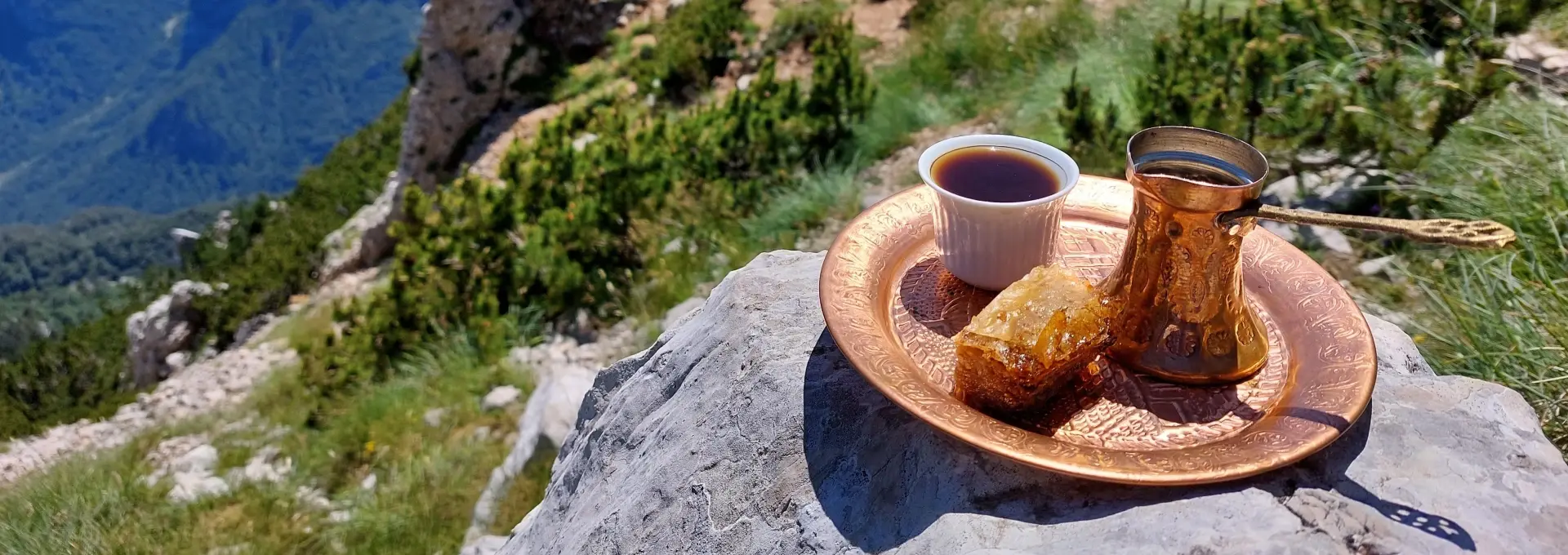
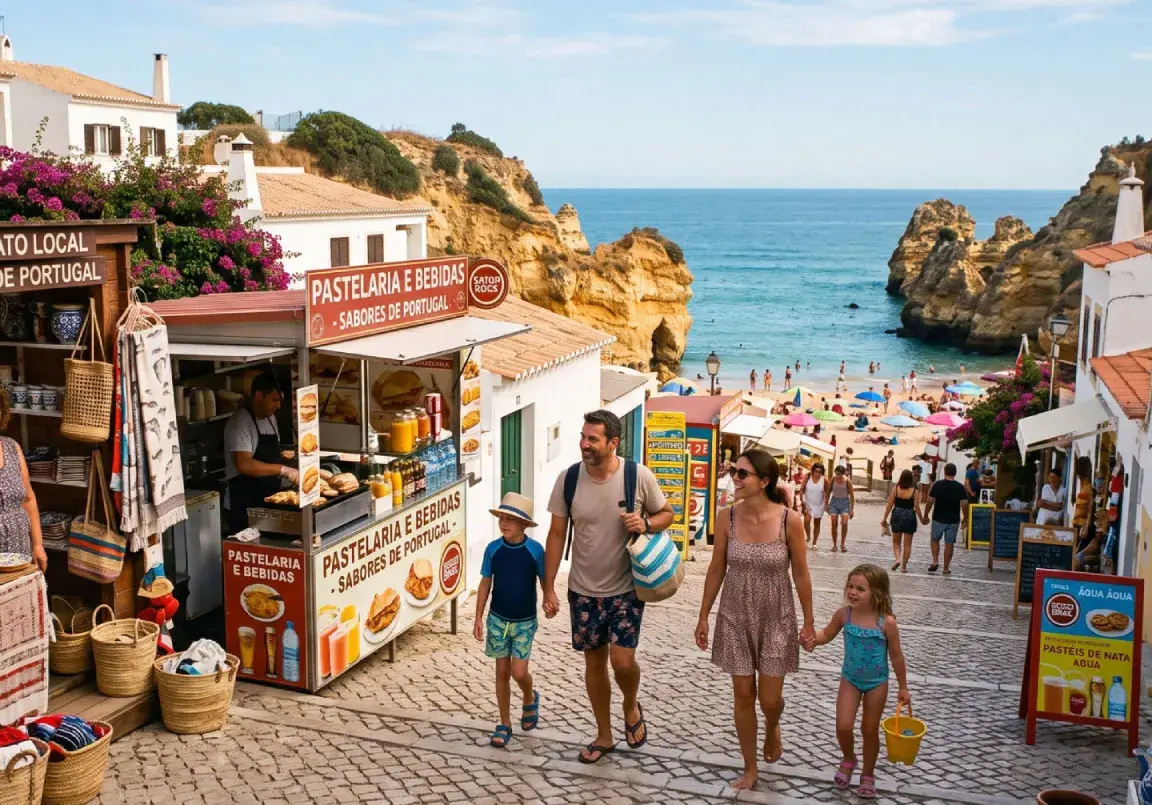
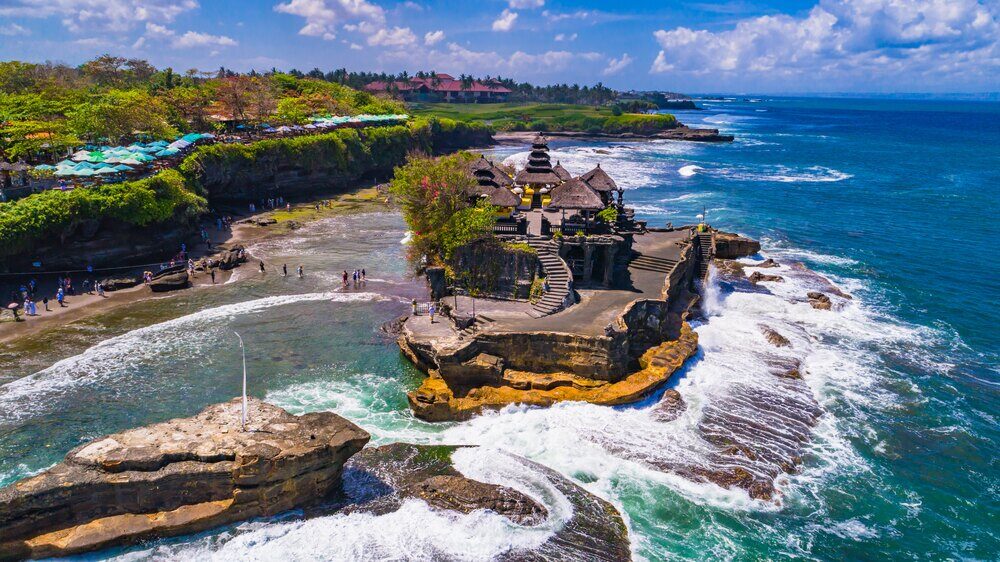
Take beaches. Portugal's Algarve coastline holds its own against anywhere in the Mediterranean with golden cliffs, hidden coves, water clear enough to see your feet, and it's free, the way a beach should be. Compare that to a sunbed and umbrella setup on the French Riviera, which can run you €40 before you've even ordered a drink.
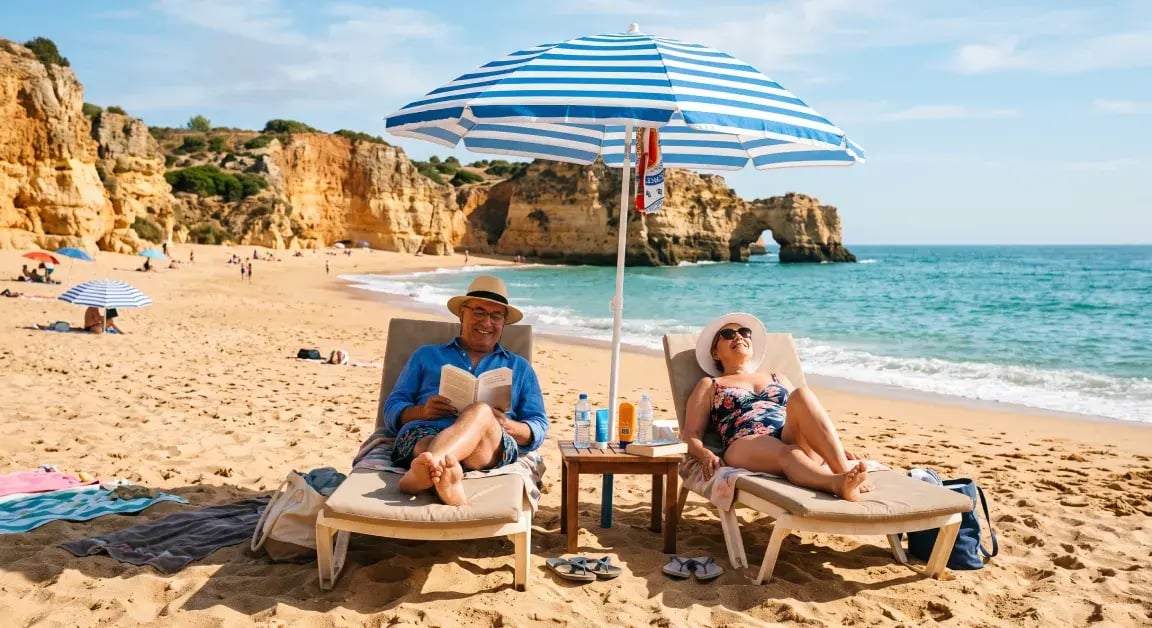
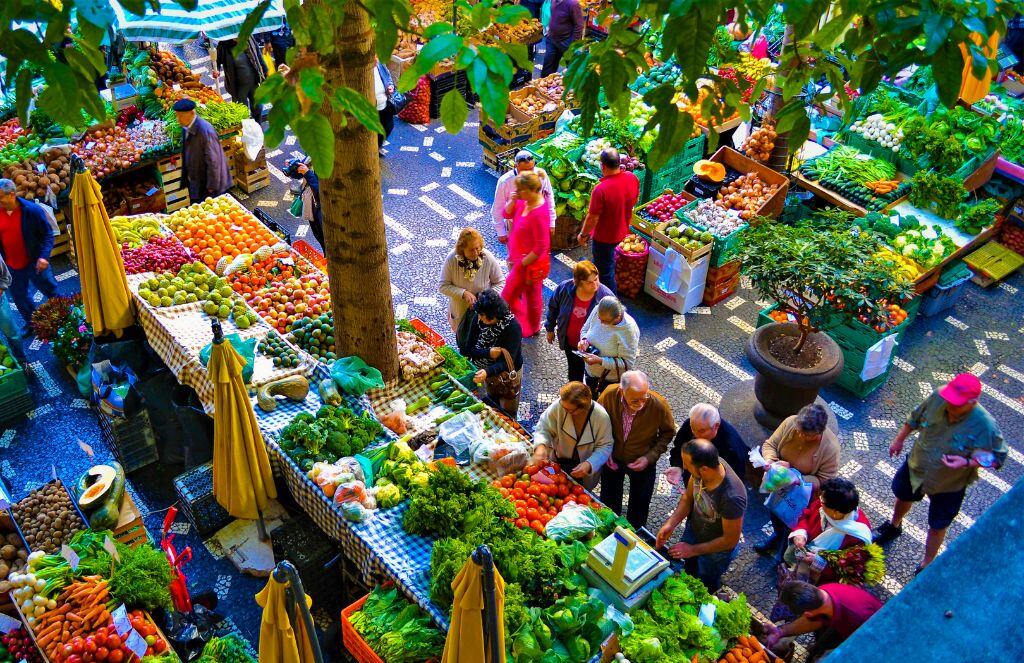
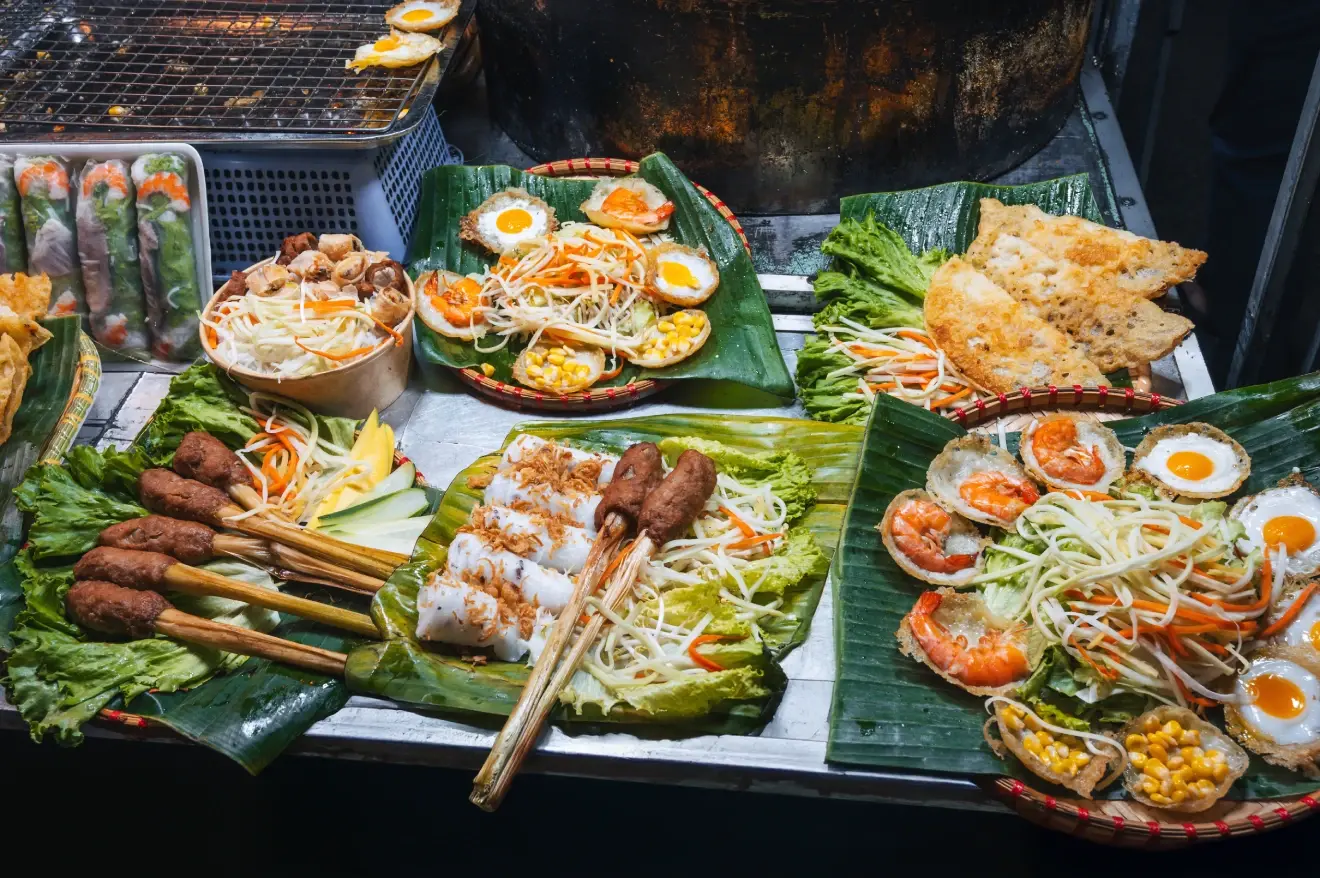
Markets tell a similar story. A wander through Lisbon's Time Out Market or a Porto Tasca gets you fresh seafood, local wine, and a proper meal for the price of a starter elsewhere. And the big-ticket sights haven't started charging tourists a different price to locals, timing your entry, or squeezing you through a paid turnstile just to admire the view.
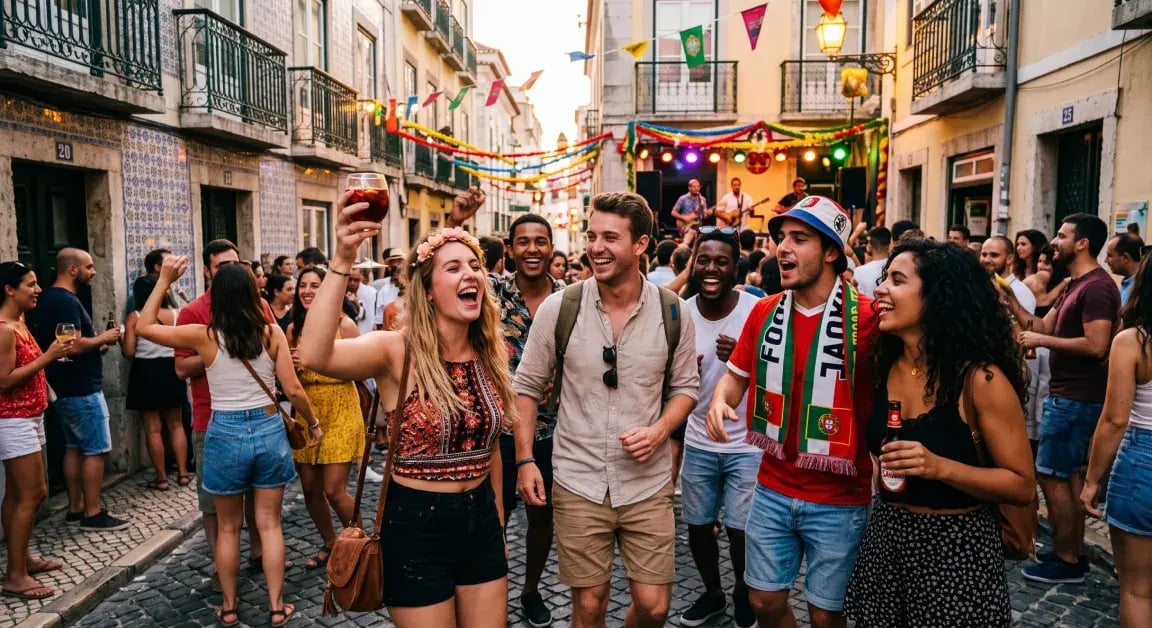
But the real case for Portugal was never just "it's cheaper for the same thing". It's the things you can't get anywhere else. The blue-and-white azulejo tiles wrapping entire building facades. Fado drifting out of a backstreet restaurant after dark. The Douro Valley's terraced vineyards, older than most European borders. Sintra's palaces looking like someone's fever dream of a fairytale. This isn't the discount version of a European summer, no way. It's simply a different, quieter, more original holiday, and one your friends will be begging you to shut up about three months after you get home.
Go Further, Literally
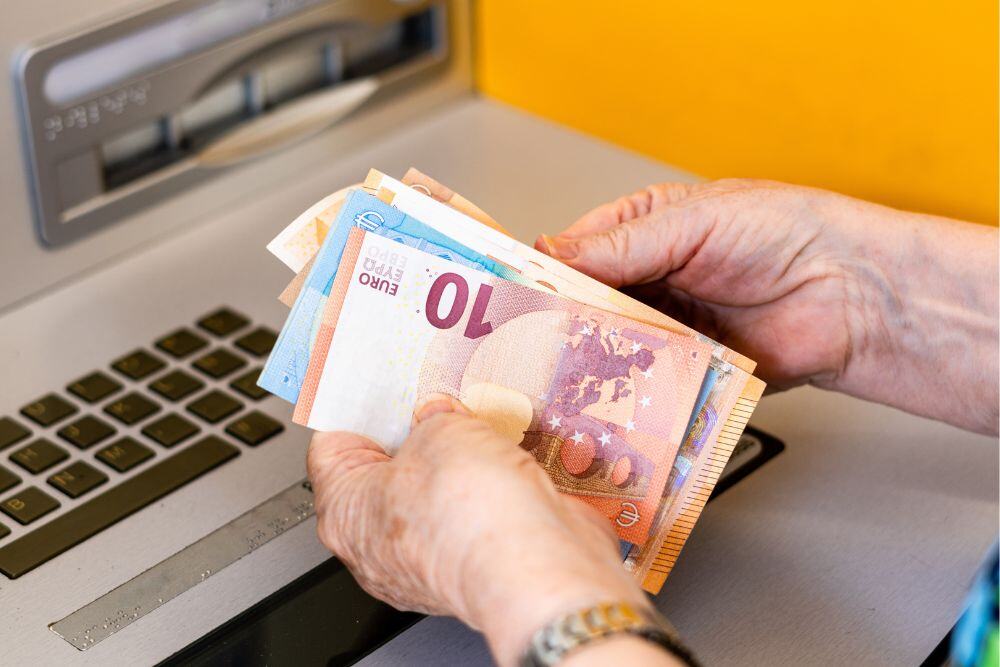
Crown Currency Exchange deals in Australia's largest range of currencies with zero commission and zero fees to exchange. The Euros you walk out with are the euros you actually spend, not the Euros minus whatever cut a kiosk or an airport counter decided to take. One visit, at any one of our 60+ stores nationwide, and you're sorted before takeoff.
Which matters, because plenty of the best bits of a Portugal trip (the market stalls, the tasca with no card machine, the spontaneous ferry ticket, the tip for the guy who found you the good miradouro) still run on cash. The trick isn't deciding whether to carry cash. It's not spending more to get it.
So, the value compounds. First because Portugal's prices haven't caught up to its neighbours. And again, because nothing's been quietly skimmed off your exchange before you've spent a single euro. That's what Go Further really means: value before you exchange, value after you land.